
Exploring the Benefits of Plastic Wood Look Cladding for Modern Industrial Applications
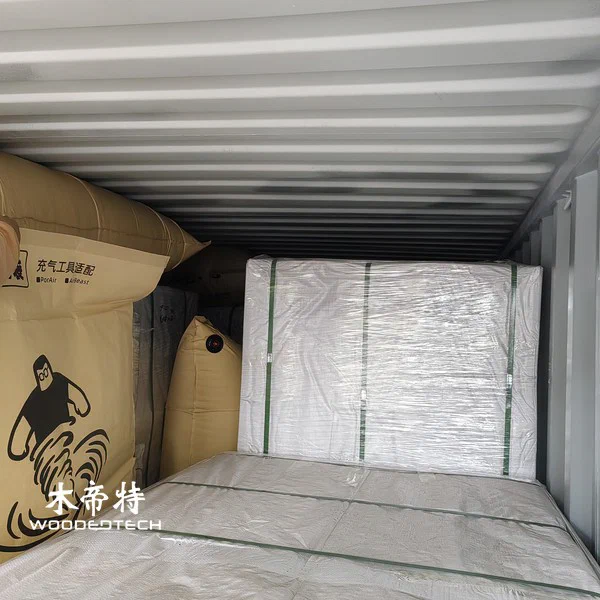
Architects and landscape designers increasingly turn to wood plastic composite (WPC) materials for creating durable and low-maintenance outdoor environments. WPC products such as plastic wood look cladding offer a versatile, eco-friendly alternative to traditional materials, combining aesthetic appeal with the resilience needed for modern industrial applications.
Advantages of WPC in Outdoor Design
WPC materials offer numerous benefits that are particularly advantageous in outdoor settings. First, they are resistant to moisture, UV rays, and pests, making them ideal for environments exposed to varying weather conditions. This durability translates to a longer lifespan compared to natural wood, which can warp and rot over time. Additionally, WPC products require minimal maintenance, often needing only occasional cleaning to maintain their appearance.
Another significant advantage is the aesthetic flexibility that WPC provides. With options available in various colors and textures, designers can replicate the look of natural wood without the associated downsides. This versatility allows for seamless integration into various architectural styles and landscaping designs.
Project Considerations
When incorporating WPC materials into a project, several considerations should be taken into account. The intended use of the space will influence material selection; for instance, high-traffic areas may benefit from slip-resistant WPC decking options. Designers must also evaluate the environmental impact of their choices, opting for products made from recycled materials where possible.
Furthermore, the specific climate of the project location plays a crucial role. In areas with high humidity or significant rainfall, selecting fully capped or co-extruded WPC products can provide additional protection against moisture infiltration. Architects should also consider the installation requirements and whether professional assistance is needed to ensure optimal results.
Material Selection Advice
Choosing the right WPC product involves assessing various factors, including aesthetics, performance, and budget. Architects should prioritize materials that offer UV resistance and a warranty for added peace of mind. It’s also beneficial to consult with manufacturers about the specific properties of their products, such as fade resistance and structural integrity.
When designing outdoor spaces, consider the following features when selecting WPC materials:
- Durability: Ensure the product can withstand environmental stressors.
- Maintenance: Look for options that require minimal upkeep.
- Eco-friendliness: Opt for products made from recycled materials.
- Aesthetic options: Choose colors and textures that complement the overall design.
Incorporating WPC products into architectural and landscape designs not only enhances the visual appeal but also contributes to the sustainability of outdoor environments. By carefully considering the unique properties of WPC materials, architects and landscape designers can create spaces that are both beautiful and functional.

Related Articles
 Plastic Wood Composite Sheets Provide Versatile Materials For Outdoor Construction And Decoration
 Comparing WPC Massiv oder Hohlkammer: Key Factors for Industrial Applications in 2023
 Cost Of Composite Decking Material
 Enhancing Outdoor Spaces: The Benefits of WPC Fencing for Industrial Applications
Related Products
 GD13823-3 Composite Boards for Decking Are Available in Multiple Stock Colors with 3 Meter Lengths and Single Piece Delivery
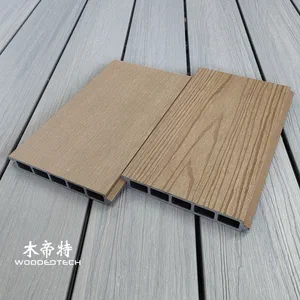 3DGL18024 WPC Longboard Fence Features Premium Co Extruded 3D Embossed Teak Wood Grain Texture with Realistic Natural Wood Fibers
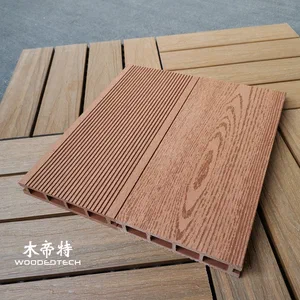 The Classic D14025-4 Red Wood WPC Wood Sheet Features a Timeless 2D Flat Wood Grain Design That Remains Popular After Twenty Years