
Exploring the Benefits of Composite Railing Kits for Industrial Applications in 2023
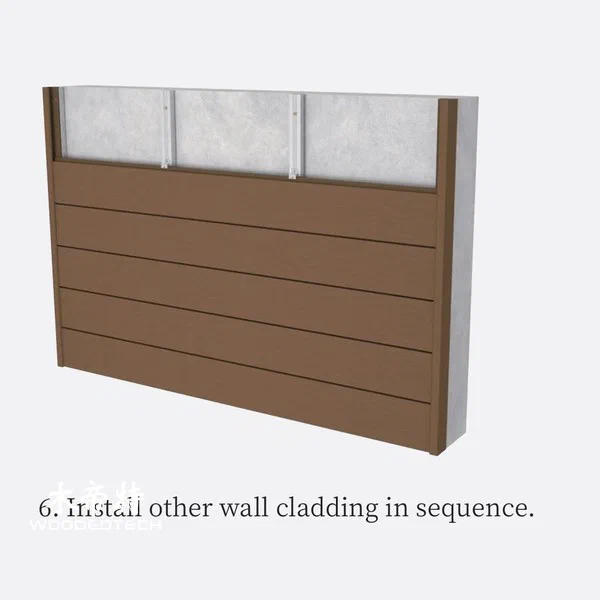
Outdoor wood-plastic composite (WPC) is gaining popularity as an eco-friendly choice for various applications, particularly in railing kits. This innovative material combines recycled plastics with wood fibers, significantly reducing the need for virgin timber and promoting sustainability. WPC’s durability and low-maintenance characteristics make it an attractive option for industrial use, ensuring long-term performance while minimizing environmental impact.
Recycled Materials and Reduced Wood Consumption
One of the foremost reasons outdoor WPC is considered environmentally friendly is its composition. By utilizing recycled plastics, such as post-consumer waste and industrial byproducts, the production of WPC significantly lowers the demand for new plastic materials. This process not only diverts waste from landfills but also conserves natural resources.
Additionally, WPC helps alleviate the pressure on forests. Traditional wood products contribute to deforestation and habitat destruction, while WPC requires fewer resources. The blend of wood fibers and recycled plastics reduces the need for lumber, promoting more sustainable forestry practices.
Durability and Longevity
WPC is engineered to withstand harsh outdoor conditions, offering enhanced durability compared to traditional wood. It is resistant to moisture, rot, and insects, ensuring that outdoor railing kits maintain their structural integrity over time. This durability translates into longer lifespans for WPC products, reducing the frequency of replacements and the associated environmental costs of manufacturing and disposal.
Moreover, the weather-resistant properties of WPC mean less maintenance is required to keep it looking good. Unlike wood, which may need regular staining or sealing, WPC can often be cleaned with just soap and water. This low-maintenance aspect not only saves time and effort but also minimizes the use of potentially harmful chemicals involved in wood care products.
Low Maintenance Advantages
Another key benefit of outdoor WPC is its low maintenance requirements. WPC does not splinter, crack, or warp like traditional wood, making it safer and more user-friendly. The material’s resistance to fading and staining means that it retains its aesthetic appeal with minimal upkeep. This quality is particularly advantageous in industrial applications where safety and appearance are paramount.
Furthermore, the low maintenance nature of WPC products contributes to their sustainability. With fewer resources spent on upkeep, users can focus on more pressing operational tasks. This efficiency aligns with the goals of businesses aiming to reduce their overall environmental footprint.

Conclusion
Outdoor WPC stands as an environmentally friendly alternative in the realm of building materials, particularly for applications like railing kits. By incorporating recycled materials and reducing wood consumption, it supports sustainable practices. Its inherent durability and low-maintenance characteristics further enhance its appeal, making it a practical choice for industrial settings.
Related Articles
 Evaluating Safety Standards: Is WPC Flooring Toxic for Commercial Use in 2023?
 The Advantages of WPC Fence Outdoor Solutions for Industrial Applications in 2023
 Evaluating Top Brands of Composite Decking for Sustainable Building Solutions
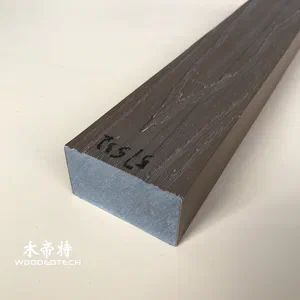 Maximize Your Budget: Explore the Benefits of Composite Cladding Sale in 2023
Related Products
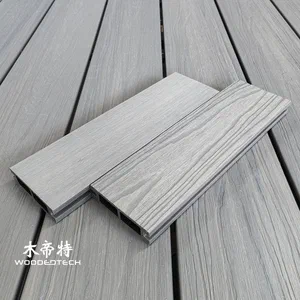 3DGL9024 Composite Railing Kits Feature Premium Co Extruded 3D Embossed Antique Wood Grain Texture with Realistic Natural Wood Fibers
 B30014 Plastic Wood 4x8 Sheets Provide Wide Thin Boards for Large Outdoor Display and Surface Applications
 B7015 HDPE Wood Composite Boards Are Commonly Used for Small Outdoor Garden Fence and Decorative Projects