
Exploring the Advantages of WPC Panel Ograde for Industrial Applications in 2023
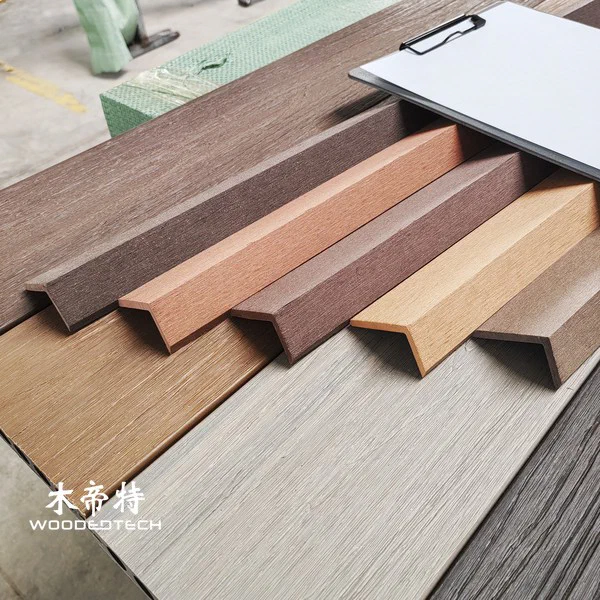
Designing high-performance outdoor wood plastic composite (WPC) formulas involves a careful balance of wood fiber content, plastic ratio, additives, and cost control, all while ensuring product longevity. These composites are increasingly popular for applications like decking, wall cladding, fencing, pergolas, and landscape products due to their durability, aesthetic appeal, and eco-friendliness.
Wood Fiber Content and Plastic Ratio
The core of any WPC formulation is the combination of wood fibers and plastic. Generally, higher wood fiber content enhances the composite’s natural appearance and provides good mechanical properties. However, too much wood can lead to issues such as moisture absorption and reduced durability. A typical balance is around 50% wood fiber to 50% plastic, but this can vary based on specific applications and desired characteristics.
For decking and outdoor applications, increasing the plastic ratio can improve resistance to moisture and UV degradation. This is particularly important in regions with extreme weather conditions. Selecting high-quality, weather-resistant plastics such as polyethylene or polypropylene can further enhance the product’s lifespan.
Additives for Performance Enhancement
Additives play a crucial role in optimizing WPC performance. UV stabilizers, anti-fungal agents, and colorants can be included to enhance aesthetic appeal and protect against environmental stressors. For instance, anti-slip additives are vital for decking applications to ensure safety in wet conditions.
It’s also essential to consider the impact of these additives on the overall cost. While some additives can significantly enhance performance, they may also increase production costs. Therefore, selecting effective yet cost-efficient additives is key to maintaining a competitive price point without compromising quality.

Cost Control Strategies
Cost control in WPC formulation development revolves around material selection and manufacturing processes. Utilizing locally sourced materials can decrease transportation costs and overall expenses. Additionally, optimizing the manufacturing process to reduce waste and energy consumption can contribute to cost savings.
Another strategy is to explore the potential for recycled materials. Incorporating recycled plastics not only lowers material costs but also enhances the sustainability profile of the product. However, it is crucial to ensure that the quality of recycled materials meets the performance standards required for outdoor applications.
Ensuring Product Lifespan
To maximize the product’s lifespan, attention must be paid to the formulation’s resistance to environmental factors. This includes moisture, UV radiation, and temperature fluctuations. Conducting extensive testing during the development phase can help identify weaknesses and allow for adjustments to be made before the product reaches the market.
Regular maintenance and recommendations for care can also contribute to longevity. Educating consumers on proper cleaning methods and how to avoid damage can help maintain the appearance and integrity of WPC products over time.
Related Articles
 Innovations in Composite Wall Systems: Enhancing Industrial Efficiency in 2023
 Understanding WPC Panel Sizes: A Comprehensive Guide for Industrial Applications
 WPC Exterior Panels for Attractive Outdoor Walls Building Facades and Exterior Cladding Applications
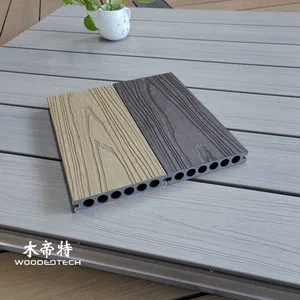 Exploring the Benefits of WPC Coffee: A Sustainable Solution for 2024
Related Products
 GD13823-3 Composite Boards for Decking Are Available in Multiple Stock Colors with 3 Meter Lengths and Single Piece Delivery
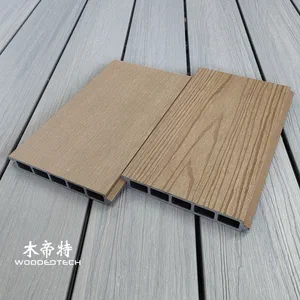 3DGL18024 WPC Longboard Fence Features Premium Co Extruded 3D Embossed Teak Wood Grain Texture with Realistic Natural Wood Fibers
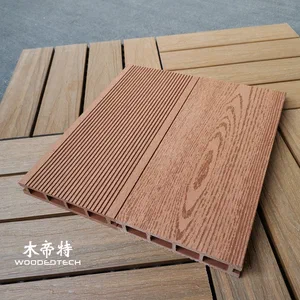 The Classic D14025-4 Red Wood WPC Wood Sheet Features a Timeless 2D Flat Wood Grain Design That Remains Popular After Twenty Years