
Exploring the Advantages of Wood Plastic Composite Board for Industrial Applications
Designing high-performance wood plastic composite (WPC) formulations for outdoor applications such as decking, wall cladding, fencing, pergolas, and landscape products involves a careful balance of several factors. Key considerations include the ratio of wood fiber to plastic, the selection of additives, cost management, and the desired lifespan of the final product.
Wood Fiber Content and Plastic Ratio
The foundation of any WPC lies in its material composition. Typically, the formulation consists of a blend of wood fibers and thermoplastics. The wood fiber content can range from 30% to 70%, depending on the desired characteristics of the final product. Higher wood fiber content can enhance the natural look and feel, but it may also increase susceptibility to moisture and degradation.
Conversely, increasing the plastic ratio can improve durability and resistance to weather elements, but may compromise the aesthetic appeal. Striking the right balance is crucial. A common starting point is a 50-50 ratio, which can be adjusted based on specific performance criteria like strength, flexibility, and resistance to UV light and moisture.

Additives and Enhancements
Additives play a vital role in enhancing WPC formulations. Common additives include:
- UV Stabilizers: Protect against sun damage, ensuring color retention and longevity.
- Antioxidants: Prevent degradation of the plastic over time, particularly in outdoor applications.
- Fire Retardants: Improve safety by making the composite more resistant to fire.
- Colorants: Provide aesthetic options that mimic natural wood or offer vibrant hues.
Choosing the right combination of additives can optimize performance while balancing cost. For example, while UV stabilizers may add to initial costs, they can significantly extend the product’s lifespan and reduce the need for replacement.
Cost Control Strategies
Cost management is essential in WPC production, especially as raw materials fluctuate in price. Several strategies can help control costs without sacrificing quality:
- Sourcing Local Materials: Utilizing locally sourced wood fibers can reduce transportation costs and support sustainability.
- Optimizing Production Processes: Streamlining manufacturing techniques, such as utilizing advanced co-extrusion methods, can reduce waste and improve efficiency.
- Bulk Purchasing: Buying raw materials in larger quantities can lead to discounts and lower overall costs.
Engaging in thorough market research can also help identify the most cost-effective materials and suppliers.
Product Lifespan Considerations
The longevity of WPC products is a crucial selling point, especially for outdoor applications exposed to harsh environmental conditions. Factors influencing lifespan include:
- Material Quality: Higher-quality resins and wood fibers yield longer-lasting products.
- Environmental Conditions: Products designed for specific climates, such as high-moisture regions, should incorporate additional protective measures.
- Maintenance: While WPC is generally low-maintenance, educating consumers on proper care can enhance the product’s lifespan. For example, regular cleaning and avoiding harsh chemicals can help preserve appearance and functionality.
Conclusion
Creating high-performance wood plastic composites for outdoor applications involves a strategic approach to formulation development. By carefully balancing wood fiber content, plastic ratios, and additives while maintaining cost control, manufacturers can produce durable, appealing products that meet market demands. As the industry evolves, continued innovation and attention to material science will drive further advancements in WPC technologies.
Related Articles
Related Products
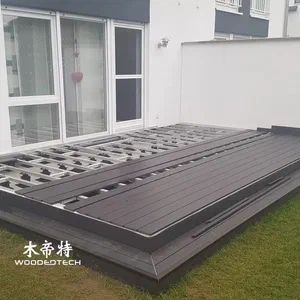
 GD13823-3 Composite Boards for Decking Are Available in Multiple Stock Colors with 3 Meter Lengths and Single Piece Delivery
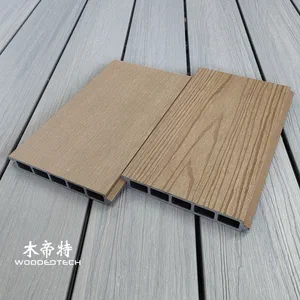 3DGL18024 WPC Longboard Fence Features Premium Co Extruded 3D Embossed Teak Wood Grain Texture with Realistic Natural Wood Fibers
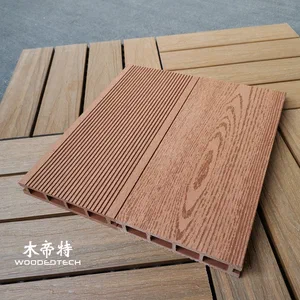 The Classic D14025-4 Red Wood WPC Wood Sheet Features a Timeless 2D Flat Wood Grain Design That Remains Popular After Twenty Years