
Exploring Options: What's the Cheapest Composite Decking for Your Business in 2023?
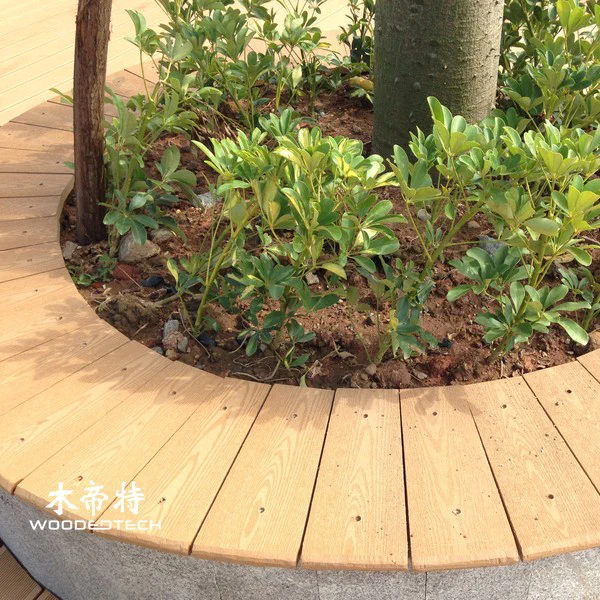
Designing high-performance outdoor wood plastic composite (WPC) formulas requires a careful balance of ingredients and processes to achieve desirable properties for decking, wall cladding, fencing, pergolas, and landscape products. The key factors include the ratio of wood fiber to plastic, the type and amount of additives, and considerations for cost control and product lifespan.
Wood Fiber Content and Plastic Ratio
The proportion of wood fiber to plastic is a critical determinant of the performance characteristics of WPC products. Typically, a higher wood fiber content enhances the composite’s natural aesthetic and provides some thermal insulation properties. However, increasing wood fiber can also lead to issues such as moisture absorption, which can compromise durability.

On the other hand, increasing the plastic content improves resistance to weathering and enhances the overall durability of the composite. A common balance is to maintain a wood fiber content between 40% and 60%, ensuring that the composite retains a wood-like appearance while benefiting from the protective qualities of plastic. The use of recycled plastics can also reduce costs and promote sustainability.
Additives for Performance Enhancement
Incorporating additives is essential to enhance the performance of WPC formulations. Common additives include:
- UV stabilizers to prevent color fading and degradation due to sunlight.
- Anti-fungal agents to inhibit mold and mildew growth.
- Fire retardants to improve safety, particularly in residential and commercial applications.
- Processing aids that enhance the flow properties during manufacturing.
Careful selection and optimization of these additives can significantly extend the lifespan of the product while maintaining cost-effectiveness.
Cost Control Measures
Balancing performance with cost is a fundamental challenge in WPC formulation development. Using lower-cost raw materials, such as alternative wood fibers or recycled plastics, can help reduce overall production costs. Additionally, optimizing the manufacturing process to minimize waste and energy consumption can improve profit margins.
It’s also crucial to conduct market analysis to ensure that the pricing of WPC products remains competitive without compromising quality. Understanding customer preferences for aesthetics and performance can guide the formulation to meet market demands effectively.
Product Lifespan Considerations
The lifespan of WPC products is influenced by several factors, including the quality of materials used, the formulation design, and environmental conditions. A well-balanced composition with the right proportion of wood and plastic, along with effective additives, can create products that resist warping, splintering, and fading over time.
Conducting accelerated weathering tests can provide insights into the expected durability and performance of different formulations. This data is invaluable for positioning products in the market, particularly when targeting segments looking for long-lasting outdoor solutions.
Conclusion
Designing high-performance WPC formulas for outdoor applications involves a strategic approach to balancing wood fiber content, plastic ratios, additives, and cost considerations. By focusing on these aspects, manufacturers can create products that not only meet aesthetic and functional demands but also offer longevity and value in the competitive market.
Related Articles
 Garden Decking Composite Board Creates Beautiful And Durable Outdoor Living Areas
 Exploring the Cheapest Composite Decking Options for Cost-Effective Industrial Projects
 Top WPC Decking Manufacturers: A Comprehensive Guide for 2023 B2B Buyers
 Composite Deck Floor Solutions: Performance Standards and Industrial Applications
Related Products
 GD13820 M Shape Co Extruded Composite Deck Planks Feature a Special Profile Design for Distinctive Outdoor Decking Applications
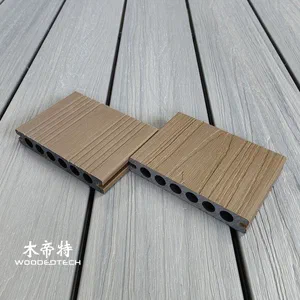 GD13823-3 Teak TK Co Extruded Decking Is a Popular Choice from Composite Decking Suppliers for Outdoor Flooring Projects
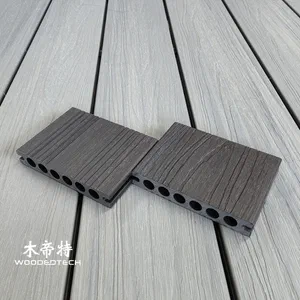 GD13823-3 Walnut WN Co Extruded Decking Features a Dark Rich Color That Helps Resist Visible Dirt and Stains