
Exploring New Composite Decking Materials: Innovations for the 2023 Construction Industry
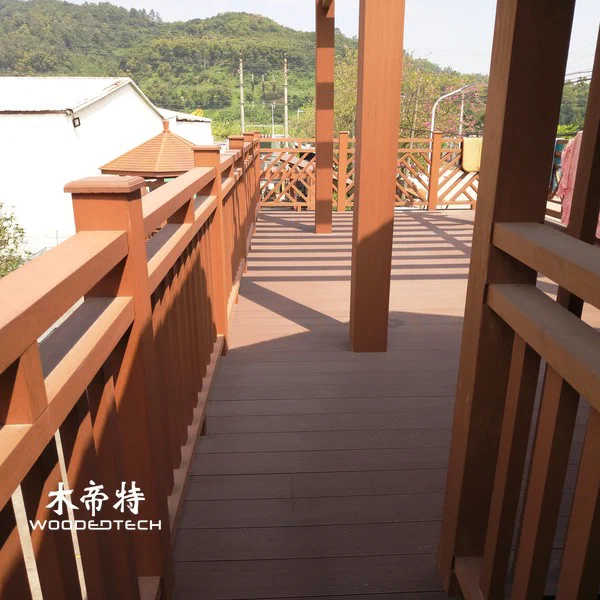
Designing high-performance outdoor wood plastic composite (WPC) formulas for applications such as decking, wall cladding, fencing, pergolas, and landscape products involves a careful balance of several factors. Key considerations include wood fiber content, plastic ratio, additives, cost control, and product lifespan. Each element plays a crucial role in ensuring the final product meets the necessary performance standards while remaining economically viable.
Wood Fiber Content and Plastic Ratio
The ratio of wood fiber to plastic is a critical factor in WPC formulation. Generally, a higher wood fiber content can enhance the aesthetic appeal and provide a more natural look, but it may also affect the durability and moisture resistance of the composite. Common formulations range from 50% to 70% wood fiber, depending on the application.
The plastic component is essential for providing structural integrity and weather resistance. Typically, polyethylene or polypropylene is used. A balanced approach is necessary; too much plastic can lead to a less natural look and a higher cost, while too much wood fiber can compromise strength and longevity. A common target is to maintain a 60:40 wood to plastic ratio for decking, which offers a good compromise between performance and aesthetics.
Additives for Enhanced Performance
Additives play a significant role in achieving desired properties in WPCs. They can improve the final product’s UV resistance, fire retardancy, and overall mechanical properties. Some widely used additives include:

- UV stabilizers to prevent color fading
- Anti-oxidants to enhance thermal stability
- Colorants for aesthetic appeal
- Processing aids to improve manufacturability
The right combination of additives not only enhances performance but also extends the product lifespan, making it more appealing to consumers.
Cost Control Considerations
While developing high-performance WPC products, cost control is essential. The choice of materials significantly impacts manufacturing costs, and achieving a balance between quality and affordability can be challenging. Using recycled materials can help reduce costs and improve sustainability, but they must be carefully selected to ensure they do not negatively impact the performance of the composite.
Additionally, manufacturers should consider the efficiency of the production process. Streamlining manufacturing methods, such as optimizing extrusion techniques and minimizing waste, can lead to significant cost savings.
Product Lifespan and Durability
The lifespan of WPC products is a crucial selling point. Consumers are increasingly looking for materials that offer longevity with minimal maintenance. To achieve this, formulations should focus on moisture resistance and dimensional stability. Products designed for outdoor use must withstand various environmental conditions, including UV exposure, humidity, and temperature fluctuations.
Incorporating co-extrusion techniques, where a protective layer of plastic is applied over the wood-plastic core, can significantly enhance weather resistance. This method also adds to the aesthetic appeal without compromising strength, making it an attractive option for decking and cladding.
Conclusion
Designing high-performance WPC formulas requires a comprehensive understanding of material properties and market demands. By balancing wood fiber content, plastic ratios, additives, cost control, and product lifespan, manufacturers can create innovative and durable composite materials that meet the rigorous demands of the construction industry. As trends evolve in 2023, staying attuned to these factors will ensure that products remain competitive and attractive to consumers.
Related Articles
 Innovative Solutions for Composite Decking with Hidden Fasteners in 2023
 Optimizing WPC's: The Future of Composite Materials in Industrial Applications
 Exploring Custom Composite Solutions: Enhancing Industrial Applications in 2023
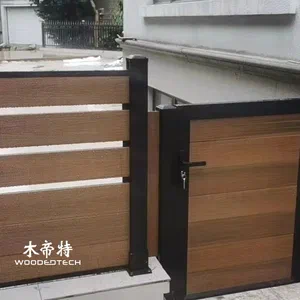 Understanding Composite Deck Gap: Best Practices for Industrial Applications in 2023
Related Products
 GD13820 M Shape Co Extruded Composite Deck Planks Feature a Special Profile Design for Distinctive Outdoor Decking Applications
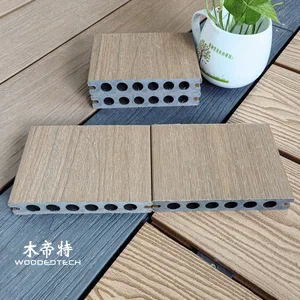 GD13823 Double Sided Flat Surface Co Extruded WPC Decking Features a Popular Width and Thickness with Round Hollow Structure
 GD13823-3 Composite Boards for Decking Are Available in Multiple Stock Colors with 3 Meter Lengths and Single Piece Delivery