
Exploring Custom Composite Solutions: Enhancing Industrial Applications in 2023
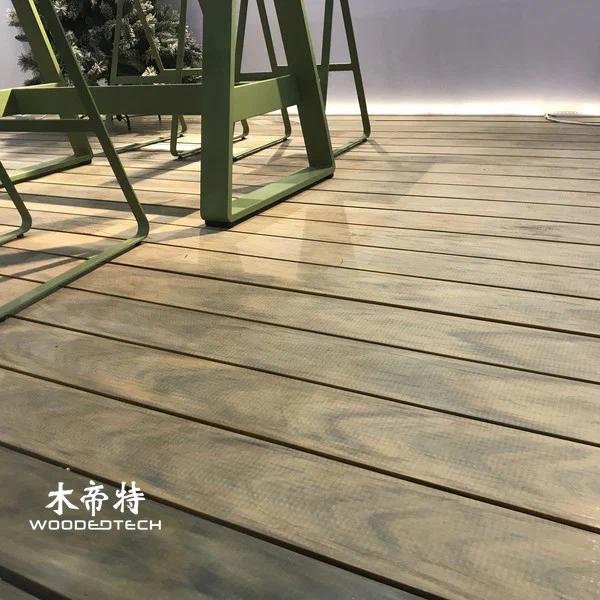
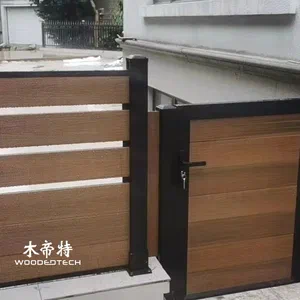
Designing high-performance wood plastic composites (WPC) for outdoor applications involves a careful balance of materials and additives to enhance durability, aesthetics, and cost-effectiveness. In 2023, as environmental considerations become increasingly important, the demand for sustainable composite solutions is higher than ever. This article explores key factors in creating effective WPC formulas for decking, wall cladding, fencing, pergolas, and landscape products.
Balancing Wood Fiber and Plastic Content
The foundation of any WPC formula lies in the ratio of wood fibers to plastic. Generally, higher wood fiber content can improve the aesthetic appeal and provide a more natural feel. However, it can also lead to reduced weather resistance and structural integrity.
- A common practice is to maintain a wood fiber content between 40% to 70%.
- Lower plastic content can enhance biodegradability but may compromise performance in outdoor environments.
Finding the right balance is essential to ensure the final product meets performance standards while still appealing to environmentally conscious consumers.
Incorporating Additives for Enhanced Performance
Additives play a crucial role in optimizing the properties of WPCs. Depending on the application, various additives can be utilized to improve durability, color retention, and resistance to UV light and moisture.
- UV Stabilizers: Protect against fading and degradation from sun exposure.
- Antimicrobial Agents: Prevent mold and mildew growth, especially important for outdoor settings.
- Fire Retardants: Enhance safety standards, especially for structures like pergolas and fencing.
- Colorants and Fillers: Provide aesthetic variety and enhance surface finish.
Selecting the right combination of additives is vital to achieving the desired performance characteristics while keeping costs in check.
Cost Control Strategies
Cost is a significant factor in the development of WPC products. Effective cost control strategies can involve:
- Sourcing sustainable materials at competitive prices, which can help meet market demand without sacrificing quality.
- Optimizing the production process to reduce waste and increase efficiency, such as using co-extrusion techniques that apply a durable outer layer of plastic over a wood-filled core.
- Evaluating the total lifecycle cost of materials, including how longevity can offset initial expenses through reduced maintenance and replacement costs.
By focusing on both material selection and production efficiency, manufacturers can deliver high-quality products that meet market expectations while managing expenses.
Longevity and Maintenance Considerations
The lifespan of WPC products is heavily influenced by the formulation and environmental conditions. High-quality composites can last for years with minimal maintenance, making them attractive to consumers. To enhance longevity:
- Ensure a proper balance of wood and plastic to resist warping, cracking, and splitting.
- Implement surface treatments that provide additional protection against the elements.
- Educate consumers on best practices for maintenance, such as regular cleaning and inspections, to prolong the life of their products.
By prioritizing longevity in the design phase, manufacturers can build trust with customers and enhance brand loyalty.
Future Trends in WPC Development
As technology advances, the potential for innovative WPC formulations continues to grow. Emerging trends include:

- Recycled Materials: Incorporating recycled plastics and wood fibers can reduce environmental impact and appeal to eco-conscious consumers.
- Smart Technology Integration: Developing WPCs with integrated sensors for monitoring structural integrity or environmental conditions could offer added value.
- Customization Options: Allowing for bespoke formulations to meet specific customer needs, such as unique colors or textures, can differentiate a brand in a competitive market.
Embracing these trends can position manufacturers as leaders in the evolving WPC landscape.
Through thoughtful formulation and an understanding of market demands, manufacturers can create high-performance WPC products that excel in durability, aesthetics, and sustainability. This strategic approach not only meets consumer needs but also contributes to a greener future in construction and outdoor living.
Related Articles
Related Products
 GD13820 M Shape Co Extruded Composite Deck Planks Feature a Special Profile Design for Distinctive Outdoor Decking Applications
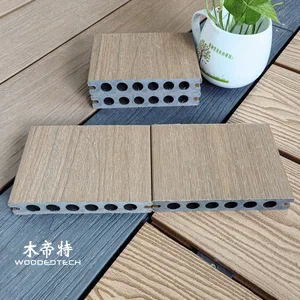 GD13823 Double Sided Flat Surface Co Extruded WPC Decking Features a Popular Width and Thickness with Round Hollow Structure
 GD13823-3 Composite Boards for Decking Are Available in Multiple Stock Colors with 3 Meter Lengths and Single Piece Delivery