
Exploring Composite Wall Panels Exterior: Benefits and Applications for 2023
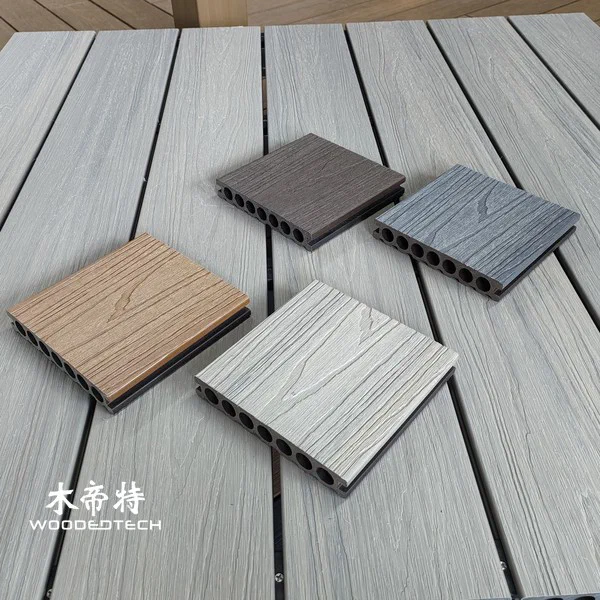
Architects and landscape designers increasingly choose wood plastic composite (WPC) products for their outdoor projects due to their durability and low maintenance requirements. These materials offer a range of applications, including wall panels, decking, and cladding, allowing for creative and functional outdoor environments that stand the test of time.
Benefits of WPC Products
WPC products combine the best of both wood and plastic, resulting in materials that are resistant to weather, insects, and rot. This makes them ideal for outdoor settings where traditional wood might deteriorate quickly. Some key benefits include:
- Durability: WPC products are designed to withstand harsh weather conditions, ensuring longevity.
- Low Maintenance: They require less upkeep compared to natural wood, eliminating the need for regular staining or sealing.
- Aesthetic Versatility: Available in a variety of colors and textures, WPC can mimic the look of wood while offering unique design options.
- Sustainability: Many WPC materials are made from recycled materials, making them an eco-friendly choice.

Applications in Landscape Design
WPC products can be used in various applications, enhancing outdoor spaces in both residential and commercial projects. Key applications include:
- Wall Cladding: WPC wall panels provide a modern aesthetic while offering protection against moisture and pests.
- Decking: Ideal for patios and walkways, WPC decking is slip-resistant and comfortable underfoot, making it safe for family use.
- Fencing: WPC fencing solutions provide privacy and security without the maintenance hassle associated with traditional wood fences.
- Garden Structures: From pergolas to planters, WPC can be crafted into durable garden features that enhance landscaping.
Project Considerations
When selecting WPC materials for a project, architects and landscape designers should consider several factors:
- Climate: The local climate can influence the choice of WPC products, as some materials may perform better in specific conditions.
- Design Intent: The intended look and function of the space should guide material selection, ensuring that the WPC chosen complements the overall design.
- Budget: While WPC products may have a higher initial cost than some alternatives, their durability and low maintenance can lead to long-term savings.
- Installation: Understanding the installation requirements and timeframes for WPC products can help in project planning.
Material Selection Advice
Choosing the right WPC product involves evaluating various attributes. Here are some tips:
- Quality Levels: Look for high-quality WPC materials that offer better durability and aesthetic appeal.
- Capped vs. Uncapped: Capped WPC products have an additional layer that enhances protection against moisture and UV damage, making them ideal for outdoor use.
- Texture and Finish: Consider the texture of the WPC, as this can affect the slip resistance and overall look of the installation.
- Manufacturer Reputation: Work with reputable suppliers who provide warranties and support for their products to ensure reliability.
By leveraging the advantages of WPC materials, architects and landscape designers can create stunning and functional outdoor environments that meet the needs of modern living while minimizing maintenance and environmental impact.
Related Articles
 WPC Wall Panel Suppliers for Outdoor Building Projects Exterior Cladding and Architectural Applications
 Innovative Applications of WPC Vlonderplanken in Modern Industrial Landscaping
 WPC Decking Weight Information Helps Customers Choose Suitable Outdoor Flooring Materials
 Discover the Leading WPC Wall Panels Factory: Quality Solutions for Your Business Needs
Related Products
 GD13823-3 Composite Boards for Decking Are Available in Multiple Stock Colors with 3 Meter Lengths and Single Piece Delivery
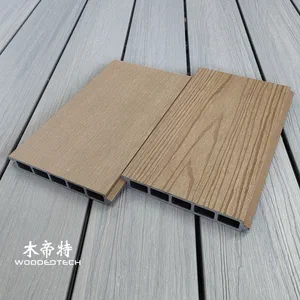 3DGL18024 WPC Longboard Fence Features Premium Co Extruded 3D Embossed Teak Wood Grain Texture with Realistic Natural Wood Fibers
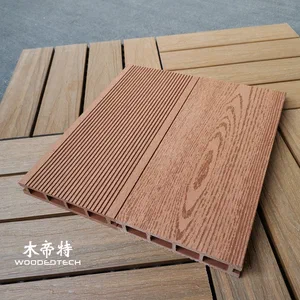 The Classic D14025-4 Red Wood WPC Wood Sheet Features a Timeless 2D Flat Wood Grain Design That Remains Popular After Twenty Years