
Exploring Composite Decking Without Wood Grain: Advantages for Commercial Projects in 2023
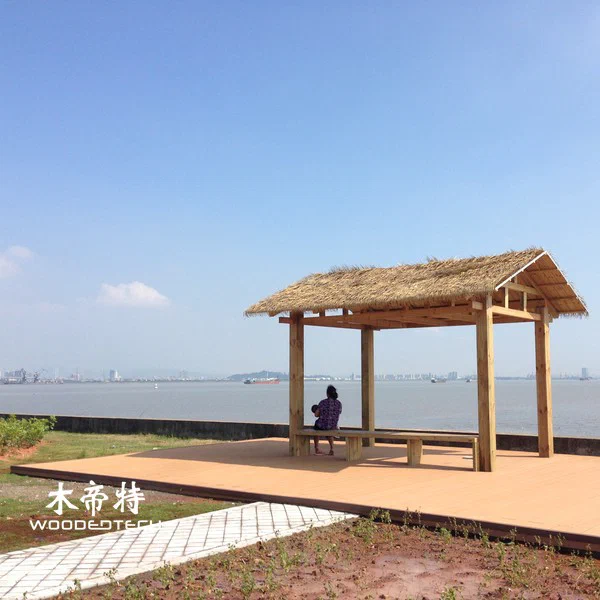
The shift towards composite materials in outdoor design reflects a growing demand for sustainability and versatility. In 2023, composite decking, wall panels, fences, pergolas, gazebos, and landscape products are embracing modern design trends that eliminate the traditional wood grain appearance. This approach offers a range of benefits for commercial projects, enhancing aesthetic appeal while promoting durability and low maintenance.
Color Trends in Composite Design
One of the most striking aspects of contemporary composite products is the expanded color palette available. Designers are moving away from wood-like tones to embrace bolder, more vibrant hues. Shades such as deep blues, rich grays, and even earthy tones without the wood texture are gaining popularity. This variety allows architects and designers to create unique outdoor spaces that reflect their brand identity or the surrounding environment.
Innovative Textures and Finishes
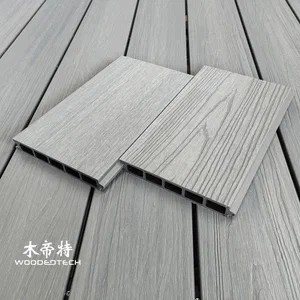
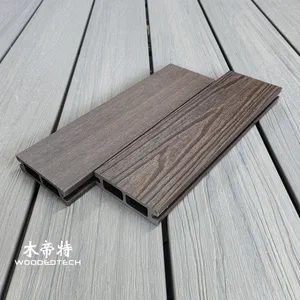
Modern composite materials are no longer limited to smooth surfaces. Textured finishes are becoming increasingly common, offering both visual interest and practical benefits. Textures can provide slip resistance and enhance the tactile experience of the surface. New techniques, such as 3D embossing, allow for intricate patterns that mimic natural elements while maintaining the durability of composite materials. This innovation helps to create visually compelling spaces that remain functional and safe.
Versatile Profiles and Designs
The profiles of composite products are also evolving. With advancements in manufacturing, designers can now create sleek, minimalist profiles that enhance the modern aesthetic. Such designs can seamlessly integrate with architectural elements and landscaping. Modular designs allow for easy customization and installation, catering to diverse project requirements. This adaptability is particularly valuable in commercial settings where time and efficiency are crucial.
Modular Design for Efficiency
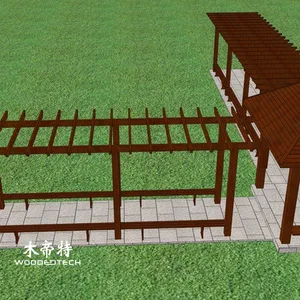
Modular components are revolutionizing how outdoor spaces are constructed. By using pre-fabricated elements, teams can assemble structures like pergolas, fences, and decks more quickly and efficiently. This not only reduces labor costs but also minimizes waste during installation. Modular designs provide flexibility, allowing for easy reconfiguration or expansion as needs change over time.
Enhancing Outdoor Spaces
The combination of innovative colors, textures, and modular designs contributes to creating inviting outdoor spaces that enhance user experience. Composite materials can be used in various applications, from creating comfortable seating areas to establishing serene pathways. The aesthetic appeal of these products encourages outdoor engagement, promoting an environment where people want to gather and spend time.
Sustainability and Low Maintenance

Another significant advantage of using composite materials without wood grain is their low environmental impact. Made from recycled materials, they support sustainable building practices. Additionally, the durability of composites means they require less maintenance compared to traditional wood, reducing long-term costs for commercial properties. This aspect is particularly appealing to businesses looking to maintain a polished appearance without extensive upkeep.
By focusing on modern design trends that emphasize color, texture, and modularity, composite products are transforming outdoor spaces. They offer a contemporary alternative that meets the demands of both aesthetics and functionality. As the landscape of commercial projects evolves, embracing these innovations will be essential for creating spaces that are not only beautiful but also sustainable and practical.
Related Articles
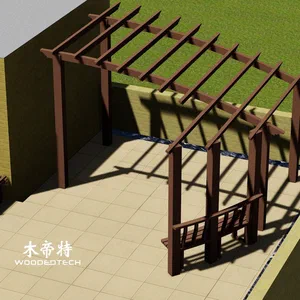 Innovative Solutions for WPC Decking Fence: Enhancing Outdoor Spaces in 2023
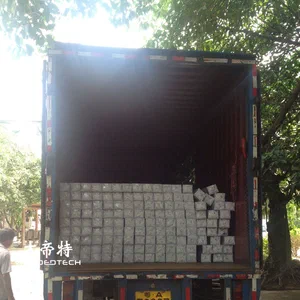 Enhancing Outdoor Spaces: Building a Composite Deck with Privacy Wall Solutions
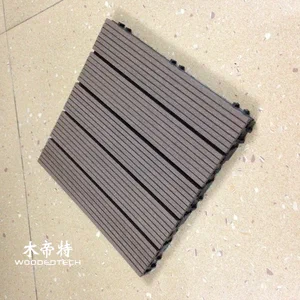 Elevate Outdoor Spaces with WPC Deck Tiles: A Sustainable Choice for 2023
 Innovative Composite Deck Handrail Solutions for Enhanced Safety and Aesthetics in 2023
Related Products
 GD13820 M Shape Co Extruded Composite Deck Planks Feature a Special Profile Design for Distinctive Outdoor Decking Applications
 3DGL18024 Composite Decking Fence Features Premium Co Extruded 3D Embossed Antique Wood Grain Texture with Realistic Natural Wood Fibers
 3DGL9024 Composite Decks and Railings Feature Premium Co Extruded 3D Embossed Rosewood Grain Texture with Realistic Natural Wood Fibers