
Exploring Composite Decking Railing Options: A Comprehensive Guide for 2023
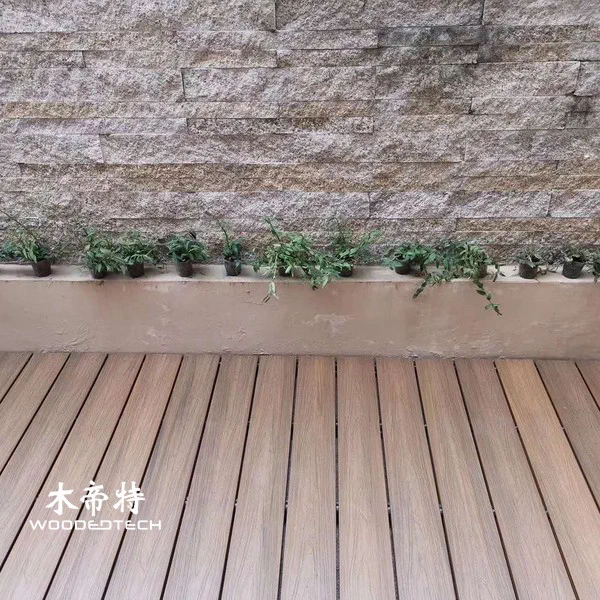
Modern design trends in composite decking and outdoor structures emphasize aesthetics, functionality, and sustainability. As homeowners seek to enhance their outdoor spaces, products such as composite decking, wall panels, fences, pergolas, and gazebos are evolving to meet these demands. Key elements include innovative colors, diverse textures, well-thought-out profiles, and modular designs that cater to various tastes and preferences.
Color Trends
Color plays a significant role in the appeal of outdoor products. Current trends lean toward natural hues that mimic wood, such as deep browns, warm grays, and muted greens. These colors blend seamlessly with outdoor environments and create a calming atmosphere. Additionally, bold colors are gaining popularity for accent features, allowing homeowners to express their personality and style.

Texture and Finish
Texture is another critical aspect that enhances the user experience and visual appeal of composite materials. Manufacturers are now offering 3D embossed composite decking, which mimics the look and feel of real wood without the maintenance. This technology not only improves aesthetics but also provides slip resistance, making outdoor areas safer. Textured surfaces also help in disguising dirt and wear, extending the lifespan of the products.
Innovative Profiles
The profiles of composite decking and related products have evolved to allow for greater versatility in design and installation. Asymmetrical and wide-plank profiles are becoming increasingly popular, providing a modern look that complements contemporary architecture. These profiles can also be tailored to fit specific design needs, such as creating seamless transitions between indoor and outdoor spaces.
Modular Designs
Modular designs are revolutionizing the way outdoor spaces are constructed. Prefabricated components allow for quicker installations and greater flexibility in layout. Homeowners can easily customize their spaces with elements like modular fencing and decking systems, enabling them to adapt their outdoor areas for various uses, from entertaining to relaxation. This trend also reduces waste and labor costs, making it an attractive option for budget-conscious consumers.
Integration with Nature
Modern outdoor products increasingly focus on environmental harmony. Using eco-friendly materials, such as recycled plastics and sustainably sourced wood fibers, helps minimize the ecological impact. Additionally, designs that incorporate natural elements—like greenery in pergolas or integrated planters—allow homeowners to create a seamless connection between their indoor and outdoor environments, enhancing the overall experience.
Conclusion
The evolution of composite decking and outdoor structures reflects a broader trend toward creating functional, beautiful, and sustainable outdoor spaces. By focusing on color, texture, innovative profiles, and modular designs, these products not only enhance the aesthetic appeal of a home but also improve its usability and environmental footprint.
Related Articles
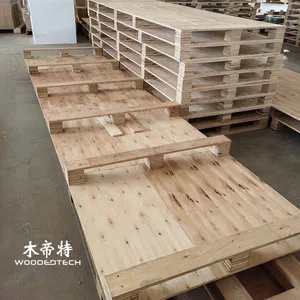 Exploring WPC Panel Colours: A Comprehensive Guide for Industrial Applications in 2023
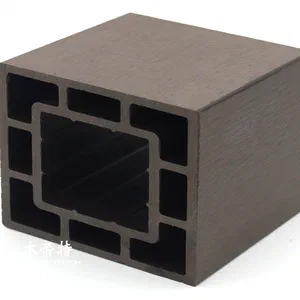 Enhancing Safety and Aesthetics: The Importance of Composite Deck Nosing in 2023
 Composite Decking Kits 4m x 4m Provide Complete Solutions for DIY Outdoor Deck Projects
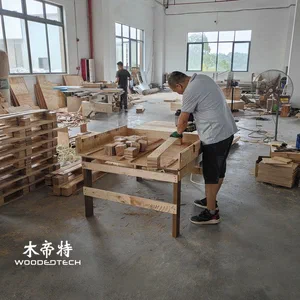 Innovative Composite Decking Ideas: Enhance Your Outdoor Space in 2023
Related Products
 GD13820 M Shape Co Extruded Composite Deck Planks Feature a Special Profile Design for Distinctive Outdoor Decking Applications
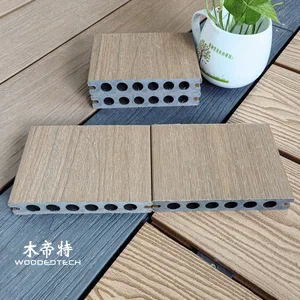 GD13823 Double Sided Flat Surface Co Extruded WPC Decking Features a Popular Width and Thickness with Round Hollow Structure
 GD13823-3 Composite Boards for Decking Are Available in Multiple Stock Colors with 3 Meter Lengths and Single Piece Delivery