
Exploring Composite Decking Nearby: The Best Options for Your Industrial Projects in 2023
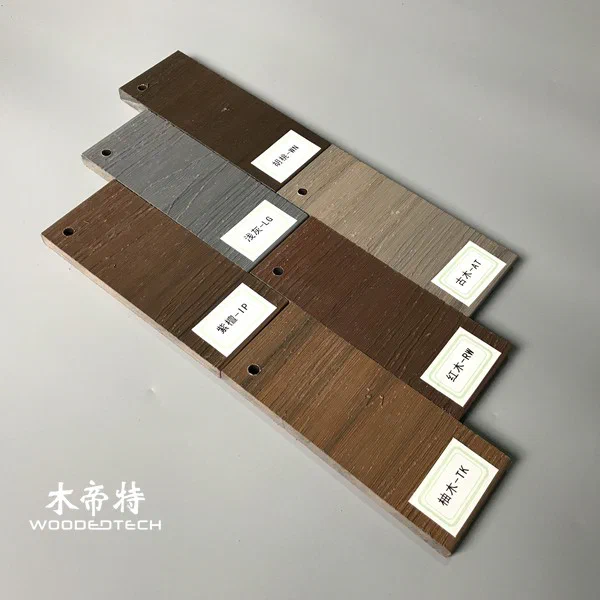
High-performance outdoor wood plastic composite (WPC) formulations are essential for applications like decking, wall cladding, fencing, pergolas, and landscape products. Designing these composites involves a careful balance of wood fiber content, plastic ratios, additives, cost control, and anticipated product lifespan. This article will explore the key considerations in formulating effective WPC solutions for industrial projects in 2023.
Wood Fiber Content and Plastic Ratio
The wood fiber content in a WPC formulation significantly influences its mechanical properties, aesthetics, and environmental impact. Typically, a composition of 50-70% wood fiber and 30-50% plastic is common, but specific applications may require adjustments. Higher wood content enhances the material’s natural appearance and provides better thermal insulation, while a greater plastic ratio can improve weather resistance and durability.
Finding the right balance is crucial. Too much wood can lead to moisture absorption, causing swelling and decay, while excessive plastic can reduce the natural look and feel of the product. Manufacturers often conduct thorough testing to determine the optimal mix for specific applications, ensuring the composite performs well in real-world conditions.
Additives for Enhanced Performance
Additives play a vital role in enhancing the performance of WPC formulations. Common additives include:
- UV stabilizers to protect against sun damage.
- Antioxidants to prevent degradation from heat and exposure.
- Anti-fungal agents to inhibit mold and mildew growth.
- Colorants for aesthetic appeal.
Each additive must be chosen based on its compatibility with both wood and plastic components to ensure that it does not adversely affect the composite’s integrity or performance. Additionally, the cost of these additives can impact the overall budget, necessitating a careful selection process.
Cost Control Considerations
Cost control is essential in the formulation of outdoor WPC products. While high-quality materials can enhance performance and longevity, they can also drive up costs. Manufacturers must evaluate the trade-offs between premium additives and cost-effective alternatives, aiming to create a product that meets performance standards without exceeding budget constraints.
One approach is to assess the long-term value of the product. Investing in higher-quality materials might result in higher upfront costs but can reduce the need for maintenance and replacement, ultimately leading to savings over time.
Product Lifespan and Durability

The expected lifespan of a WPC product is heavily influenced by its formulation. Factors such as the quality of wood fiber, type of plastic used, and the presence of additives all contribute to the composite’s overall durability. For example, using recycled plastics can be an eco-friendly choice, but it may also affect the mechanical properties if not properly balanced with other components.
Testing for resistance to environmental factors like moisture, temperature fluctuations, and UV exposure is critical. Products designed for harsh climates may require more robust formulations, while those intended for milder conditions can be developed with lower specifications.
Applications in Industrial Projects
When developing WPC formulations for specific applications such as decking, wall cladding, fencing, or pergolas, it is essential to tailor the composite to meet the unique demands of each use case. For instance, decking boards require a higher degree of slip resistance and durability than decorative wall panels. Understanding the end-use environment will guide the formulation process, ensuring that the final product delivers optimal performance and longevity.
Incorporating innovative design elements, such as 3D embossed textures, can enhance both the aesthetic appeal and functional performance of WPC products. This not only meets consumer demand for visually striking options but also contributes to improved slip resistance and overall usability.
By focusing on these key areas—wood fiber content, plastic ratios, additives, cost control, and product lifespan—manufacturers can create a range of high-performance outdoor WPC products that cater to diverse industrial needs in 2023.
Related Articles
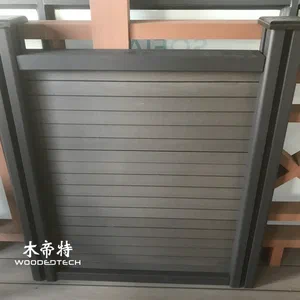 Innovations in Composite Wall Systems: Enhancing Industrial Efficiency in 2023
 Choosing the Right Composite Deck Boards for Steps: A Comprehensive Guide for 2023
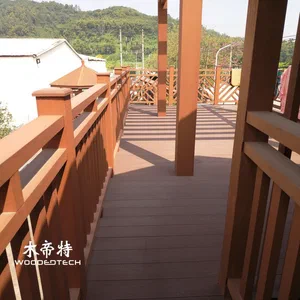 Exploring New Composite Decking Materials: Innovations for the 2023 Construction Industry
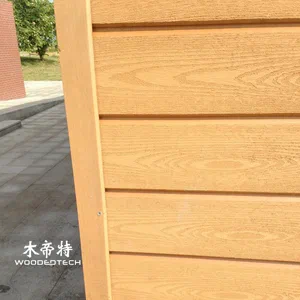 Innovative Solutions for Composite Decking with Hidden Fasteners in 2023
Related Products
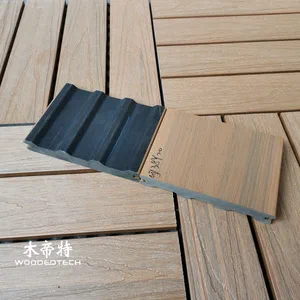 GD13820 M Shape Co Extruded Composite Deck Planks Feature a Special Profile Design for Distinctive Outdoor Decking Applications
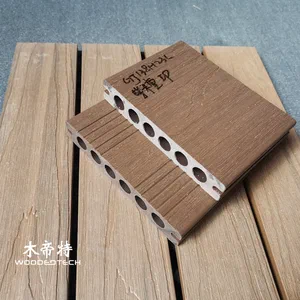 GD13823-3 Composite Boards for Decking Are Available in Multiple Stock Colors with 3 Meter Lengths and Single Piece Delivery
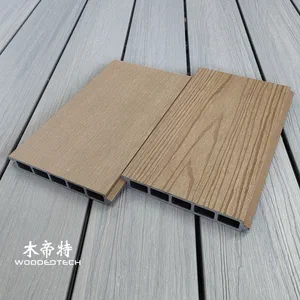 3DGL18024 WPC Longboard Fence Features Premium Co Extruded 3D Embossed Teak Wood Grain Texture with Realistic Natural Wood Fibers