
Exploring Composite Decking Colours: Choosing the Right Shades for Your Projects in 2023
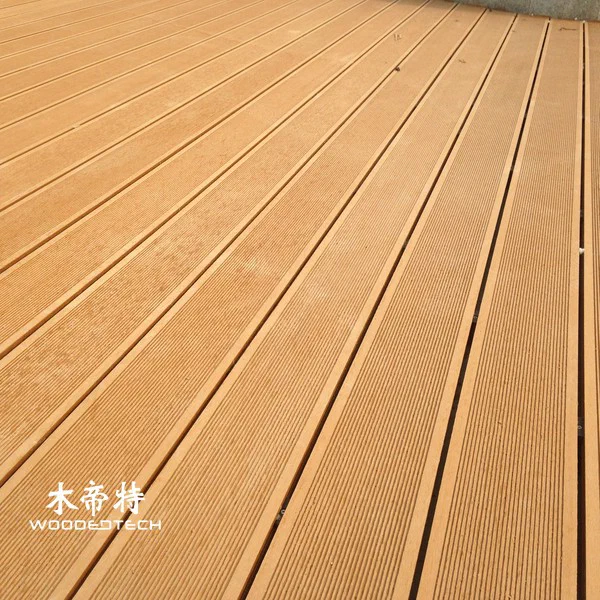
Composite decking colors are essential in shaping outdoor spaces, providing both aesthetic appeal and functionality. In 2023, modern design trends emphasize the importance of selecting the right shades to enhance the overall environment of your project. With a variety of colors, textures, and profiles available, designers and homeowners can create unique outdoor experiences that reflect personal style and complement nature.
Embracing Natural Hues
One significant trend in composite decking colors is the shift toward natural, earthy tones. Shades like warm browns, soft grays, and muted greens mimic the look of traditional wood while offering enhanced durability and low maintenance. These colors blend seamlessly into outdoor landscapes, making them ideal for residential patios or commercial spaces aiming for an organic feel. The inclusion of natural tones not only enhances the visual appeal but also creates a calming atmosphere, inviting relaxation and socializing.
Bold and Vibrant Options
While natural colors dominate the market, there is also a growing interest in bold and vibrant hues. Rich blues, deep reds, and striking blacks are making their mark in outdoor design. These colors serve as statement pieces, allowing for creative expression and personalization. For instance, a bright blue deck can create a lively focal point in a garden setting, while a dark black deck can add a touch of elegance and sophistication. When used thoughtfully, these vibrant shades can invigorate outdoor spaces and inspire unique design elements.

Textures and Finishes
The texture of composite decking plays a crucial role in both aesthetics and functionality. Modern designs incorporate various textures that mimic the look of natural wood grains, providing a tactile experience that enhances the visual appeal. 3D embossed composite decking, for instance, adds depth and dimension, making surfaces more visually interesting. Additionally, textured finishes can improve slip resistance, ensuring safety without compromising style. This combination of beauty and practicality is essential for outdoor spaces that are both inviting and functional.
Modular Design Trends
Modular designs are gaining traction in the realm of composite outdoor products, offering flexibility and ease of installation. These designs allow for customizable layouts, enabling homeowners and builders to create unique spaces tailored to their specific needs. Whether it’s a composite decking layout that accommodates a fire pit or a pergola that provides shade, modular components simplify the design process. This adaptability not only enhances the usability of outdoor spaces but also allows for easy updates and reconfiguration over time.
Profiles that Stand Out
The profile of composite decking boards contributes to the overall aesthetic and performance of outdoor structures. Different profiles can affect the visual lines of a deck, creating various design effects. Wide boards can provide a modern, sleek look, while narrower boards may evoke a more traditional feel. Additionally, profiles that include grooves or interlocking features can enhance drainage and reduce water pooling, ensuring longevity and maintaining the beauty of the decking.
Sustainability in Color Choices
As sustainability becomes increasingly important, many manufacturers are focusing on eco-friendly composite materials. Choosing colors that reflect this commitment can enhance the overall appeal of outdoor spaces. Shades made from recycled materials not only reduce environmental impact but also offer unique, varied tones that can set a space apart. This emphasis on sustainable practices is a trend that resonates well with environmentally conscious consumers, making it an attractive option for many projects.
Incorporating the right colors, textures, and design features in composite decking and outdoor products can significantly enhance outdoor spaces. By embracing modern trends, designers can create visually stunning environments that are both functional and sustainable, ensuring that outdoor areas remain inviting for years to come.
Related Articles
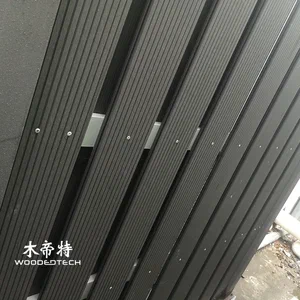 Exploring Composite Decking Colors: Trends and Innovations for 2023
 coffee composite decking creates warm natural looking outdoor spaces with modern wood plastic materials
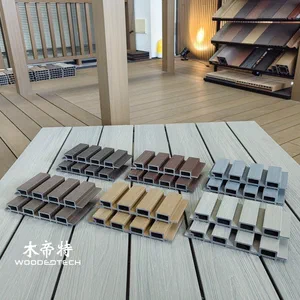 Composite decking light grey provides a modern color choice for stylish outdoor living spaces
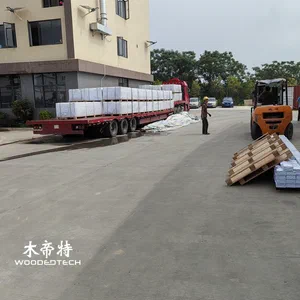 coffee composite decking creates warm outdoor spaces with elegant wood inspired colors
Related Products
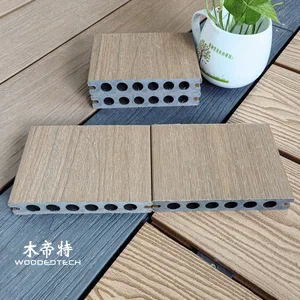 GD13823 Double Sided Flat Surface Co Extruded WPC Decking Features a Popular Width and Thickness with Round Hollow Structure
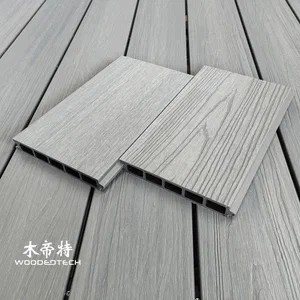 3DGL18024 Composite Decking Fence Features Premium Co Extruded 3D Embossed Antique Wood Grain Texture with Realistic Natural Wood Fibers
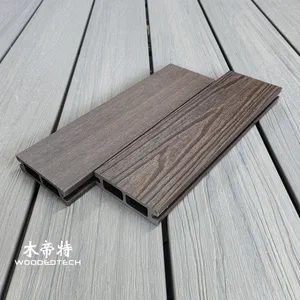 3DGL9024 Composite Decks and Railings Feature Premium Co Extruded 3D Embossed Rosewood Grain Texture with Realistic Natural Wood Fibers