
Explore Premium composite decking colors: Design Your Perfect Backyard
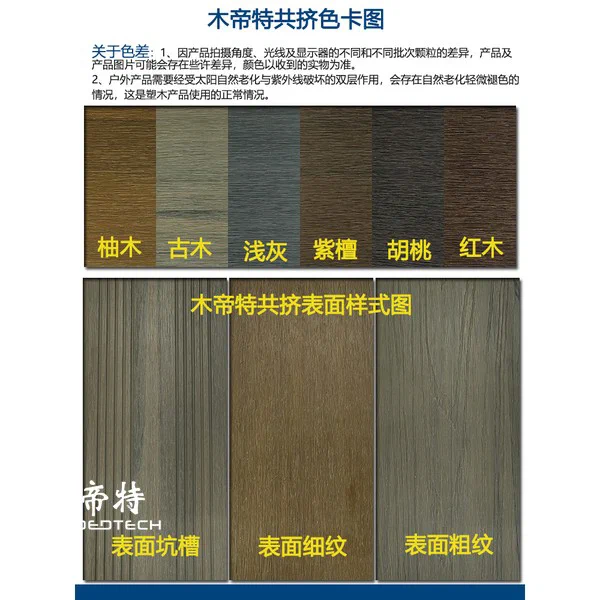
Premium composite decking colors help distributors, contractors, and project specifiers create outdoor spaces that look polished and stay practical year after year. The right color range can support modern residential builds, hospitality terraces, and commercial landscapes while keeping maintenance and replacement costs under control.
Why color matters in composite decking
Composite decking colors do more than define appearance. They influence how a project handles heat, visible wear, and design consistency across multiple sites. Neutral tones such as charcoal, grey, and sand remain popular because they pair easily with aluminum framing, glass balustrades, and exterior cladding systems.
For B2B buyers, color selection also affects market fit. Darker shades often suit premium commercial decks and upscale private developments, while lighter wood-inspired tones can make compact outdoor areas feel larger and more inviting. A balanced color portfolio gives resellers and contractors more flexibility when matching client expectations.

Popular color ranges for commercial use
Most premium collections include a mix of natural and contemporary finishes:
- Warm teak and brown tones for a classic timber look
- Grey and driftwood shades for modern architectural projects
- Deep charcoal and black for high-contrast, urban designs
- Two-tone and textured finishes for added depth and realism
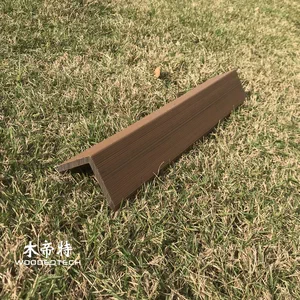
These options work well across composite deck boards, stairs, and perimeter trims. When a supplier offers consistent color batches, it becomes easier to manage large orders and keep finishes uniform across phased developments.
Performance and project value
Good composite decking colors should hold their appearance under sunlight, moisture, and heavy foot traffic. UV-stable pigmentation and capped surfaces help reduce fading, staining, and cleaning time. That matters for hotels, schools, retail courtyards, and public walkways where appearance and uptime both matter.
Color also contributes to safety and usability. Mid-tone shades can reduce glare, while textured surfaces improve visual definition on steps and transitions. For buyers comparing composite decking price and lifecycle value, a stable color finish often delivers stronger long-term returns than low-cost alternatives that need frequent replacement.
Choosing the right supplier
Look for a manufacturer that can support wholesale orders, custom matching, and steady lead times. Buyers should ask about color consistency, sample availability, and whether the product line includes matching accessories such as fascia boards, railing, and fascia trims. A reliable partner should also understand export requirements and commercial project timelines.
FAQ
Q: Which composite decking colors are most popular for commercial projects? A: Grey, teak, charcoal, and warm brown tones are the most common choices. They are versatile, professional-looking, and easy to pair with modern outdoor materials.
Q: Do darker composite decking colors fade faster? A: High-quality capped products are designed to resist UV damage and color loss. Dark shades may absorb more heat, but they can still perform well with proper material selection.
Q: Can suppliers provide custom composite decking colors for large orders? A: Many manufacturers offer custom color development for OEM or bulk projects. This is useful when a brand or developer needs a specific design match.
Related Articles
Related Products
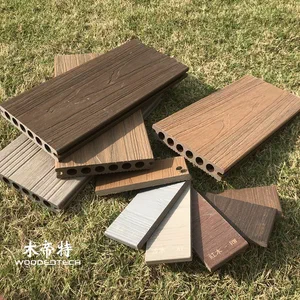
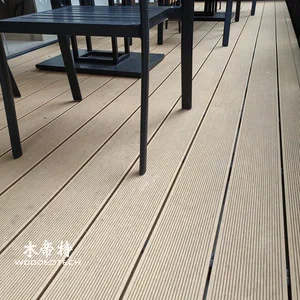
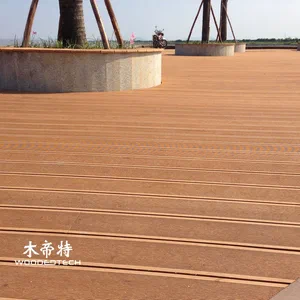
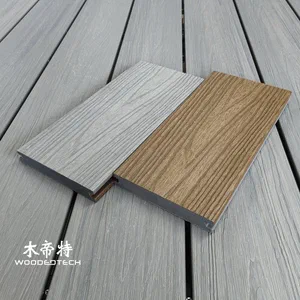 Second Generation Two Color Co Extruded 3D Embossed 3DGD14023S Composite Wood Deck Boards Feature an Extremely Realistic Antique Wood and Teak Grain Texture
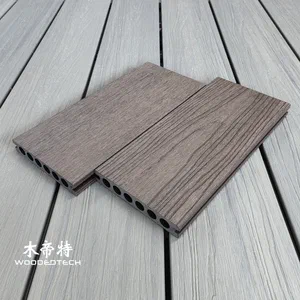 3DGD13823 Second Generation 3D Embossed Rosewood Composite Balcony Decking Delivers Ultra Realistic Wood Grain Texture and a Premium Natural Wood Experience
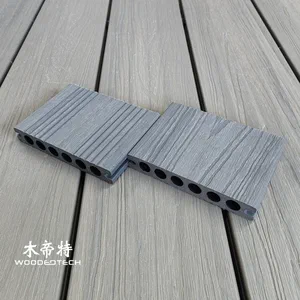 GD13823-3 Light Grey Premium Co Extrusion WPC Composite Decking Offers LG Texture and Excellent UV Resistance for Outdoor Spaces