
Expert Guide to wpc cladding installation: Step-by-Step Instructions
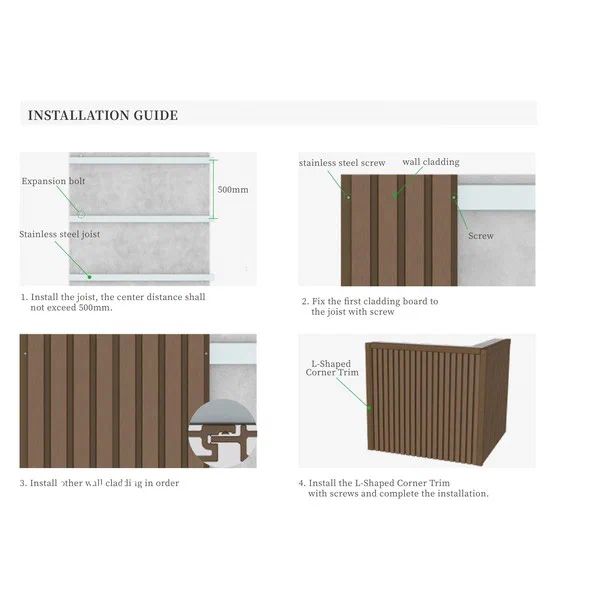
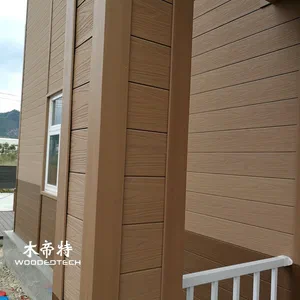
WPC cladding installation is a practical way to upgrade exterior walls with a durable, low-maintenance finish. For B2B projects, the key is not just appearance but a clean, weather-ready system that installs efficiently and performs consistently across larger surface areas.
Preparation and layout
Before installation begins, confirm the substrate is flat, dry, and structurally sound. WPC cladding should be installed over an even batten framework with proper ventilation behind the panels, especially on exterior walls where moisture control matters. Check panel lengths, batch consistency, and the planned fixing direction before work starts.
Accurate layout saves time on site. Mark reference lines, set the first row perfectly level, and calculate cutting waste in advance. For commercial projects, this step is important because even a small alignment error will carry across the full elevation and affect both finish quality and labor efficiency.

Fixing the cladding
Use the manufacturer’s recommended clips, screws, or hidden fastening system, depending on the panel profile. Leave the specified expansion gaps at joints, corners, and termination points so the material can move with temperature changes. This is especially important for long façades and sun-exposed elevations.
Install panels from bottom to top or according to the profile design, locking each course securely before moving upward. Keep consistent spacing at all battens and make sure cut edges are neat and protected where required. Around windows, doors, and corners, use proper trims to keep the system weather-tight and visually clean.
Quality control on site
Once a section is installed, inspect alignment, fastening strength, and joint consistency. Look for trapped debris behind panels, uneven clip engagement, or visible bowing caused by irregular battens. A quick check at each stage prevents rework later, which is critical on time-sensitive industrial and retail projects.
WPC cladding is widely chosen because it balances wood-like appearance with better resistance to moisture, rot, and routine maintenance demands. For distributors, contractors, and project specifiers, that makes it a strong option for offices, warehouses, commercial façades, and hospitality buildings that need dependable exterior performance.
Practical installation tips
- Store panels flat and protected before use
- Acclimate materials to site conditions when recommended
- Use corrosion-resistant fixings for outdoor applications
- Allow movement gaps at ends and around accessories
- Follow the supplier’s technical guide for profile-specific details
FAQ
Q: Can WPC cladding be installed directly on a wall? A: It should not be fixed directly to the wall in most cases. A batten or subframe system is usually needed for ventilation, leveling, and secure fastening.
Q: Is WPC cladding suitable for commercial exterior projects? A: Yes. It is commonly used for exterior wall applications because it offers stable performance, low maintenance, and a consistent finish across large areas.
Q: What is the most common installation mistake? A: The most common issue is poor spacing or an uneven subframe. Both can lead to visible misalignment and reduced long-term performance.
Related Articles
Related Products
 B14011 WPC Paneling Sheets Feature Double Flat Surfaces with Heat Pressed Wood Grain Designs for Outdoor Styles
 B7112 WPC Panel Design Exterior Boards Offer Stocked Fence Strips for Outdoor Decoration and Edge Finishing
 WPC Decking Accessories Provide Complete Installation Components for Professional Outdoor Flooring Projects