Expert Comparison: is wood or composite decking better for Your Backyard
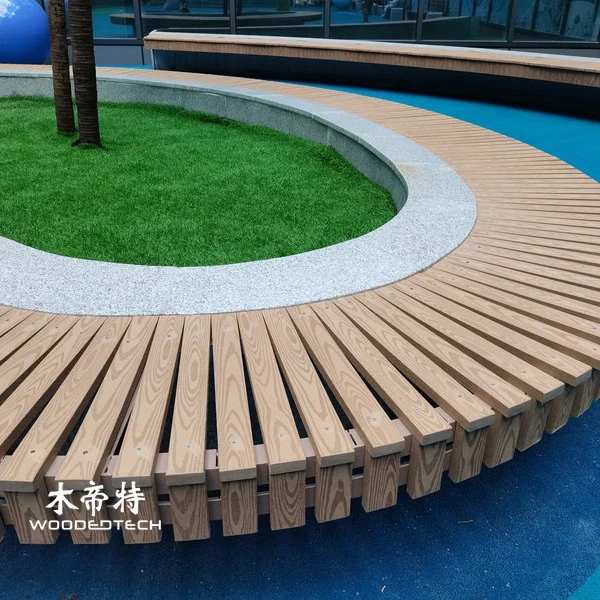
For backyard projects, composite decking is usually the stronger long-term choice when buyers weigh maintenance, consistency, and lifecycle cost against upfront price. Wood decking still has a place where initial budget and a natural look matter most, but it demands more upkeep and carries more variation from board to board.
Performance and Maintenance
Natural wood can look premium at installation, yet it is exposed to moisture, UV, splintering, warping, and insect damage. In a backyard setting, that means more sealing, staining, sanding, and replacement over time. For distributors, contractors, and developers, this creates service calls and recurring maintenance questions that can reduce customer satisfaction.
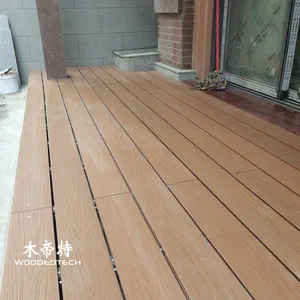
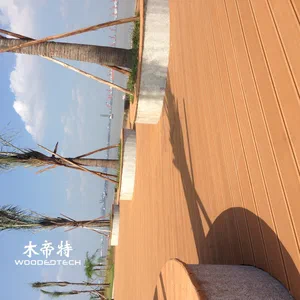
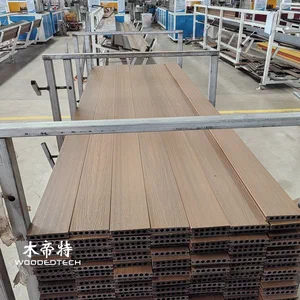
Composite decking is engineered for stability and repeatable appearance. It typically resists fading, cracking, and rot far better than untreated lumber, which makes it easier to specify for residential backyards, hospitality spaces, and multi-unit outdoor areas. It also supports better planning because color, thickness, and surface finish are easier to standardize across larger orders.
Cost, Supply, and ROI
Wood often wins on first cost, especially for pressure-treated options. But once labor, coatings, upkeep, and shorter service life are included, the price gap narrows quickly. That is why many B2B buyers now compare composite or wood decking on total cost of ownership rather than material price alone.
Composite decking can deliver stronger ROI in markets where labor is expensive or maintenance access is limited. A backyard installed with composite boards usually needs less seasonal attention, which lowers long-term warranty risk and preserves the project’s visual quality. For wholesalers and project specifiers, this can also support simpler inventory planning because fewer finish-related variables need to be managed.
Where Wood Still Makes Sense

For most modern backyard applications, composite decking is the safer default recommendation. It offers better durability, more predictable appearance, and less maintenance pressure for the end user. Wood remains viable for budget-driven projects, but composite is usually the better answer when the buyer values long-term performance and fewer callbacks.
FAQ
Q: Is composite decking always better than wood? A: Not always. Composite is usually better for durability and low maintenance, while wood can be better for lower upfront cost and a classic look.
Q: Which material has lower lifetime cost? A: Composite often has the lower lifetime cost because it reduces staining, sealing, repairs, and early replacement.
Q: Is wood or composite decking better for backyard resale value? A: Composite often supports stronger resale appeal because it looks consistent and is easier for future owners to maintain.