Expert Advice: Is Plastic Wood Filler Good for Outdoor Board Repair?
Plastic wood filler can be useful for outdoor board repair, but it is not a universal fix. For B2B buyers, contractors, and facility teams, the right choice depends on the board material, the size of the damage, and the environmental load the repair must survive.
When Plastic Wood Filler Works
Plastic wood filler is generally suited to small surface defects such as nail holes, shallow dents, chipped corners, and minor cracks. It can improve appearance quickly and help prepare boards for coating or repainting. On painted or semi-protected exterior boards, a high-quality exterior-grade filler can buy time and reduce replacement costs.
It is less reliable when the board is exposed to constant water, UV, freeze-thaw cycles, or repeated movement. Once a repair area needs structural strength, filler alone is usually not enough. In those cases, patching, reinforcement, or board replacement gives a better long-term result.
Key Limits in Outdoor Use
The main issue is movement. Wood expands, contracts, and checks outdoors, while many plastic wood fillers are more rigid after curing. If the board flexes, the repair can crack, debond, or telegraph through the finish. Moisture ingress is another concern, because trapped water can weaken the bond and accelerate decay around the repaired zone.
For manufacturers and maintenance teams, this means plastic wood filler should be treated as a cosmetic repair material, not a structural restoration product. It is best used where the damage is stable, dry, and accessible for proper surface preparation. Cleaning, drying, sanding, and priming matter more outdoors than they do in interior applications.
Better Options for Demanding Boards
For exterior boards in commercial settings, epoxy repair systems, exterior-grade wood putty, two-part fillers, or board replacement may be more appropriate. Composite and WPC boards often need manufacturer-approved repair methods, because incompatible fillers can affect surface texture, color match, and weathering performance.
If the application is on decking, cladding, railing, or facade components, the decision should also consider safety and warranty exposure. A fast repair that fails in one season can cost more than a controlled replacement. Buyers sourcing materials at scale should ask whether the repair product is rated for UV exposure, water resistance, and paint compatibility.
Practical Buying Guidance
Before selecting a filler for outdoor board repair, verify:
- substrate type: solid wood, engineered wood, composite, or WPC
- exposure level: direct sun, standing water, coastal air, or shaded dry use
- repair size: pinholes versus edge loss or deep structural damage
- finishing plan: paint, stain, or exposed natural surface

FAQ
Q: Is plastic wood filler waterproof? A: Some exterior formulas are water-resistant, but few are truly waterproof in long-term outdoor exposure. Always check the product rating and intended substrate.
Q: Can plastic wood filler be used on composite decking boards? A: Sometimes for cosmetic chips or scratches, but only if the manufacturer allows it. For larger damage, replacement is usually the better choice.
Q: Does plastic wood filler last outside? A: It can last for minor repairs in protected areas, but direct weather exposure shortens service life. Surface prep and top coating strongly affect durability.
Related Articles
Related Products
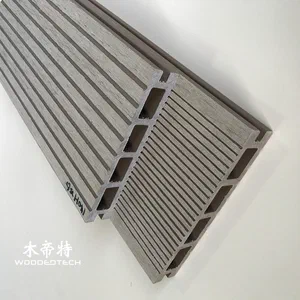 D14025-3 Composite Lumber for Decks Features a Classic Double Sided Groove Design with Excellent Value for Outdoor Projects
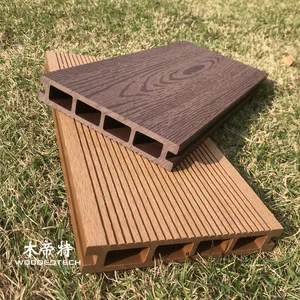 D14025-4 Composite for Decking Provides Stable Performance and Reliable Quality as a Popular Choice for Outdoor Projects
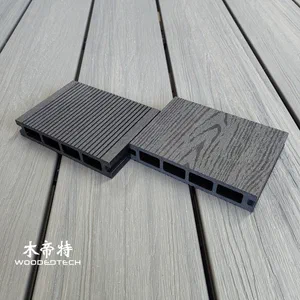 D14025-4 WPC Decking Boards Feature a Flat Wood Grain Surface with Black Ebony Heartwood Ring Grain for Outdoor Applications