
Evergrain Composite Decking Alternatives with Natural Wood Grain Texture
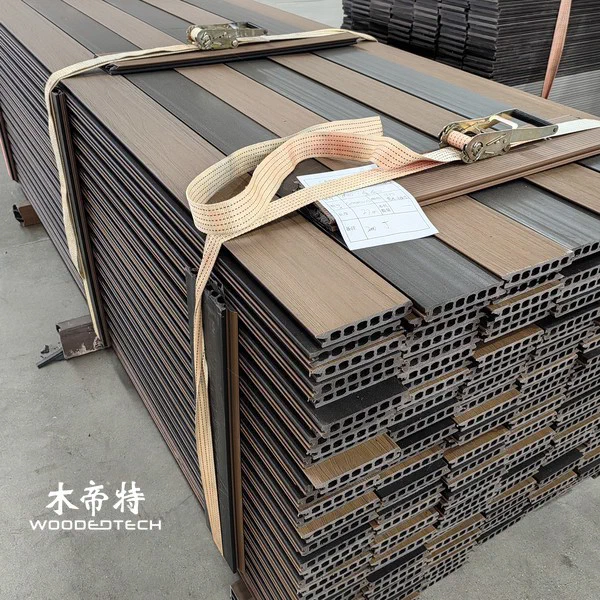
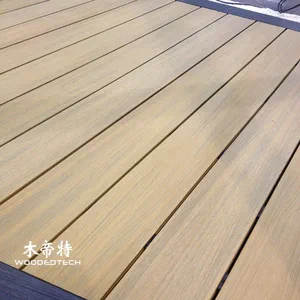
Evergrain composite decking alternatives with natural wood grain texture give buyers a realistic timber look with better moisture resistance, lower maintenance, and more stable performance for outdoor projects. For distributors, contractors, and project specifiers, these products are a practical option when wood appearance matters but long service life and easy upkeep matter more.
Why natural wood grain texture matters
A strong wood grain finish helps composite decking blend into residential, hospitality, and commercial landscapes without the problems tied to traditional timber. It supports a premium visual effect while reducing issues such as splintering, frequent sealing, and uneven weathering. For B2B buyers, that balance can improve project acceptance and reduce after-sales maintenance calls.
Natural grain surfaces are also useful in product differentiation. When comparing evergrain-style alternatives, buyers often look for:
- authentic wood-like texture
- consistent color batches
- slip resistance for outdoor use
- UV and weather resistance
- low maintenance requirements
These features make the material easier to position across garden decks, terrace walkways, pool surrounds, and mixed-use developments.
Key product considerations for buyers
When sourcing composite decking alternatives, pay attention to the surface structure, core stability, and coating type. Embossed and co-extruded boards usually offer a more convincing grain pattern and better stain resistance than basic unprotected products. If the project needs a longer service cycle, capped composite decking or co-extrusion options are often the safer choice.
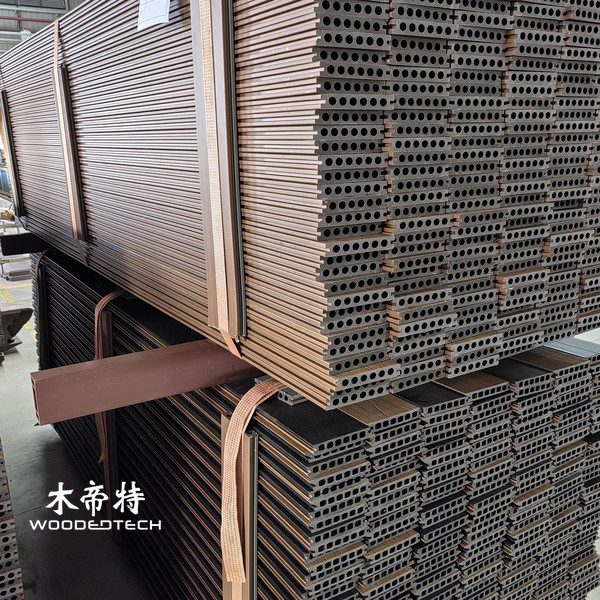
Thickness, board profile, and installation system also affect performance. Hollow boards may suit light commercial applications, while solid boards are often preferred for heavy traffic or premium builds. Buyers should confirm compatibility with joists, clips, trims, and stair components before placing bulk orders.
Commercial sourcing and project value
For importers and wholesalers, the best alternative is not only about appearance. It must also support stable supply, predictable pricing, and repeatable quality. Products designed as wpc decking or wood plastic composite decking can be manufactured in multiple colors and textures, which helps serve different regional markets and project budgets. This flexibility is especially valuable for private-label programs and large-scale outdoor construction.
Where these alternatives fit best
Natural wood grain composite decking works well in:
- hotel and resort terraces
- public walkways and outdoor seating areas
- villa gardens and roof decks
- poolside platforms
- retail and leisure landscaping

FAQ
Q: What is the main advantage of evergrain composite decking alternatives? A: They deliver a wood-like appearance with better resistance to moisture, fading, and routine wear. That makes them suitable for projects that need both aesthetics and durability.
Q: Are natural wood grain composite boards suitable for commercial projects? A: Yes, especially for terraces, walkways, and hospitality spaces. Buyers should choose the right surface finish and load-bearing profile for the expected traffic.
Q: Should I choose capped or uncapped composite decking? A: Capped products usually offer stronger stain and weather resistance, making them a better option for demanding outdoor applications. Uncapped boards may fit lower-budget projects where performance demands are moderate.
Related Articles
Related Products
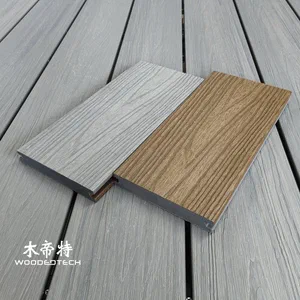 Second Generation Two Color Co Extruded 3D Embossed 3DGD14023S Composite Wood Deck Boards Feature an Extremely Realistic Antique Wood and Teak Grain Texture
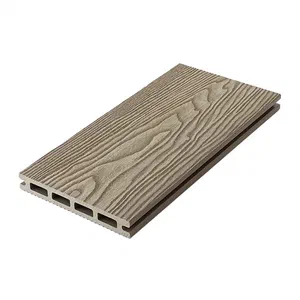 3D14521.5 First Generation 3D Embossed Plastic Wood Decking Boards Combine Realistic Three Dimensional Texture with Long Lasting Outdoor Performance
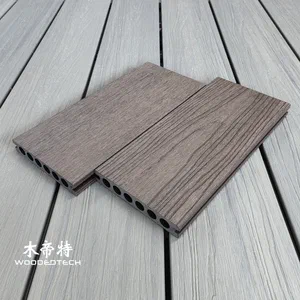 3DGD13823 Second Generation 3D Embossed Rosewood Composite Balcony Decking Delivers Ultra Realistic Wood Grain Texture and a Premium Natural Wood Experience