
Evaluating wpc flooring tiles for Durability, Performance, and Supply Chain Efficiency
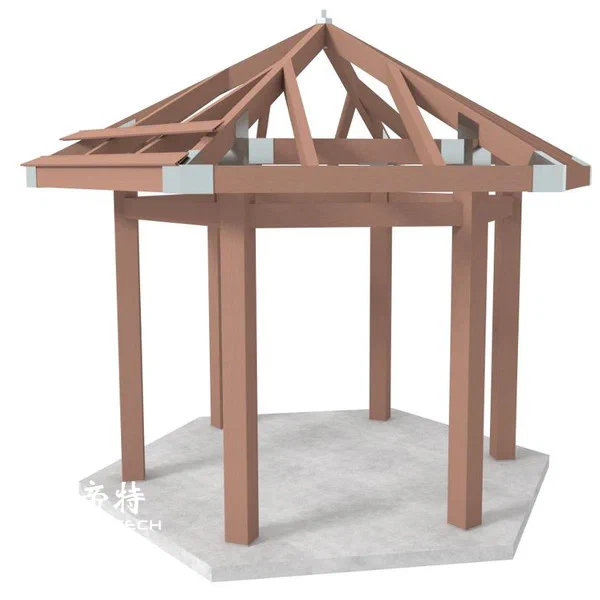
WPC flooring tiles should be inspected before shipment to confirm that they meet dimensional, mechanical, physical, and visual quality requirements. A structured inspection process helps buyers assess product durability, maintain consistent performance across production batches, and avoid costly problems during transportation, installation, and long-term outdoor use. For importers and distributors, reliable quality control also plays an important role in supply chain efficiency.
1. Dimensional Accuracy and Product Consistency
Dimensional inspection is one of the first steps in evaluating WPC flooring tiles. Even small variations in length, width, thickness, or interlocking structure can cause installation difficulties, uneven surfaces, and visible gaps between tiles.
Quality inspectors should select samples randomly from different cartons and measure them using calibrated digital calipers, thickness gauges, and measuring tapes. The main dimensions to check include:
- Tile length and width
- Overall thickness
- Interlocking connector dimensions
- Surface flatness
- Edge straightness and squareness
Inspectors should compare the measured results with approved product drawings and purchase specifications. For interlocking WPC tiles, connector accuracy deserves particular attention because inconsistent locking structures can prevent tiles from fitting securely.
Dimensional tolerances should be agreed upon before mass production. Consistent dimensions make installation faster, reduce material waste, and help distributors avoid customer complaints caused by incompatible or poorly fitted tiles.
2. Density Testing for Material Quality
Density testing helps determine whether WPC flooring tiles have a consistent material structure. WPC products are generally manufactured using a combination of wood fibers or wood flour, thermoplastics, and functional additives. Variations in raw material ratios, mixing, and extrusion conditions can affect the finished product’s density.
The inspection team can determine density by measuring a sample’s mass and volume. For regular-shaped samples, volume can be calculated from measured dimensions. For irregular structures, an appropriate displacement or laboratory measurement method may be required.
Inspectors should pay attention to:
- Density consistency between production batches
- Internal voids or unexpected material gaps
- Differences between solid and hollow structural sections
- Unusual weight variations between identical tiles
Higher density does not automatically mean better quality. Excessive density may increase product weight and transportation costs without delivering a proportional improvement in performance. The objective is to maintain the density range established in the approved technical specification.
For buyers purchasing wholesale WPC flooring tiles, consistent density helps ensure predictable product performance and more accurate shipping calculations.
3. Impact Resistance Testing
Outdoor flooring tiles are regularly exposed to dropped tools, moving furniture, foot traffic, and accidental impacts. Impact resistance testing evaluates how well the material withstands sudden mechanical forces without cracking, breaking, or developing significant surface damage.
A common inspection method involves dropping a specified impact weight from a controlled height onto a prepared sample. The test conditions, including impact weight, drop height, sample support, and testing temperature, should remain consistent.
After testing, inspectors examine the sample for:
- Surface cracks and fractures
- Broken interlocking connectors
- Permanent deformation
- Chipping around edges and corners
- Damage to the internal structure

For outdoor WPC flooring, the interlocking system is particularly important. A tile may have a durable walking surface but still fail during installation or use if its connectors are too brittle.
Buyers should establish acceptable impact performance according to the intended application. Products designed for residential balconies may have different requirements from tiles used in commercial outdoor areas.
4. Water Absorption and Moisture Resistance
Water absorption is a critical quality indicator for outdoor WPC flooring tiles because these products are frequently exposed to rain, humidity, cleaning water, and changing weather conditions.
During inspection, samples are weighed before testing and then immersed in water under controlled conditions. After the specified exposure period, they are removed, surface moisture is carefully wiped away, and their weight is measured again.
The water absorption rate can be calculated using:
Water absorption (%) = [(Final weight - Initial weight) / Initial weight] × 100
Inspectors should also check for dimensional changes, swelling, surface separation, and other visible damage after immersion.
Low water absorption generally indicates better resistance to moisture penetration. However, results depend on the material formulation, surface structure, manufacturing process, and test conditions.
For buyers sourcing outdoor WPC flooring, this test is especially relevant when products will be installed around swimming pools, garden pathways, balconies, and other moisture-exposed areas.
It is important to distinguish water resistance from waterproof performance. WPC tiles can resist moisture without being completely impermeable, particularly around cut edges, joints, and exposed internal structures.
5. Color Stability and UV Resistance
Outdoor WPC flooring must maintain an acceptable appearance despite prolonged exposure to sunlight, rain, and temperature fluctuations. UV exposure can gradually cause fading, discoloration, and surface degradation.
Color stability testing typically uses a UV weathering chamber or accelerated weathering equipment. Samples are exposed to controlled ultraviolet radiation, temperature, and moisture cycles for a specified period.
Before and after testing, inspectors compare the samples using a colorimeter or spectrophotometer. Color differences can be evaluated using the ΔE value.
The inspection should consider:
- Color differences between production batches
- Fading after UV exposure
- Uneven discoloration
- Surface chalking or degradation
- Changes in surface texture and finish
For wood-grain WPC flooring tiles, maintaining consistent color and texture is particularly important because visible differences can affect the appearance of an entire installation.
Buyers should approve physical color samples before production and establish acceptable color variation limits. This makes incoming quality checks easier and reduces disputes between manufacturers and overseas distributors.
6. Bending Strength and Load-Bearing Performance
Bending strength testing evaluates how well WPC flooring tiles withstand loads without excessive deformation or structural failure. This is important for outdoor applications where tiles may support people, furniture, planters, and other objects.
A typical bending test uses a universal testing machine. The sample is positioned on two supports, and a controlled force is applied at a specified point until the required deformation or failure condition is reached.
The inspection team records relevant measurements, including:
- Maximum load before failure
- Flexural strength
- Deflection under load
- Permanent deformation
- Cracking or structural failure
For interlocking outdoor tiles, testing should consider the actual installation structure rather than evaluating only an isolated surface section. The supporting base, connector design, tile thickness, and internal structure all influence load-bearing performance.
Test requirements should reflect the intended application and installation conditions. A product designed for light residential foot traffic should not automatically be considered suitable for heavy commercial loading.
7. Appearance Inspection and Final Shipment Approval
Mechanical and physical testing cannot identify every quality problem. A separate appearance inspection is necessary to confirm that finished WPC flooring tiles meet the buyer’s visual requirements.
Inspectors should examine samples under consistent lighting conditions and check both the surface and the edges. Particular attention should be paid to:
- Scratches, cracks, dents, and chipped corners
- Uneven colors or visible color differences
- Surface bubbles and extrusion marks
- Poorly formed wood-grain patterns
- Burrs and rough edges
- Deformed or damaged connectors
- Oil stains, contamination, and other surface defects
Packaging inspection is also part of the final quality control process. Inspectors should verify carton strength, product quantity, protective materials, labeling, and shipping marks. Cartons must protect the tiles from impact, moisture, and movement during transportation.
A practical pre-shipment inspection should follow an agreed sampling plan, such as an AQL-based inspection system, with acceptance criteria established before production. Critical, major, and minor defects should be classified separately to ensure consistent decisions.
8. Connecting Product Quality with Supply Chain Efficiency
Pre-shipment inspection is not simply a final manufacturing checkpoint. It directly influences purchasing decisions, inventory management, shipping schedules, and customer satisfaction.
When WPC flooring tiles are tested consistently, buyers can identify production problems before goods leave the factory. This reduces the risk of receiving defective shipments, arranging expensive replacements, or dealing with installation complaints after delivery.
For overseas importers, an effective quality inspection process should include approved technical specifications, retained reference samples, batch inspection records, test reports, and final packaging verification. Manufacturers should also maintain traceability between raw material batches, production dates, inspection results, and shipping cartons.
Clear communication between buyers, quality inspectors, and production teams helps prevent misunderstandings about acceptable tolerances and performance requirements. It also makes it easier to investigate defects and implement corrective actions when inspection results fall outside the agreed limits.
Reliable WPC flooring suppliers understand that product quality and supply chain performance are closely connected. Consistent testing before shipment gives buyers greater confidence in product durability, installation compatibility, and delivery reliability, while helping manufacturers build stronger long-term relationships with international customers.
Related Articles
 Industrial Guide to wpc flooring tiles for Commercial Projects
 How Composite Interlocking Deck Tiles Streamline Large-Scale Outdoor Flooring Projects
 Outgarden WPC Fliese: Industrial Applications, Benefits and Selection Criteria
 Plastic Wood Tiles: Industrial Applications, Benefits, and Market Trends 2026