
Evaluating Top Brands of Composite Decking for Sustainable Building Solutions
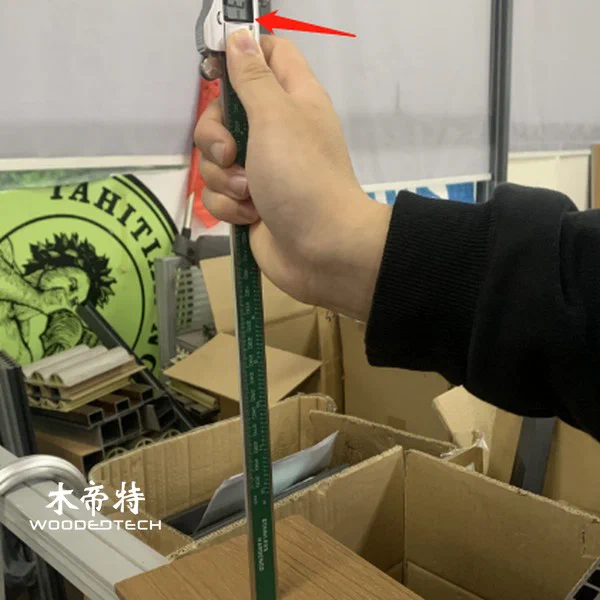
Outdoor wood plastic composite (WPC) is increasingly recognized as a sustainable alternative for various building applications. This environmentally friendly material combines recycled resources with innovative manufacturing processes to minimize environmental impact while providing a long-lasting solution for outdoor spaces.
Recycled Materials
One of the key advantages of outdoor WPC is its composition, which typically includes a blend of recycled wood fibers and plastic. By utilizing these materials, WPC reduces the need for virgin wood, effectively conserving forests and reducing deforestation. The use of recycled plastics also helps divert waste from landfills, contributing to a circular economy. This approach not only promotes sustainability but also supports the reduction of greenhouse gas emissions associated with traditional wood production.

Reduced Wood Consumption
Choosing WPC for outdoor applications significantly lowers the demand for timber. Traditional wood decking requires timber that can take decades to mature, leading to unsustainable logging practices. WPC, on the other hand, provides a similar aesthetic to natural wood while drastically cutting down on the amount of wood required. This reduction is crucial for maintaining healthy ecosystems and biodiversity, as it alleviates pressure on forests and encourages responsible resource management.
Durability
Outdoor WPC is engineered to withstand the elements, making it a highly durable alternative to conventional wood. Its resistance to rot, decay, and insect damage means that it can last much longer than traditional wood decking without the need for frequent replacements. This longevity not only contributes to less waste but also reduces the need for additional resources spent on maintenance and repairs. Homeowners and businesses alike benefit from the reliability of WPC, knowing they have made a sustainable choice that will endure over time.
Low-Maintenance Advantages
Another significant advantage of WPC is its low-maintenance nature. Unlike traditional wood, which often requires staining, sealing, and regular upkeep to maintain its appearance and structural integrity, WPC can be easily cleaned with soap and water. This ease of maintenance translates to lower labor costs and reduced use of chemical treatments, making it an ideal choice for eco-conscious consumers. The time saved on upkeep allows homeowners to enjoy their outdoor spaces without the added burden of constant maintenance.
Related Articles
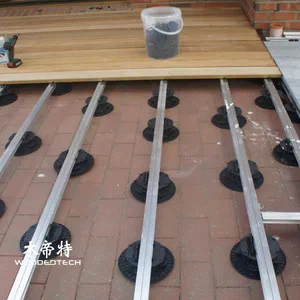 Exploring WPC Plywood: The Future of Sustainable Building Materials in 2023
 Innovative WPC Decking Platform Solutions for Sustainable Outdoor Spaces in 2023
 WPC Cladding Wall Solutions Provide Decorative and Protective Exterior Building Surfaces
 WPC Building Materials Provide Sustainable Solutions For Modern Construction And Outdoor Projects
Related Products
 GD13823-3 Composite Boards for Decking Are Available in Multiple Stock Colors with 3 Meter Lengths and Single Piece Delivery
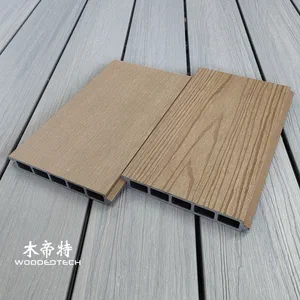 3DGL18024 WPC Longboard Fence Features Premium Co Extruded 3D Embossed Teak Wood Grain Texture with Realistic Natural Wood Fibers
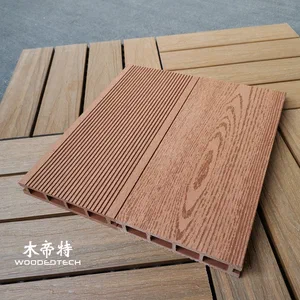 The Classic D14025-4 Red Wood WPC Wood Sheet Features a Timeless 2D Flat Wood Grain Design That Remains Popular After Twenty Years