
Evaluating Safety Standards: Is WPC Flooring Toxic for Commercial Use in 2023?
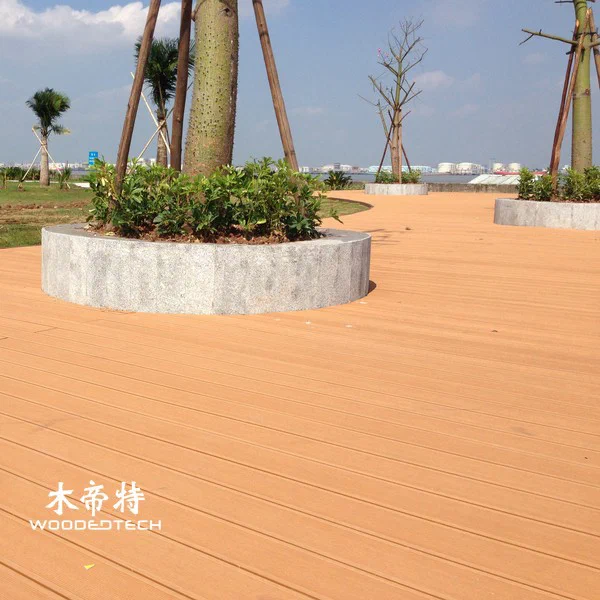
Outdoor wood-plastic composite (WPC) is gaining popularity as an environmentally friendly alternative in the construction and landscaping sectors. This innovative material combines recycled plastic and wood fibers, making it a sustainable choice that addresses both environmental concerns and performance requirements.
Recycled Materials
One of the key features of outdoor WPC is its composition. It is primarily made from recycled materials, including plastic bags, bottles, and wood scraps. The use of these recycled components significantly reduces the demand for virgin materials, which in turn lowers the carbon footprint associated with production. By diverting waste from landfills, WPC contributes to a more sustainable waste management system while offering a practical solution for outdoor surfaces.
Reduced Wood Consumption
WPC also plays a vital role in reducing wood consumption. Traditional decking materials rely heavily on timber, which contributes to deforestation and habitat destruction. In contrast, WPC uses a combination of wood fibers and recycled plastics, minimizing the reliance on natural wood resources. This not only helps to preserve forests but also encourages the use of alternative materials that have a lower environmental impact.
Durability

Durability is another significant advantage of outdoor WPC. Unlike traditional wood, WPC is resistant to rot, insects, and moisture. This resilience means it can withstand harsh weather conditions without deteriorating over time. The long lifespan of WPC products reduces the need for frequent replacements, further contributing to its sustainability by decreasing the overall resource consumption associated with manufacturing and disposing of outdoor materials.
Low Maintenance
Outdoor WPC requires minimal maintenance compared to traditional wood options. Wood surfaces often need regular sealing, staining, or painting to maintain their appearance and functionality. In contrast, WPC products typically need only occasional cleaning with soap and water to keep them looking new. This low-maintenance requirement not only saves time and labor costs but also reduces the need for chemical treatments that can be harmful to the environment.
Related Articles
 Evaluating Top Brands of Composite Decking for Sustainable Building Solutions
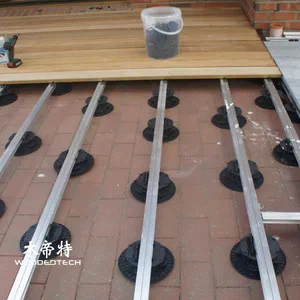 Exploring WPC Plywood: The Future of Sustainable Building Materials in 2023
 Innovative WPC Decking Platform Solutions for Sustainable Outdoor Spaces in 2023
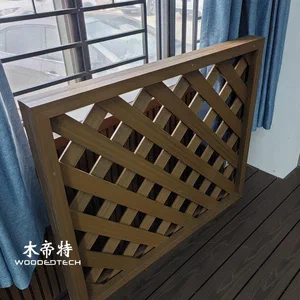 The Advantages of WPC Fence Outdoor Solutions for Industrial Applications in 2023
Related Products
 GD13823-3 Composite Boards for Decking Are Available in Multiple Stock Colors with 3 Meter Lengths and Single Piece Delivery
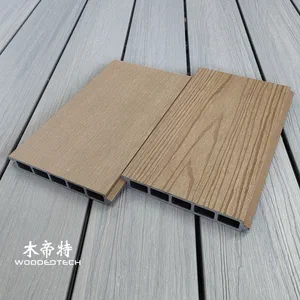 3DGL18024 WPC Longboard Fence Features Premium Co Extruded 3D Embossed Teak Wood Grain Texture with Realistic Natural Wood Fibers
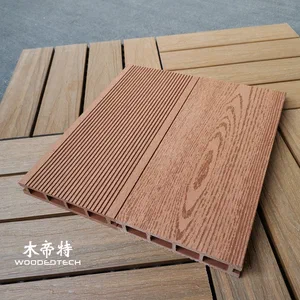 The Classic D14025-4 Red Wood WPC Wood Sheet Features a Timeless 2D Flat Wood Grain Design That Remains Popular After Twenty Years