
Evaluating Cost Factors: How Much Does Composite Decking Cost Per Square Foot?
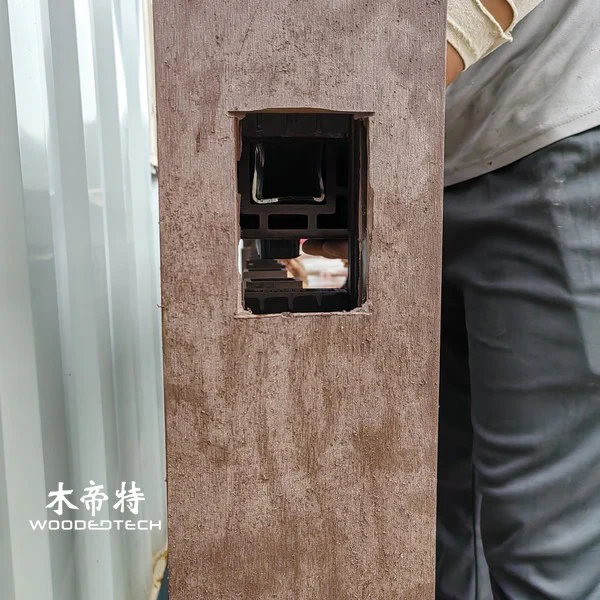
Professional manufacturers of composite decking implement structured processes to enhance mass production, ensuring efficiency, cost control, order management, and reliable delivery for international customers. This approach not only optimizes production but also fosters strong relationships with clients by meeting their needs consistently.
Organizing Mass Production
The foundation of effective mass production lies in meticulous planning and organization. Manufacturers often utilize advanced production techniques and technologies, such as automated machinery and lean manufacturing principles, to streamline workflows. This includes:
- Efficient layout design: Optimizing factory layouts to minimize material handling and reduce waste.
- Production scheduling: Employing just-in-time (JIT) manufacturing to align production closely with demand.
- Quality control systems: Implementing rigorous quality checks at various stages of production to ensure consistency.
These strategies enable manufacturers to produce high volumes of composite decking while maintaining quality standards.
Improving Efficiency

Efficiency in production is vital for competitive pricing and timely delivery. Manufacturers focus on several key areas to enhance efficiency:
- Employee training: Regular training programs ensure that workers are adept at using the latest technologies and production methods.
- Process optimization: Continuous assessment of production processes helps identify bottlenecks and areas for improvement.
- Supply chain management: Close collaboration with suppliers ensures that raw materials are available when needed, reducing delays.
By prioritizing these factors, manufacturers can significantly improve production speeds and reduce lead times.
Controlling Production Costs
Cost control is crucial for maintaining profitability while offering competitive pricing. Professional manufacturers adopt various strategies to manage production costs effectively:
- Bulk purchasing: Acquiring raw materials in bulk to benefit from economies of scale.
- Energy efficiency: Investing in energy-efficient machinery and processes to lower operational costs.
- Waste reduction: Implementing recycling and reuse strategies for materials to minimize waste and associated costs.
These measures help manufacturers maintain control over their expenses, allowing them to offer more attractive pricing for their products.
Managing Orders
Effective order management is essential for meeting customer expectations and ensuring smooth operations. Manufacturers utilize modern software solutions to manage orders efficiently:
- Integrated software systems: Implementing ERP (Enterprise Resource Planning) systems to track orders, inventory, and production schedules in real-time.
- Customer relationship management (CRM): Utilizing CRM tools to maintain communication with customers and manage their preferences and feedback.
- Order prioritization: Establishing criteria to prioritize orders based on customer needs and deadlines.
These systems provide manufacturers with the agility to respond to customer demands promptly.
Ensuring Stable Delivery
Reliable delivery is a key aspect of customer satisfaction. Manufacturers focus on several factors to ensure stability in their delivery schedules:
- Logistics partnerships: Collaborating with experienced logistics providers to optimize transportation routes and methods.
- Inventory management: Maintaining sufficient stock levels to buffer against unforeseen demand spikes while minimizing excess inventory.
- Performance tracking: Regularly reviewing delivery performance metrics to identify areas for improvement.
By implementing these strategies, manufacturers can ensure that they meet delivery commitments consistently while maintaining customer trust.
In the competitive landscape of composite decking, professional manufacturers leverage organized production processes, efficiency enhancements, cost control measures, effective order management, and stable delivery strategies to meet the needs of international customers. These practices not only support business growth but also contribute to customer satisfaction and loyalty.
Related Articles
 Composite Decking Affordable Solutions: Cost-Effective Options for B2B Buyers
 Competitive composite decking prices: Wholesale Rates for Your Project
 Evaluating Composite Deck Board Price Trends: Strategic Insights for Businesses in 2023
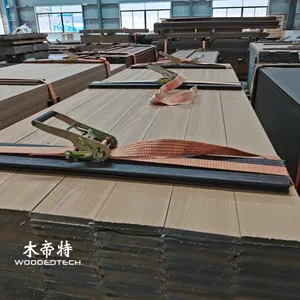 Wood Plastic Composite Price: Key Factors and Market Trends in 2026
Related Products
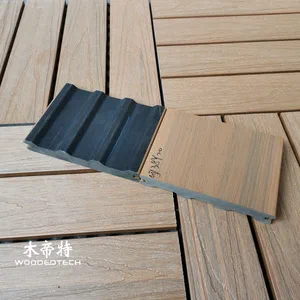 GD13820 M Shape Co Extruded Composite Deck Planks Feature a Special Profile Design for Distinctive Outdoor Decking Applications
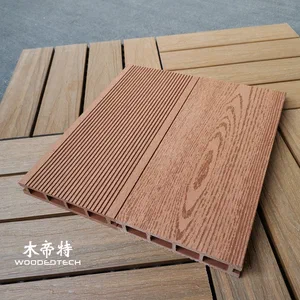 The Classic D14025-4 Red Wood WPC Wood Sheet Features a Timeless 2D Flat Wood Grain Design That Remains Popular After Twenty Years
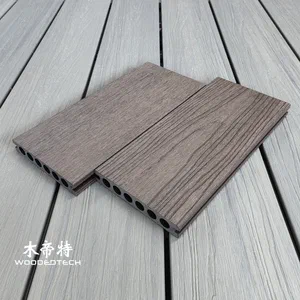 3DGD13823 Second Generation 3D Embossed Rosewood Composite Balcony Decking Delivers Ultra Realistic Wood Grain Texture and a Premium Natural Wood Experience