
Evaluating Composite Wood Decking Cost for Large-Scale Commercial Procurement
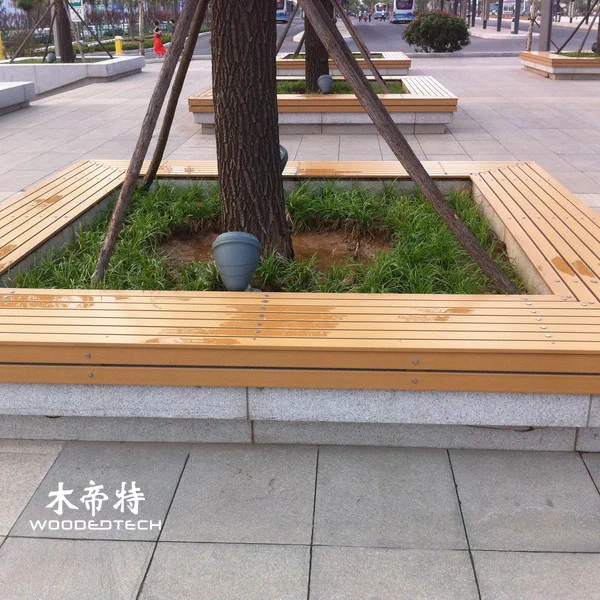
Large-scale commercial decking procurement requires more than comparing the initial price per square foot. Outdoor WPC decking, natural hardwood, traditional treated timber, aluminum, and other exterior materials differ in installation costs, durability, maintenance requirements, and expected service life. Evaluating these factors together helps developers, contractors, architects, and procurement teams identify the most cost-effective solution for long-term commercial projects.
Understanding the Cost Structure of Commercial Composite Decking
The cost of composite wood decking depends on several factors, including material composition, board dimensions, surface treatment, structural design, and order volume. For commercial buyers, the quoted price per board is only one part of the total investment. Supporting components, subframe systems, fasteners, transportation, installation labor, and future maintenance should also be included.
WPC decking is manufactured by combining wood fibers or wood flour with thermoplastic polymers and additives. This composition provides a wood-like appearance while improving resistance to moisture, insects, and weather exposure. Compared with conventional timber, WPC generally requires less routine treatment and does not need regular staining or sealing.
For large projects, procurement teams should distinguish between hollow and solid profiles, capped and uncapped boards, and standard and co-extruded products. Hollow boards can reduce material weight and initial purchasing costs, while solid boards may offer greater mass and suitability for certain demanding applications. Capped WPC products have an additional protective outer layer that can improve resistance to staining, fading, and moisture penetration. However, their purchase prices are generally higher.
Bulk purchasing can create opportunities for better unit pricing, consistent product specifications, and more efficient shipping arrangements. Buyers should also consider minimum order quantities, production lead times, packaging requirements, and replacement stock availability before confirming a supplier.
Comparing WPC with Natural Wood, Timber, and Aluminum
Natural hardwood remains popular in premium outdoor environments because of its authentic grain patterns, natural texture, and architectural appeal. Species such as teak and ipe offer good natural durability when properly selected and installed. However, high-quality hardwood can have substantial material costs, and availability may vary depending on species, sourcing restrictions, and regional supply chains.
Natural wood also requires periodic cleaning, sealing, oiling, or staining. Exposure to sunlight and moisture can cause fading, cracking, warping, and surface deterioration. For commercial facilities with extensive decking areas, these maintenance activities can create considerable labor and operational expenses.
Traditional pressure-treated timber is often more affordable at the purchasing stage. It is widely available, relatively easy to cut, and familiar to local contractors. Nevertheless, its appearance and performance may decline over time without appropriate maintenance. Commercial properties may need repeated treatment, board replacement, and structural inspections, increasing the total ownership cost.
Aluminum decking offers excellent resistance to rot, insects, and corrosion when manufactured with suitable protective finishes. It is lightweight, noncombustible, and suitable for projects with demanding fire-performance requirements. Its disadvantages include higher initial material costs in many markets, a distinctly metallic appearance, and potential heat buildup under direct sunlight. Its acoustic characteristics may also require additional design consideration.
WPC occupies a middle position between traditional timber and engineered metal decking. It combines a wood-inspired appearance with relatively low maintenance requirements. Although its initial cost can exceed that of basic treated timber, reduced finishing and replacement needs may improve its long-term financial performance.
Other alternatives, including porcelain pavers, natural stone, and concrete paving, can provide excellent durability. However, they may require heavier supporting structures, more complex installation, or additional drainage considerations. Their suitability depends on structural loading, accessibility, climate, and the intended architectural design.
Evaluating Lifecycle Costs and Maintenance Requirements
A reliable commercial procurement decision should consider the total cost of ownership rather than the initial material quotation alone. A practical lifecycle cost assessment includes:
- Initial material purchase and transportation.
- Subframe, joists, fasteners, and accessories.
- Installation labor and equipment.
- Routine cleaning and preventive maintenance.
- Repairs, replacements, and surface restoration.
- Inspection and disposal costs at the end of service life.
WPC decking typically requires routine washing with water and a suitable cleaning solution. Periodic inspections should check fasteners, drainage conditions, expansion gaps, and structural supports. Unlike untreated natural timber, it generally does not require recurring painting, staining, or protective oil applications.
Natural hardwood requires more frequent surface care, particularly in exposed environments. Pressure-treated timber also needs ongoing inspection for moisture damage, splitting, and deterioration. Aluminum generally requires relatively little maintenance, although coatings, joints, fixings, and drainage details should still be inspected.
It is important not to assume that every WPC product has the same service life. Material formulation, polymer quality, wood-fiber content, UV stabilizers, manufacturing consistency, installation conditions, and exposure levels all affect long-term performance. Commercial buyers should request documented durability data and warranty terms rather than relying exclusively on general product descriptions.
Factors That Influence Large-Scale Procurement Pricing
For large commercial developments, several purchasing decisions can significantly influence the final composite decking cost.
First, product specifications should match the actual application. Poolside walkways, hotel terraces, public parks, waterfront promenades, and restaurant outdoor seating areas have different requirements for slip resistance, drainage, load capacity, and weather exposure. Selecting a premium specification for every application may increase costs unnecessarily, while choosing an unsuitable low-cost product can lead to expensive repairs.
Second, supplier manufacturing capabilities matter. Buyers should evaluate production capacity, quality control procedures, material consistency, and the ability to maintain stable specifications across multiple production batches. Working directly with an experienced WPC manufacturer may provide better pricing flexibility, customization options, and technical support.
Third, logistics should be included in the purchasing calculation. Board length, container loading efficiency, packaging protection, shipping distance, import duties, and local handling charges can significantly affect delivered costs. A lower factory price does not automatically translate into a lower landed cost.
Finally, procurement teams should request samples, technical data sheets, installation guidelines, warranty documentation, and project references. Comparing quotations using identical specifications makes supplier evaluation more reliable and reduces the risk of unexpected costs after delivery.
Making a Cost-Effective Material Selection
The most suitable exterior decking material depends on project priorities, environmental conditions, expected usage, and available maintenance resources. Natural hardwood may justify its higher cost in projects where authentic timber appearance is essential. Treated timber remains an economical option for applications with limited budgets and accessible maintenance. Aluminum is worth considering where fire performance, noncombustibility, or specialized structural requirements are priorities.
For hotels, commercial terraces, public walkways, resorts, and large outdoor developments, WPC decking can offer a practical balance of appearance, durability, and maintenance efficiency. Its financial advantages become more relevant when recurring timber treatments and replacement expenses are considered across extensive installation areas.
Before placing a bulk order, buyers should compare at least three supplier quotations, calculate delivered project costs, and evaluate expected maintenance over the intended service period. A well-specified product from a reliable manufacturer, supported by consistent quality control and appropriate installation, can deliver better long-term value than simply selecting the lowest-priced decking boards.

Related Articles
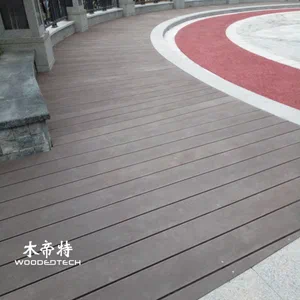 Composite Decking vs Pressure Treated Wood: A B2B Material Comparison
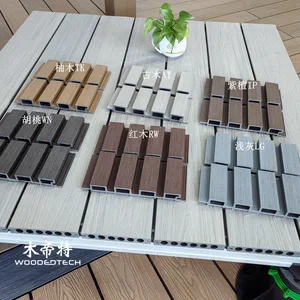 Composite Decking vs Wood Decking: A Commercial Buyer’s Guide to Performance and Cost
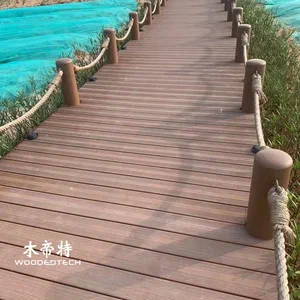 Composite Decking Cost vs Wood: Evaluating Procurement and Lifecycle Expenses
 Is Composite Decking Worth the Extra Cost? A B2B Industry Analysis
Related Products
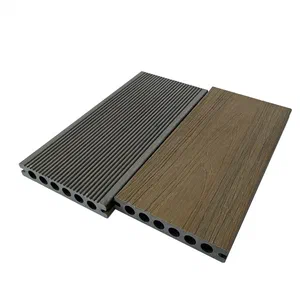 GD14023 Composite Decking Versus Wood Decking Features a Round Hole Structure with Semi Capped Co Extrusion
 D15035 Hollow Square Hole WPC Deck Offers Double Grooved Surfaces with Unique Thickness Design for Outdoor Applications
 Y5030-2 Hollow Structure Composite Deck Joist Provides Lightweight Support for Modern Decking Projects