
Evaluating Composite Decking Best Quality: Key Factors for Industrial Applications in 2023
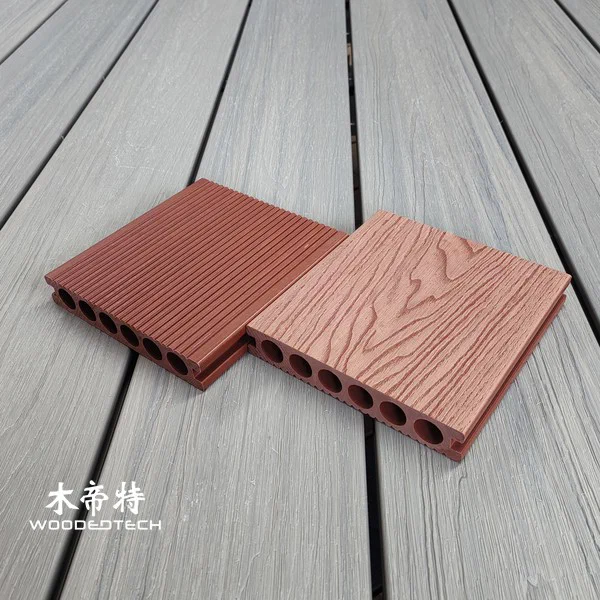
Wood Plastic Composite (WPC) products have gained significant popularity in outdoor applications due to their durability and aesthetic appeal. The key components contributing to the performance of these materials are wood powder, HDPE or PVC polymers, additives, pigments, and modifiers. Understanding how these elements affect the durability, weather resistance, and performance is crucial for manufacturers and quality control engineers in the WPC industry.
Key Components of WPC
Wood Powder
Wood powder serves as the primary filler in WPC, providing the material with its natural appearance and texture. The size and quality of the wood powder can significantly influence the composite’s mechanical properties. Fine wood powders tend to improve surface smoothness but may reduce strength if not balanced with other materials. Coarse powders can enhance strength but may lead to a rougher surface finish. Quality control should include assessments of particle size distribution and moisture content to optimize performance.
HDPE/PVC Polymers
The choice between HDPE and PVC as the polymer matrix is pivotal. HDPE is known for its superior impact resistance and weatherability, making it suitable for high-performance applications. PVC, on the other hand, offers excellent rigidity and can be more cost-effective. Both polymers must meet specific quality standards, including tensile strength, elongation at break, and resistance to environmental stress cracking. Regular testing of polymer batches ensures consistent quality throughout the production process.
Additives
Additives play a critical role in enhancing WPC properties. Common additives include UV stabilizers to protect against sun damage, anti-fungal agents to prevent mold growth, and fire retardants for safety. The effectiveness of these additives can be evaluated through accelerated aging tests and exposure to various weather conditions. It is essential to verify that the additives used comply with industry regulations to ensure the safety and longevity of the final product.
Pigments
Pigments are essential for achieving the desired color and aesthetic appeal of WPC products. However, they must also provide UV resistance to prevent fading over time. High-quality pigments should be resistant to leaching and should not degrade under exposure to sunlight and moisture. Implementing color consistency checks and UV resistance tests during production helps maintain the visual integrity of the decking materials.
Modifiers
Modifiers, such as coupling agents, enhance the bonding between the wood and polymer components, improving overall mechanical properties. They can also influence the processing characteristics of WPC. Selecting the right modifier is crucial, as it must be compatible with both the wood powder and the polymer matrix. Quality control procedures should involve testing for tensile strength and impact resistance to ensure that the modifiers are effectively enhancing performance.
Practical Factory Inspection Methods
To maintain high standards in WPC production, effective inspection methods are essential. Here are several practical approaches:

Incoming Material Inspection: Conduct thorough checks on raw materials, including wood powder, polymers, and additives. This includes testing for moisture content, particle size distribution, and physical properties.
In-Process Quality Control: Monitor production processes in real-time. Implement inline testing for temperature and pressure during extrusion to ensure optimal conditions for material mixing and shaping.
Final Product Testing: Post-production testing should include evaluating mechanical properties (e.g., tensile strength, flexural strength), weather resistance (UV stability), and surface finish (smoothness, color consistency).
Compliance Testing: Ensure that all components meet relevant industry standards (e.g., ASTM, ISO). This includes certificates of compliance for polymers and additives.
Quality Standards
Adhering to recognized quality standards is vital for WPC manufacturers. In the industry, standards such as ASTM D7031 for wood-plastic composites and EN 15534 for WPC products are commonly followed. These standards outline requirements for performance characteristics, including durability, mechanical properties, and environmental resistance. Regular audits and certifications help ensure compliance and enhance customer confidence in the products.
By focusing on the raw materials and adhering to stringent quality control methods, manufacturers can produce high-quality WPC products that meet the demands of industrial applications. Understanding these key factors not only improves product performance but also positions companies for success in a competitive market.
Related Articles
 Maximizing Durability: The Importance of Composite Deck End Caps in 2023
 What Is The Best Composite Deck Material for Durable and Beautiful Outdoor Flooring Applications
 The Benefits of Composite Wood Decking for Industrial Applications in 2023
 Maximizing Durability: The Role of Composite Deck Breaker Boards in 2023
Related Products
 GD13820 M Shape Co Extruded Composite Deck Planks Feature a Special Profile Design for Distinctive Outdoor Decking Applications
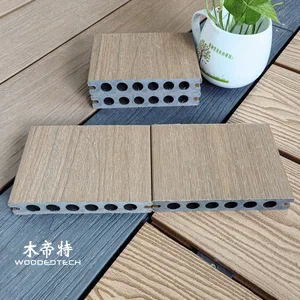 GD13823 Double Sided Flat Surface Co Extruded WPC Decking Features a Popular Width and Thickness with Round Hollow Structure
 GD13823-3 Composite Boards for Decking Are Available in Multiple Stock Colors with 3 Meter Lengths and Single Piece Delivery