
Evaluating Composite Decking Affordable Options for Large-Scale Commercial Projects
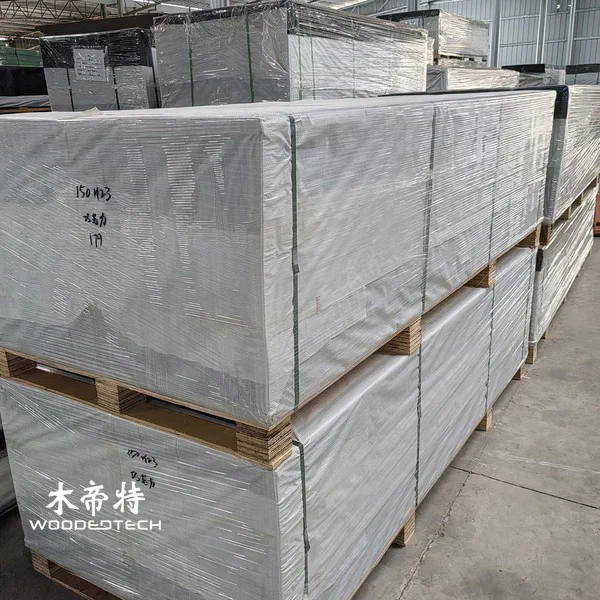
Large-scale commercial decking projects require a material that balances upfront cost, long-term durability, maintenance requirements, and installation efficiency. Outdoor WPC (wood plastic composite) decking is a practical alternative to natural timber, aluminum, and other exterior flooring materials, particularly for developments where consistent appearance and predictable maintenance costs matter across extensive outdoor areas.
Comparing Outdoor WPC with Other Commercial Decking Materials
Selecting the right decking material involves more than comparing the initial purchase price. Commercial developers, contractors, hotels, property managers, and landscape architects must consider expected service life, exposure to weather, foot traffic, cleaning requirements, replacement frequency, and total ownership costs. A material with a lower purchase price may become more expensive if it requires frequent sealing, repainting, or board replacement.
Outdoor WPC decking combines wood fibers or wood flour with thermoplastics and additives. Depending on the manufacturing process, products may feature solid or hollow profiles, co-extruded protective surfaces, and textured finishes. Compared with traditional timber, WPC offers more consistent dimensions and generally requires less routine maintenance. It also avoids some common wood-related problems, including splintering, insect damage, and moisture-related decay.
For large commercial installations, WPC is particularly attractive because manufacturers can supply standardized decking boards in bulk, helping contractors maintain consistent specifications across hotels, resorts, public walkways, residential developments, and commercial terraces.
Material Advantages and Disadvantages
Outdoor WPC Decking
WPC provides a wood-like appearance without requiring the same level of maintenance as natural timber. Its resistance to moisture, rot, and insects makes it suitable for many outdoor environments, including garden pathways, pool surrounds, balconies, and hospitality spaces.
Advantages:
- Lower routine maintenance than untreated or traditionally finished timber.
- Consistent dimensions and surface appearance across large installations.
- Available in different colors, textures, and wood-grain finishes.
- No regular painting, staining, or wood preservation treatment required.
- Recycled plastic and wood-fiber content may reduce demand for virgin materials.
Disadvantages:
- Higher initial purchase prices than some basic timber options.
- Thermal expansion requires appropriate installation gaps.
- Surface temperatures can become uncomfortable in direct sunlight.
- Lower-quality products may fade, stain, scratch, or deform.
- Not all WPC formulations provide the same fire performance or structural capacity.
Co-extruded WPC decking is worth considering for demanding commercial environments. Its protective outer layer can improve resistance to stains, moisture penetration, and surface fading, although actual performance depends on product specifications and testing.
Natural Wood and Traditional Timber
Natural wood remains popular for premium architectural projects because of its authentic grain, natural texture, and warm appearance. Hardwood species such as teak and ipe can provide excellent outdoor durability when correctly selected and installed.
Advantages:
- Authentic natural appearance and tactile qualities.
- Premium architectural appeal.
- Certain hardwood species offer excellent structural strength.
- Can be sanded, refinished, and repaired.

Disadvantages:
- Regular sealing, staining, or oiling may be necessary.
- Vulnerable to moisture, UV exposure, insects, and biological decay.
- Natural variations can create inconsistent appearance across large areas.
- Boards may crack, warp, splinter, or develop surface defects.
- Long-term maintenance can increase operational costs.
Softwood timber may have a lower initial purchase price, but pressure treatment and regular maintenance are important for outdoor applications. Hardwood generally costs more initially, while maintenance and replacement requirements depend on species, climate, installation quality, and exposure conditions.
Aluminum Decking
Aluminum decking is a durable option for projects requiring dimensional stability, corrosion-resistant finishes, and noncombustible construction materials.
Its main advantages include low maintenance, resistance to rot and insect damage, and strong performance in applications where fire resistance is an important consideration. It can also offer a long service life when the coating and installation system are properly specified.
However, aluminum usually has a higher initial material cost than entry-level WPC or timber. Its metallic appearance may not suit every landscape design, and exposed surfaces can become hot in direct sunlight. Scratches, coating damage, and poor drainage details may also affect long-term appearance and performance.
Other Exterior Flooring Materials
Other materials can also be suitable depending on the project’s structural and architectural requirements.
- Porcelain pavers: Highly resistant to stains, moisture, and UV exposure. They offer low maintenance but require suitable support systems and careful handling because of their weight and potential for breakage.
- Natural stone: Provides a premium appearance and excellent durability, but material sourcing, transportation, installation, and sealing can make it expensive.
- Concrete: Economical for large paved areas and capable of handling heavy use. However, it offers a different aesthetic and may crack, stain, or require surface repairs.
- Plastic decking: Often affordable and moisture-resistant, but product quality, surface appearance, stiffness, and heat performance vary considerably.
Maintenance Requirements and Lifecycle Costs
For commercial developments, lifecycle cost is often more important than the initial decking price. A realistic comparison should include material procurement, installation, cleaning, repairs, replacement, and disposal.
| Material | Routine maintenance | Main lifecycle cost factors |
|---|---|---|
| Outdoor WPC | Cleaning with water and mild detergent | Initial purchase, installation, occasional repairs |
| Natural hardwood | Cleaning, oiling, sealing | Finishing, labor, board replacement |
| Treated timber | Cleaning and periodic treatment | Preservation, repainting, replacement |
| Aluminum | Cleaning and coating inspection | Higher initial cost, surface repairs |
| Porcelain | Routine cleaning, joint inspection | Installation system, replacement of damaged units |
| Concrete | Cleaning and periodic repairs | Crack repair, resurfacing, drainage |
WPC generally offers an advantage in maintenance-related labor costs because it does not require routine staining or sealing. However, it should not be treated as maintenance-free. Commercial property managers still need to remove dirt, leaves, food spills, and other contaminants, while inspecting fasteners, joints, drainage channels, and supporting structures.
A lifecycle assessment should use the expected service life of each product rather than assuming that all materials last equally long. For example, a timber deck may need periodic refinishing, while a WPC installation may require fewer surface treatments but still need occasional board replacement.
The total cost of ownership can be estimated using:
Total lifecycle cost = Initial material cost + Installation cost + Maintenance cost + Repair cost + Replacement cost.
For accurate budgeting, contractors should compare costs over the same evaluation period and account for local labor rates, climate conditions, product warranties, and expected commercial traffic.
How to Choose Affordable Composite Decking for Large Projects
Affordable composite decking does not necessarily mean purchasing the cheapest available boards. For large-scale commercial projects, the better approach is to evaluate the relationship between product quality, installation requirements, and long-term operating expenses.
Start by defining the expected application. A hotel pool deck, public pedestrian walkway, rooftop terrace, and restaurant patio may require different levels of slip resistance, structural performance, fire classification, and weather resistance.
Next, compare solid and hollow WPC profiles. Hollow boards can reduce material weight and may offer procurement savings, while solid boards can be preferable where greater section mass or specific loading requirements are needed. Neither profile should be selected without checking manufacturer load tables, joist spacing recommendations, and installation specifications.
Bulk purchasing is another important consideration. Ordering from an established WPC manufacturer or factory-direct supplier can help reduce procurement costs, maintain color consistency, and simplify quality control. Buyers should request samples, technical datasheets, test reports, warranty terms, and quotations that clearly identify board dimensions, surface treatments, accessories, packaging, and shipping costs.
Installation efficiency also affects the final budget. Standardized board dimensions, compatible fastening systems, and clearly documented installation procedures can reduce labor time and material waste. Contractors should include expansion allowances, ventilation, drainage, and substructure requirements in their calculations.
Making the Right Material Investment
For large commercial developments, outdoor WPC decking offers a useful balance between appearance, maintenance requirements, and long-term value. Natural timber remains attractive for projects prioritizing authentic materials, aluminum suits applications with specific fire and durability requirements, and porcelain or concrete can be more appropriate for certain heavy-duty or hardscape environments.
The most cost-effective choice depends on the project’s location, design objectives, expected traffic, and maintenance budget. Rather than focusing exclusively on the lowest price per square meter, developers should compare verified product performance, installation costs, and expected maintenance over the intended service life. This approach helps ensure that the selected decking system delivers reliable performance without creating unnecessary operating expenses.
Related Articles
 Composite Decking Affordable Solutions: Cost-Effective Options for B2B Buyers
 Composite Decking Decks: Key Considerations for Commercial Projects
 10 x 16 composite deck cost depends on design materials and installation requirements
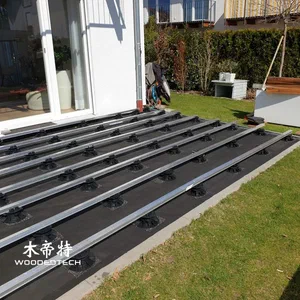 quality composite decking delivers reliable outdoor flooring solutions with long lasting performance
Related Products
 GD13820 M Shape Co Extruded Composite Deck Planks Feature a Special Profile Design for Distinctive Outdoor Decking Applications
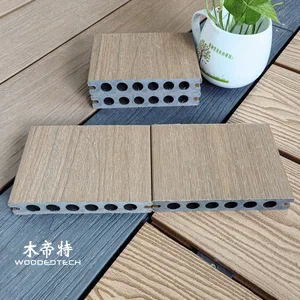 GD13823 Double Sided Flat Surface Co Extruded WPC Decking Features a Popular Width and Thickness with Round Hollow Structure
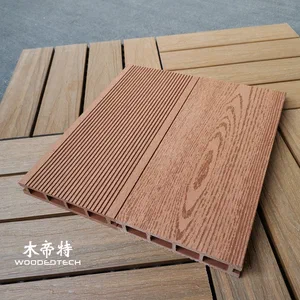 The Classic D14025-4 Red Wood WPC Wood Sheet Features a Timeless 2D Flat Wood Grain Design That Remains Popular After Twenty Years