
Essential Guide to Wood Plastic Composite Fence Installation: Best Practices for 2023

Installing wood plastic composite (WPC) fencing requires careful planning and execution to ensure a durable and aesthetically pleasing result. This guide outlines the essential steps for installing WPC decking and wall cladding systems, covering subframe preparation, fixing methods, expansion gaps, cutting, and maintenance tips.
Subframe Preparation
The foundation for your WPC fence is critical to its longevity. Begin by ensuring the installation area is level and free of debris. Depending on your local climate and soil conditions, consider the following:
- Material selection: Use pressure-treated wood or galvanized metal for the subframe to prevent rot and corrosion.
- Spacing: Position the supporting posts at least 6 feet apart to provide adequate support. Ensure they are anchored securely in concrete for stability.
- Height considerations: Measure the required height of your fence, accounting for the height of the WPC panels and any desired ground clearance.
Fixing Methods
WPC panels can be fixed using various methods, depending on the design of your system. Common approaches include:
- Hidden fasteners: These are designed to create a seamless look. Install the fasteners along the edges of the panels, ensuring they are spaced evenly for a secure fit.
- Screws: For visible fastening, use stainless steel or coated screws to prevent rust. Pre-drill holes to avoid splitting the material.
- Brackets: In some systems, brackets may be used to attach the panels to the posts, offering additional support and stability.
Expansion Gaps
WPC materials expand and contract with temperature changes, making it crucial to leave appropriate expansion gaps. Follow these guidelines:
- End gaps: Leave a minimum gap of 1/4 inch at the ends of the WPC panels to allow for expansion.
- Side gaps: Maintain a gap of at least 1/8 inch between adjacent panels.
- Temperature considerations: Allow for larger gaps in hotter climates or during the summer months when materials are more likely to expand.
Cutting
Accurate cutting of WPC panels ensures a neat installation. Here are some tips:
- Tools needed: Use a circular saw with a fine-tooth blade or a miter saw for straight cuts. For curves or intricate shapes, a jigsaw works well.
- Measuring: Always measure twice before cutting to minimize waste and ensure a precise fit.
- Safety gear: Wear protective eyewear and a dust mask when cutting to prevent injury from debris.

Maintenance Tips
WPC fences are known for their low maintenance requirements, but some care is necessary to keep them looking their best:
- Cleaning: Regularly clean the panels with a mild detergent and water to remove dirt and stains. A soft brush can help with tougher spots.
- Avoid harsh chemicals: Stay away from bleach or other strong chemicals that can damage the WPC surface.
- Inspect regularly: Periodically check for any signs of wear or damage, particularly around the fasteners, and address any issues promptly to extend the life of your fence.
By following these steps, you can ensure a successful installation of your WPC fencing, providing a durable and visually appealing addition to your outdoor space.
Related Articles
 WPC Wall Fence for Modern Outdoor Privacy Protection and Durable Landscape Applications
 Is Plastic Wood Stainable and How to Maintain Its Natural Appearance
 Exploring the Advantages of WPC Panel Ograde for Industrial Applications in 2023
 Understanding WPC Panel Sizes: A Comprehensive Guide for Industrial Applications
Related Products
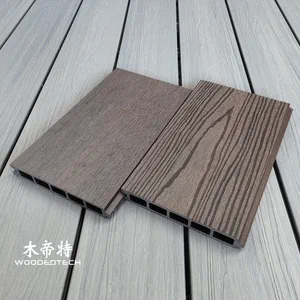 3DGL18024 Composite Fence Panels Feature Premium Co Extruded 3D Embossed Rosewood Grain Texture with Realistic Natural Wood Fibers
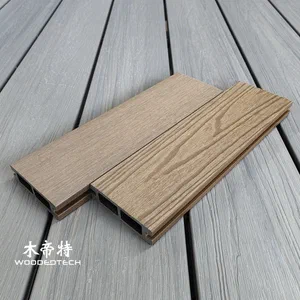 3DGL9024 Composite Fence Features Premium Co Extruded 3D Embossed Teak Wood Grain Texture with Realistic Natural Wood Fibers
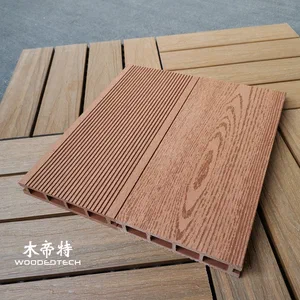 The Classic D14025-4 Red Wood WPC Wood Sheet Features a Timeless 2D Flat Wood Grain Design That Remains Popular After Twenty Years