
Essential Guide to Wood Composites: Key Considerations for Industrial Applications in 2023
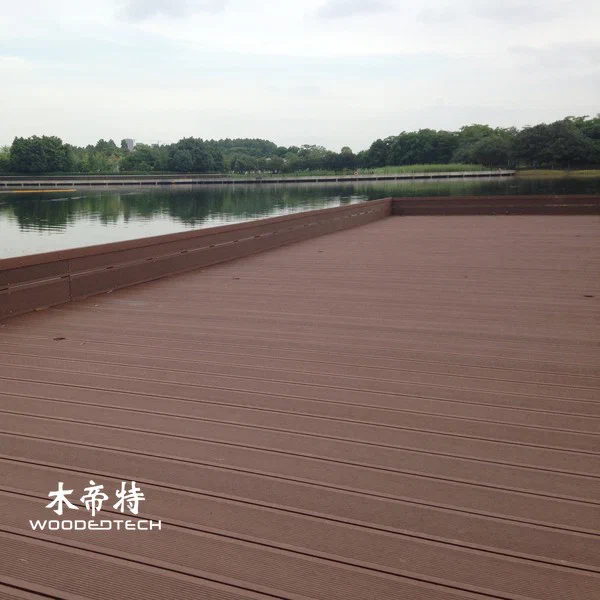
Designing high-performance outdoor wood plastic composites (WPCs) for decking, wall cladding, fencing, pergolas, and landscape products involves a careful balance of material composition, additives, and cost considerations. This blend is crucial for maximizing durability, aesthetics, and functionality while ensuring the final product meets market demands and consumer expectations.
Material Composition

The foundation of any WPC product is its material composition, primarily the ratio of wood fiber to plastic. Wood fibers provide natural aesthetics and help in the absorption of color, while plastics contribute to moisture resistance and durability.
- Wood Fiber Content: Typically ranges from 30% to 70%. Higher wood fiber content can enhance the natural look and feel but may compromise durability.
- Plastic Ratio: The remaining percentage usually consists of polyethylene, polypropylene, or polyvinyl chloride (PVC). Choosing the right type of plastic affects both the mechanical properties and cost.
Finding the right balance is essential. A higher plastic content can increase resistance to moisture and UV degradation, while a lower content can enhance the natural appearance and reduce costs.
Additives for Performance
The incorporation of additives is key to enhancing the properties of WPCs. These additives can significantly influence performance characteristics such as weather resistance, color retention, and fire resistance.
- UV Stabilizers: Protect against degradation from sunlight exposure.
- Colorants: Improve aesthetic appeal and can include pigments and dyes that are stable under outdoor conditions.
- Foaming Agents: Reduce weight and material usage while enhancing thermal insulation properties.
- Anti-fungal Agents: Prevent mold and mildew growth, which is crucial for outdoor applications.
Selecting the right combination of additives can optimize performance without excessively increasing production costs.
Cost Control Strategies
Cost control is vital for competitiveness in the WPC market. Material costs can fluctuate, so strategic sourcing and formulation adjustments can help maintain profitability.
- Bulk Purchasing: Buying raw materials in larger quantities can lead to cost savings.
- Recycled Materials: Incorporating recycled plastics or wood fibers can reduce material costs while appealing to environmentally conscious consumers.
- Streamlined Production: Efficient manufacturing processes reduce waste and energy consumption, leading to lower overall costs.
Balancing premium materials with cost-effective options can help achieve a competitive product without sacrificing quality.
Product Lifespan and Performance Testing
The longevity of WPC products is a critical consideration in formulation design. Performance testing should be conducted to ensure that the product can withstand environmental stressors over time.
- Weathering Tests: Simulate long-term exposure to UV light, moisture, and temperature changes.
- Mechanical Testing: Assess flexural strength, impact resistance, and wear characteristics.
- Aging Tests: Evaluate how materials perform after extended periods in real-world conditions.
Understanding how these factors impact lifespan allows for adjustments in composition and formulation to meet expected durability standards.
Conclusion
Related Articles
Related Products
 GD13820 M Shape Co Extruded Composite Deck Planks Feature a Special Profile Design for Distinctive Outdoor Decking Applications
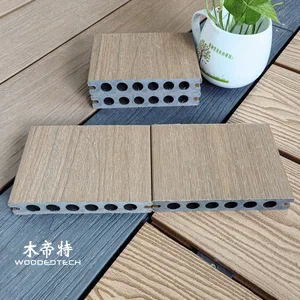 GD13823 Double Sided Flat Surface Co Extruded WPC Decking Features a Popular Width and Thickness with Round Hollow Structure
 GD13823-3 Composite Boards for Decking Are Available in Multiple Stock Colors with 3 Meter Lengths and Single Piece Delivery