
Essential Guide to Sourcing Composite Supplies for Industrial Applications in 2024
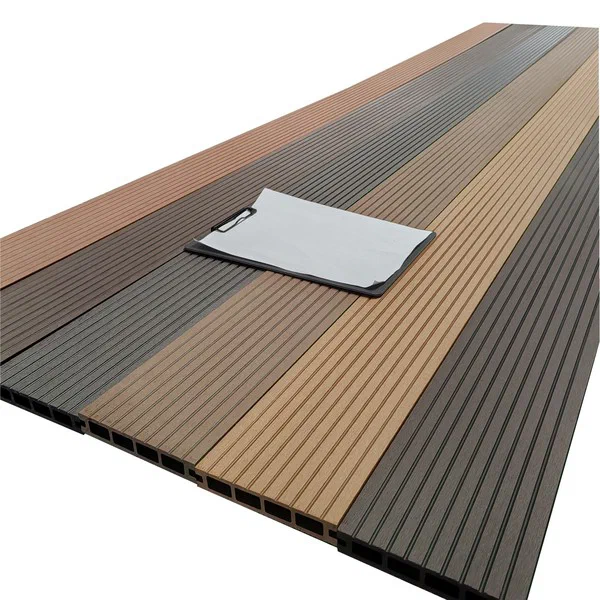
Designing high-performance outdoor wood plastic composite (WPC) formulas for applications such as decking, wall cladding, fencing, pergolas, and landscape products requires a careful balance of various components. The goal is to achieve durability, aesthetics, and functionality while keeping costs in check. This guide will explore the key factors to consider when developing effective WPC formulations.
Wood Fiber Content vs. Plastic Ratio
The core of a WPC is its combination of wood fibers and plastic. The wood fiber content significantly influences the mechanical properties, appearance, and environmental resistance of the final product. Generally, an optimal wood fiber content ranges between 40% to 70%, depending on the application. Higher wood content can enhance the natural look and feel but may compromise durability and moisture resistance.
On the other hand, the plastic ratio helps determine flexibility and impact resistance. A suitable plastic content, usually around 30% to 60%, can help improve the product’s longevity and weather resistance. Striking the right balance between wood fibers and plastic is essential for achieving the desired performance characteristics.
Additives for Enhanced Performance

To enhance WPC formulations, various additives can be incorporated:
- UV Stabilizers: Protect against ultraviolet degradation, ensuring color retention and preventing surface cracking.
- Antioxidants: Improve the thermal stability of the plastic matrix, extending the lifespan of the composite.
- Colorants: Provide aesthetic appeal and help in achieving the desired visual effects.
- Fire Retardants: Enhance safety by reducing flammability in outdoor environments.
The selection and proportion of these additives must align with the intended use of the product without significantly increasing costs.
Cost Control Strategies
Cost management is crucial in WPC formulation development. Using recycled materials can reduce overall expenses while promoting sustainability. Additionally, sourcing local materials can lower transportation costs. It is also essential to optimize production processes to minimize waste and improve efficiency. By carefully selecting the right suppliers and materials, manufacturers can maintain competitive pricing without sacrificing quality.
Product Lifespan and Maintenance
The longevity of WPC products largely depends on their formulation and the conditions they are exposed to. High-quality formulations resist moisture, UV exposure, and temperature fluctuations, extending their usable life. Testing under accelerated weathering conditions can help predict performance and durability in real-world scenarios.
Regular maintenance, such as cleaning and occasional sealing, can further enhance the lifespan of WPC products. Manufacturers should provide clear guidelines for care and maintenance to end-users, ensuring they get the most out of their investments.
Conclusion
Developing high-performance outdoor WPC formulations involves a delicate balance of wood fiber content, plastic ratios, additives, and cost control. By focusing on these factors, manufacturers can create products that meet market demands for durability, aesthetics, and affordability. As the outdoor composite market continues to evolve, staying ahead with innovative formulations will be key to success.
Related Articles
 Understanding Plastic Wood Called: Innovations and Applications in 2023
 Choosing the Right Composite Deck Planks: A Comprehensive Guide for 2023
 Wood Polymer Composite Manufacturing: Material Selection and Production Optimization
 Plastic Wood Composite Sheets Provide Versatile Materials For Outdoor Construction And Decoration
Related Products
 GD13820 M Shape Co Extruded Composite Deck Planks Feature a Special Profile Design for Distinctive Outdoor Decking Applications
 GD13823-3 Composite Boards for Decking Are Available in Multiple Stock Colors with 3 Meter Lengths and Single Piece Delivery
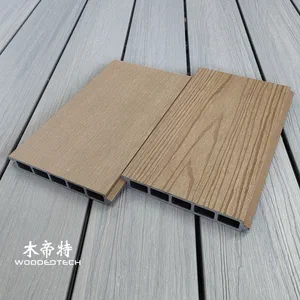 3DGL18024 WPC Longboard Fence Features Premium Co Extruded 3D Embossed Teak Wood Grain Texture with Realistic Natural Wood Fibers