
Essential Guide to Selecting WPC Door Frames: Key Considerations for 2024
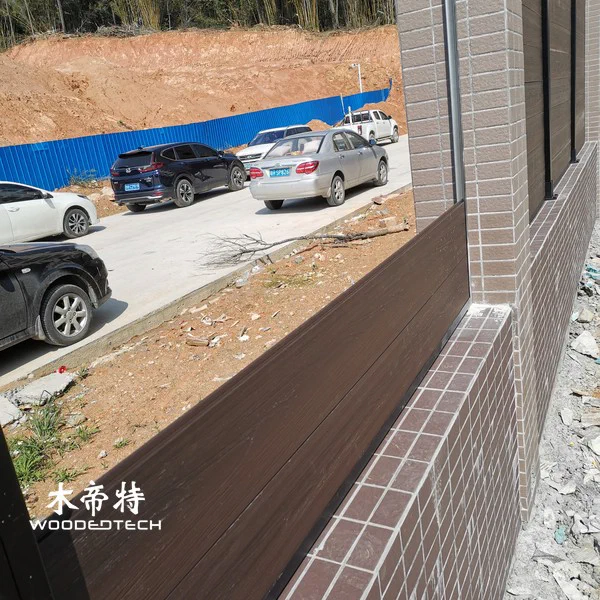
Designing high-performance outdoor wood plastic composites (WPC) for various applications like decking, wall cladding, fencing, pergolas, and landscape products requires a careful balance of multiple factors. Key considerations include the ratio of wood fiber to plastic, the selection of additives, cost management, and ensuring the longevity of the final product.
Wood Fiber and Plastic Ratio
The wood fiber content in WPCs significantly influences the material’s mechanical properties. A higher percentage of wood fibers generally enhances strength and rigidity but may reduce water resistance and durability. Striking a balance is essential; typically, formulations range from 30% to 70% wood fiber. This balance will depend on the specific application. For decking, a higher plastic content is often preferred to enhance moisture resistance, while wall cladding may benefit from a higher wood fiber ratio for aesthetic appeal.
Plastic content, primarily polyethylene or polypropylene, contributes to the material’s weather resistance. The choice of plastic also dictates the processing temperature and the final product’s finish. Capped composites, which feature a protective layer of plastic around a core of wood and plastic, are increasingly popular for outdoor applications due to their enhanced durability and low maintenance requirements.
Additives for Performance and Aesthetics
Incorporating additives is crucial for improving the properties of WPCs. Common additives include:
- UV stabilizers to prevent degradation from sunlight exposure.
- Anti-fungal agents to resist mold and mildew.
- Colorants and pigments for aesthetic customization.
- Processing aids to enhance the flow and ease of manufacturing.

These additives can increase production costs, so selecting the right combination is vital. The goal is to enhance performance without significantly driving up the price, maintaining competitiveness in the market.
Cost Control Measures
Cost control is a significant aspect of WPC formulation. The raw materials, including wood fiber and plastic, can fluctuate in price, impacting overall production costs. Sourcing materials locally can help mitigate transportation costs. Additionally, using recycled plastics can not only reduce costs but also appeal to environmentally conscious consumers.
To further control costs, manufacturers can optimize production processes. This includes minimizing waste during the extrusion process, ensuring efficient energy use, and leveraging technology to streamline operations. Investing in high-quality machinery may have a higher initial cost but can lead to significant savings in the long run through reduced maintenance and improved efficiency.
Product Lifespan and Sustainability
The longevity of WPC products is a crucial consideration, especially in outdoor applications where exposure to the elements is inevitable. Enhanced durability can be achieved through a combination of material selection, additives, and proper manufacturing processes. Fully capped composites tend to have a longer lifespan due to their superior resistance to moisture and UV damage.
Sustainability is also becoming increasingly important. Consumers are looking for products that are not only durable but also environmentally friendly. Utilizing recycled materials in production and ensuring that the final product is recyclable can enhance market appeal. Manufacturers should also consider lifecycle assessments to better understand the environmental impact of their products.
Related Articles
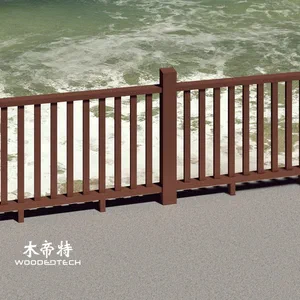 Composite Teak for Durable Outdoor Decking Furniture Cladding and Landscape Applications
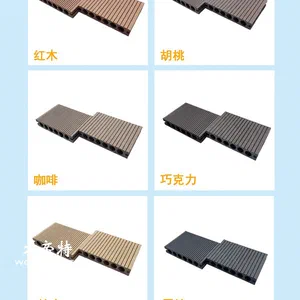 WPC Deck Flooring for Durable Outdoor Patios Gardens Balconies and Landscape Applications
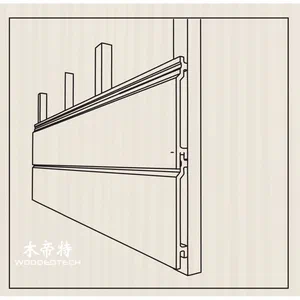 Cost Of Composite Decking Material
 Essential Guide to Wood Composites: Key Considerations for Industrial Applications in 2023
Related Products
 GD13820 M Shape Co Extruded Composite Deck Planks Feature a Special Profile Design for Distinctive Outdoor Decking Applications
 GD13823 Double Sided Flat Surface Co Extruded WPC Decking Features a Popular Width and Thickness with Round Hollow Structure
 GD13823-3 Composite Boards for Decking Are Available in Multiple Stock Colors with 3 Meter Lengths and Single Piece Delivery