
Essential Guide to Choosing the Right Composite Deck Material for Your Projects
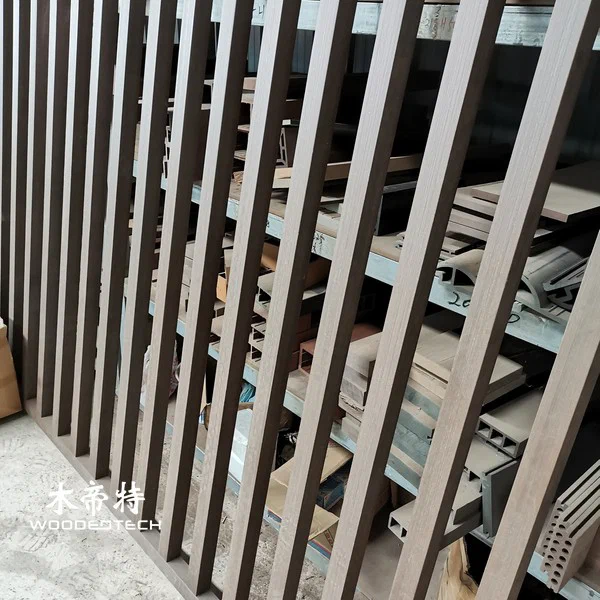
Designing high-performance outdoor wood plastic composites (WPC) for applications such as decking, wall cladding, fencing, and pergolas involves a careful balance of materials, additives, and cost considerations. The right formula enhances durability, aesthetics, and performance while ensuring cost-effectiveness and a long product lifespan.
Wood Fiber Content and Plastic Ratio
The first key factor in WPC formulation is the ratio of wood fiber to plastic. Higher wood fiber content generally improves the composite’s aesthetic appeal and reduces its carbon footprint, but it can also lead to decreased moisture resistance and increased susceptibility to warping. A common ratio for outdoor applications is 50% wood fiber to 50% plastic, though variations can be made depending on specific requirements.
Balancing the wood fiber content with the plastic matrix is essential. A higher plastic ratio might enhance durability and moisture resistance, making it suitable for areas exposed to the elements. However, it may detract from the natural look and feel that many consumers desire. Therefore, testing different ratios can help determine the optimal blend for the desired application.
Additives for Enhanced Performance
Additives play a crucial role in improving the performance characteristics of WPCs. These can include:
- UV stabilizers to prevent degradation from sunlight exposure
- Anti-fungal agents to resist mold and mildew formation
- Colorants for aesthetic customization
- Impact modifiers to enhance toughness and reduce brittleness
Selecting the right combination of additives can significantly improve the longevity and appearance of the final product. It is also important to consider the compatibility of these additives with the chosen wood and plastic materials to avoid negative interactions.

Cost Control Considerations
While achieving high performance is crucial, it is equally important to manage costs. The choice of raw materials directly affects the final price of the product. Sourcing sustainable wood fibers and recycled plastics can help lower costs while appealing to environmentally conscious consumers. Additionally, optimizing the manufacturing process can lead to significant cost savings without compromising quality. This includes considering the efficiency of extrusion processes and minimizing waste during production.
Product Lifespan and Durability
The expected lifespan of WPC products is a vital consideration. Outdoor environments expose materials to varying weather conditions, which can lead to degradation over time. Products designed for decking, fencing, and wall cladding should be engineered to withstand moisture, UV exposure, and temperature fluctuations. Testing for weather resistance and conducting accelerated aging tests can provide insights into the longevity of the composite under real-world conditions.
Using fully capped composites can further enhance durability, as they provide an additional protective layer that shields the core materials from moisture and UV damage. This is particularly important for applications like decking, where foot traffic and exposure to the elements can accelerate wear.
Conclusion
Creating high-performance WPC formulations for outdoor applications requires a holistic approach that considers wood fiber content, plastic ratios, additives, cost control, and product lifespan. By carefully balancing these factors, manufacturers can produce WPC products that not only meet consumer demands for durability and aesthetics but also remain cost-effective in a competitive market.
Related Articles
 Understanding Composite Materials: Key Features and Applications for 2024
 Essential Guide to Sourcing Composite Supplies for Industrial Applications in 2024
 Innovations in Plastic Composite Materials: Advancing Industrial Applications in 2023
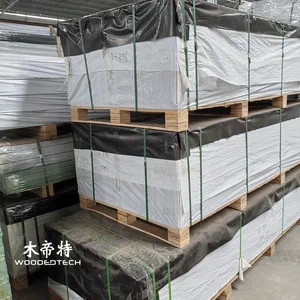 Innovative Applications of Plastic Wood Cover in Industrial Manufacturing: 2023 Insights
Related Products
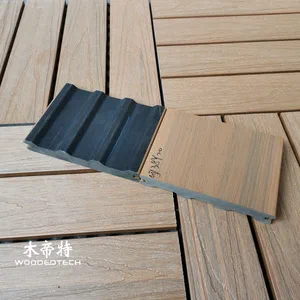 GD13820 M Shape Co Extruded Composite Deck Planks Feature a Special Profile Design for Distinctive Outdoor Decking Applications
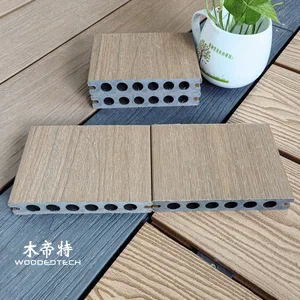 GD13823 Double Sided Flat Surface Co Extruded WPC Decking Features a Popular Width and Thickness with Round Hollow Structure
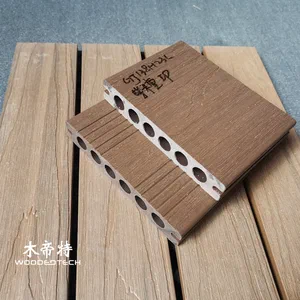 GD13823-3 Composite Boards for Decking Are Available in Multiple Stock Colors with 3 Meter Lengths and Single Piece Delivery