
Essential Guide to Choosing Composite Decking Trim Boards: Key Considerations for 2024
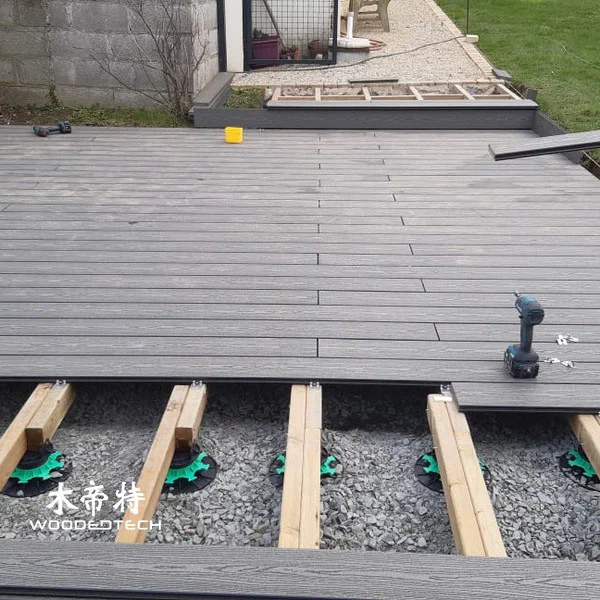
The selection of composite decking trim boards is crucial for enhancing the aesthetics and functionality of outdoor spaces. As we move into 2024, several modern design trends are shaping the landscape of composite materials, particularly in their use for decking, wall panels, and other outdoor structures. This guide explores key considerations for choosing the right trim boards, focusing on color, texture, profile, and modular design.
Color Trends
Color plays a significant role in outdoor design, impacting mood and the overall look of your space. In 2024, earthy tones, muted hues, and rich, natural colors are becoming increasingly popular. These options not only create a warm and inviting atmosphere but also help blend outdoor structures seamlessly with the natural environment. Composite decking trim boards are now available in a wider range of colors, allowing for personalized combinations that match the existing architecture or landscape elements.
Texture and Finish
Textures can add depth and interest to outdoor spaces. The trend toward 3D embossed composite decking is gaining traction, offering a realistic wood look with enhanced grip and durability. This textured surface not only improves safety but also adds a tactile quality that can elevate the overall design. Various finishes, from smooth to brushed or weathered, allow designers to create unique visual contrasts while ensuring longevity and resistance to fading.

Profile Design
The shape and profile of composite decking trim boards have evolved to incorporate both functionality and style. Slim, sleek profiles are favored for modern aesthetics, while wider profiles are increasingly used to create a bold statement. Designers are also embracing innovative edge designs that can enhance the appearance of joints and transitions, providing a polished finish to decks and outdoor structures. The choice of profile can impact not only the visual appeal but also the structural integrity and ease of installation.
Modular Designs
Modular design concepts are becoming a staple in outdoor living spaces, allowing for flexibility and customization. Trim boards that can be easily interchanged or reconfigured make it simple to adapt to changing needs or styles. This approach is particularly beneficial for larger projects, such as composite gazebos or pergolas, where different sections can be combined to create unique shapes or layouts. Modular designs also facilitate easier repairs and updates, extending the life of outdoor structures.
Sustainability Considerations
Sustainability is a growing focus in the composite decking industry. As more consumers prioritize eco-friendly materials, manufacturers are responding by offering products made from recycled content. Selecting trim boards that emphasize sustainability not only supports environmental efforts but can also serve as a selling point for businesses looking to attract eco-conscious customers. The blend of recycled materials with advanced technology ensures durable products that do not compromise on style or performance.
Conclusion
Choosing the right composite decking trim boards involves careful consideration of color, texture, profile, and modular designs. By staying abreast of these modern trends, designers can create outdoor spaces that are both beautiful and functional, meeting the needs of today’s consumers. As 2024 approaches, the emphasis on personalization and sustainability will continue to shape the future of composite materials, making it an exciting time for outdoor design.
Related Articles
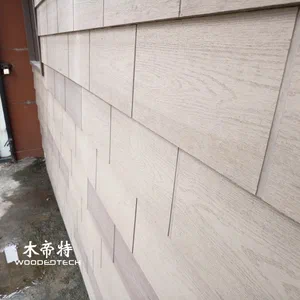 Exploring the Latest Decking Composite Colours: Trends and Innovations for 2023
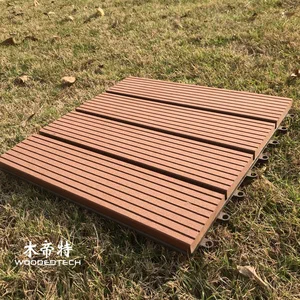 Maximizing Safety and Aesthetics: Composite Decking Around Pool in 2023
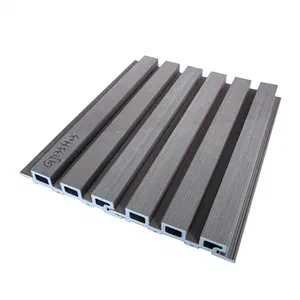 Choosing the Right Composite Decking: A Guide to White Options for 2024
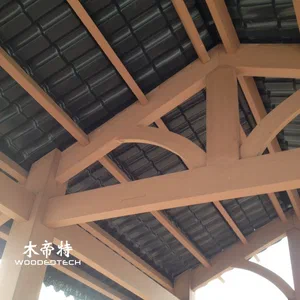 Enhancing Outdoor Spaces: The Benefits of Composite Decking Picture Frames in 2023
Related Products
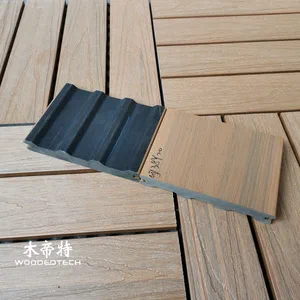 GD13820 M Shape Co Extruded Composite Deck Planks Feature a Special Profile Design for Distinctive Outdoor Decking Applications
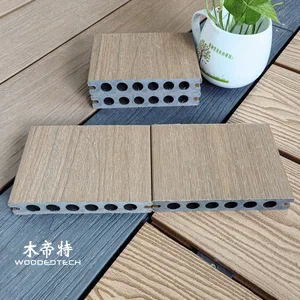 GD13823 Double Sided Flat Surface Co Extruded WPC Decking Features a Popular Width and Thickness with Round Hollow Structure
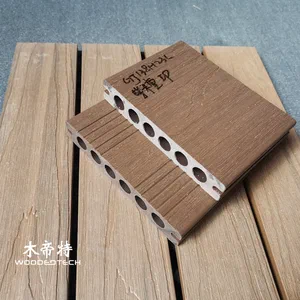 GD13823-3 Composite Boards for Decking Are Available in Multiple Stock Colors with 3 Meter Lengths and Single Piece Delivery