
Essential Guide to Choosing Composite Deck Boards: Key Factors for B2B Professionals
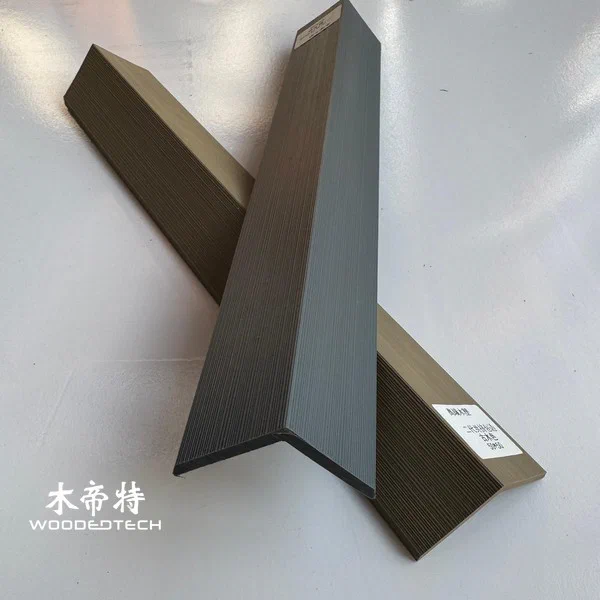
Choosing the right composite deck boards is crucial for B2B professionals in the outdoor construction and landscaping industries. This guide outlines the key factors to consider when selecting these materials, ensuring that you make informed decisions for your projects.
Material Composition
Composite deck boards are typically made from a blend of wood fibers and plastic, offering advantages over traditional wood. When evaluating options, consider the following:
- Durability: High-quality composite materials resist fading, staining, and mold growth.
- Maintenance: Look for low-maintenance options that do not require sanding, staining, or sealing.
- Environmental Impact: Many manufacturers now offer eco-friendly products made from recycled materials.
Types of Composite Deck Boards
Understanding the different types of composite deck boards can help in selecting the best fit for your needs. Key categories include:
- Capped Composite Decking: Features a protective outer layer, enhancing durability and resistance to moisture.
- Co-Extrusion Decking: Offers a dual-layer construction that provides enhanced weather resistance.
- Solid vs. Hollow: Solid boards are typically heavier and more durable, while hollow boards are lighter and may be more cost-effective.
Aesthetic Considerations
The appearance of composite decking is another essential factor. Various colors, textures, and finishes are available, allowing for customization to suit specific design preferences. Popular options include:
- Wood Grain Finishes: Mimic the look of natural wood while providing the benefits of composite materials.
- Color Variations: Consider color schemes that complement other outdoor elements like siding, fencing, and landscaping.
Performance and Longevity

When selecting composite deck boards, it’s vital to assess their performance characteristics, including:
- Slip Resistance: Many products feature textured surfaces to enhance safety, particularly in wet conditions.
- UV Resistance: Ensure boards are treated to withstand sun exposure without significant fading over time.
- Warranty: A robust warranty can indicate the manufacturer’s confidence in their product’s longevity.
Cost Considerations
Budget is an essential aspect of choosing composite decking. While initial costs may be higher than traditional wood, the long-term savings on maintenance and replacement should be factored in. Key points to consider include:
- Price per Square Foot: Compare costs across different brands and types of composite decking.
- Installation Expenses: Some boards may require specialized installation techniques, impacting overall project costs.
Supplier Reliability
Selecting a reputable supplier is critical for ensuring product quality and availability. Consider the following when evaluating potential partners:
- Manufacturing Expertise: Look for suppliers with a proven track record in composite materials.
- Customer Support: Reliable suppliers should offer comprehensive support, from product selection to post-purchase assistance.
- Reviews and References: Research feedback from other B2B customers to gauge reliability and service quality.
Conclusion
By understanding these key factors, B2B professionals can confidently choose the right composite deck boards for their projects. Prioritize material composition, aesthetics, performance, and supplier reliability to ensure a successful outcome.
Related Articles
 14' Composite Deck Boards Provide Long Length Options for Large Outdoor Decking Installations
 fiberon composite deck boards are widely recognized for outdoor decking applications
 Composite Decking 4.2m Lengths for Efficient Outdoor Deck Installation
 Select Capped Composite Decking for Enhanced Surface Protection and Color Stability
Related Products
 GD13820 M Shape Co Extruded Composite Deck Planks Feature a Special Profile Design for Distinctive Outdoor Decking Applications
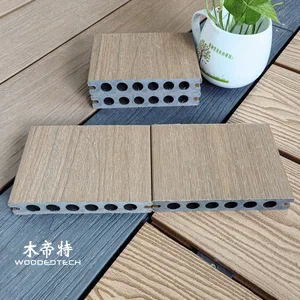 GD13823 Double Sided Flat Surface Co Extruded WPC Decking Features a Popular Width and Thickness with Round Hollow Structure
 GD13823-3 Composite Boards for Decking Are Available in Multiple Stock Colors with 3 Meter Lengths and Single Piece Delivery