
Essential Considerations for Choosing WPC Panel with UV Sheet for Industrial Applications
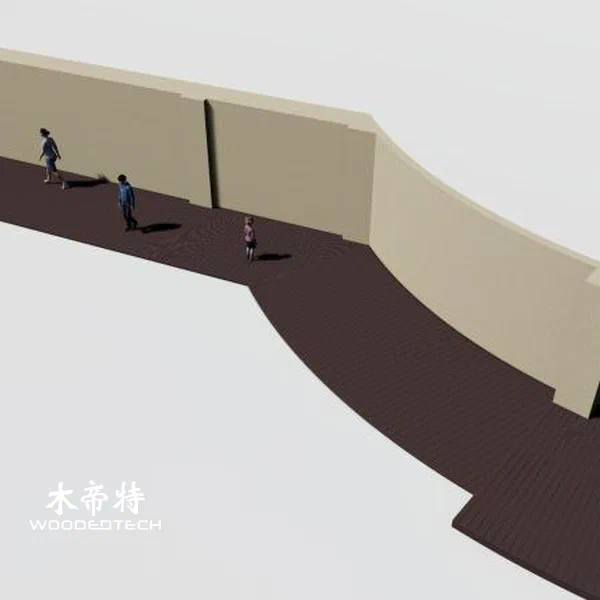
Designing high-performance outdoor wood plastic composite (WPC) formulas requires a careful balance of various factors to ensure durability, aesthetics, and cost-effectiveness. This guide focuses on the essential considerations for selecting WPC panels, particularly those with UV sheets, for industrial applications in decking, wall cladding, fencing, pergolas, and landscape products.
Wood Fiber Content and Plastic Ratio
The foundation of any WPC formulation lies in the combination of wood fibers and plastic. The wood fiber content typically ranges from 30% to 70%, depending on the desired properties of the finished product. Higher wood content generally increases the material’s natural appearance and provides better thermal performance, while a higher plastic ratio enhances moisture resistance and durability.
Finding the right balance is crucial. Too much wood fiber can lead to brittleness, while too much plastic can reduce the aesthetic appeal and increase the risk of warping. Therefore, extensive testing should be conducted to determine the optimal wood-to-plastic ratio that meets the specific performance criteria for the intended application.
Additives and Their Roles
Additives play a significant role in enhancing the properties of WPC materials. Common additives include:
- UV stabilizers to prevent degradation from sunlight exposure
- Anti-fungal agents to resist mold and decay
- Colorants to achieve the desired aesthetic
- Flame retardants for compliance with safety standards
- Processing aids to improve the manufacturability of the composites
Each additive must be carefully chosen to avoid compromising the mechanical properties or longevity of the product. The right blend of additives can significantly extend the lifespan of WPC panels, making them suitable for various industrial applications.
Cost Control
Cost management is essential in the formulation of WPC products, especially for large-scale industrial applications. The cost of raw materials, including wood fibers and plastics, fluctuates, impacting overall production costs. By optimizing the formulation and minimizing waste during the manufacturing process, businesses can maintain competitive pricing.

Additionally, sourcing recycled materials can reduce costs while promoting sustainability. Using a mix of virgin and recycled plastics can strike a balance between performance and price, making high-quality WPC products accessible to a broader market.
Product Lifespan and Performance
The lifespan of WPC products is influenced by several factors, including the selection of materials, additives, and the manufacturing process. High-performance WPC panels should withstand moisture, UV exposure, and varying temperatures without significant degradation. This is particularly important for outdoor applications where weather conditions are unpredictable.
Regular testing should be conducted to assess the performance of WPC panels under simulated environmental conditions. This data helps refine formulations to enhance durability, ensuring that products remain functional and visually appealing over time.
Conclusion
Designing high-performance outdoor WPC formulas involves a meticulous balance of wood fiber content, plastic ratios, additives, and cost considerations. By focusing on these aspects, manufacturers can produce durable, aesthetically pleasing products suitable for various industrial applications. Continuous testing and optimization will be key to developing innovative solutions that meet the evolving needs of the market.
Related Articles
 Understanding WPC Panel Sizes: A Comprehensive Guide for Industrial Applications
 Wood plastic composite flooring installation provides practical guidance for creating durable outdoor floors
 Essential Guide to Selecting WPC Door Frames: Key Considerations for 2024
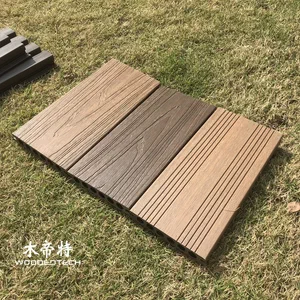 Innovative Applications of WPC Building Materials in Modern Construction: 2023 Insights
Related Products
 GD13823-3 Composite Boards for Decking Are Available in Multiple Stock Colors with 3 Meter Lengths and Single Piece Delivery
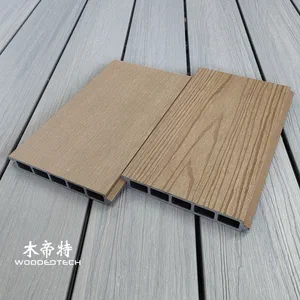 3DGL18024 WPC Longboard Fence Features Premium Co Extruded 3D Embossed Teak Wood Grain Texture with Realistic Natural Wood Fibers
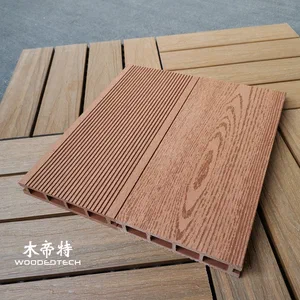 The Classic D14025-4 Red Wood WPC Wood Sheet Features a Timeless 2D Flat Wood Grain Design That Remains Popular After Twenty Years