
Essential Considerations for Choosing Composite Deck Railing Posts in 2023
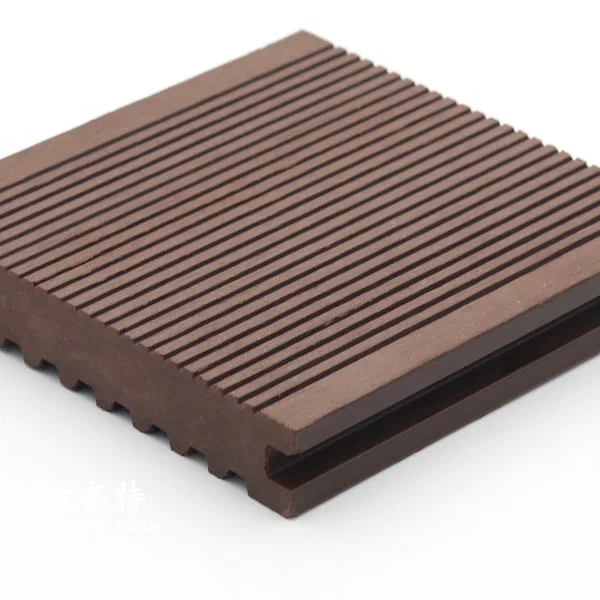
When selecting composite deck railing posts, understanding the impact of raw materials like wood powder, HDPE or PVC polymers, additives, pigments, and modifiers is crucial. These components significantly influence the durability, weather resistance, and overall performance of outdoor Wood Plastic Composite (WPC) products.
The Role of Wood Powder
Wood powder serves as the primary filler in WPC formulations, providing not only structural integrity but also enhancing the aesthetic appeal. The particle size and quality of wood powder directly affect the product’s strength and resilience. Higher-quality wood powder results in better bonding with polymers, improving durability and reducing the likelihood of cracks or splits over time. Regular quality checks, such as analyzing particle size distribution and moisture content, are essential to ensure optimal performance.

Importance of Polymers
The choice between HDPE and PVC polymers is fundamental in determining the weather resistance and durability of WPC products. HDPE offers superior flexibility and resistance to UV degradation, making it ideal for outdoor applications. On the other hand, PVC provides excellent chemical resistance and rigidity, which can be beneficial in specific environments. To maintain high standards, factories should routinely perform stress tests and environmental simulations to assess the performance of these polymers under various conditions.
Additives and Their Impact
Additives play a vital role in enhancing the properties of WPC products. They can include stabilizers, lubricants, and flame retardants, which improve processing and end-use characteristics. For instance, UV stabilizers help prevent color fading and degradation from sunlight exposure. Conducting thorough analyses of additive concentrations and their compatibility with base materials is crucial for maintaining product quality. Regular inspections should include tests for thermal stability and compatibility to ensure that additives do not adversely affect the final product.
Pigments and Color Stability
Pigments not only contribute to the visual appeal but also impact the weather resistance of WPC products. High-quality pigments ensure that colors remain vibrant and resistant to fading under UV exposure. Using inferior pigments can lead to discoloration and reduced aesthetic value over time. Factories should implement color matching and fading tests to ensure the consistency and durability of pigments used in their formulations.
Modifiers for Enhanced Performance
Modifiers are essential for improving the mechanical properties of WPC products. They can enhance flexibility, impact resistance, and overall strength. For instance, elastomers may be added to improve impact resistance, while coupling agents can enhance the bonding between wood fibers and polymers. Regular quality assessments involving tensile and flexural strength tests can help manufacturers ensure that modifiers are effectively contributing to the performance of the final product.
Practical Inspection Methods
To maintain product quality, specific inspection methods should be employed throughout the manufacturing process. These may include:
- Visual inspections for surface defects.
- Moisture content tests for wood powder.
- Tensile and flexural strength testing for finished products.
- Weathering tests to simulate long-term outdoor exposure.
- Color stability assessments to evaluate pigment performance.
Establishing comprehensive quality standards that align with international benchmarks is essential for manufacturers to ensure reliability and customer satisfaction.
By focusing on these key raw materials and implementing rigorous quality control measures, manufacturers can produce composite deck railing posts that are durable, weather-resistant, and high-performing, meeting the demands of the outdoor environment.
Related Articles
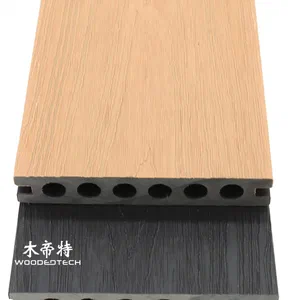 Essential Buying Criteria for Decking Composite Boards: A 2023 Guide for Businesses
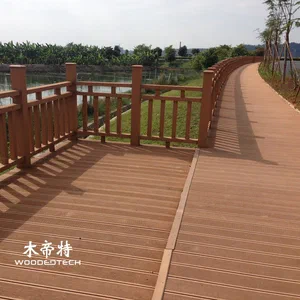 Optimizing Composite Decking Layout: Best Practices for Industrial Applications in 2023
 Plastic Wood Deck Floor Offers Low Maintenance And Natural Looking Outdoor Flooring Performance
 Waterproof Plastic Wood Provides Reliable Outdoor Performance In Different Weather Conditions
Related Products
 GD13820 M Shape Co Extruded Composite Deck Planks Feature a Special Profile Design for Distinctive Outdoor Decking Applications
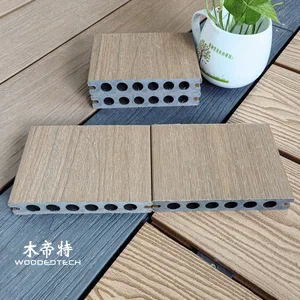 GD13823 Double Sided Flat Surface Co Extruded WPC Decking Features a Popular Width and Thickness with Round Hollow Structure
 GD13823-3 Composite Boards for Decking Are Available in Multiple Stock Colors with 3 Meter Lengths and Single Piece Delivery