
Essential Buying Criteria for Decking Composite Boards: A 2023 Guide for Businesses
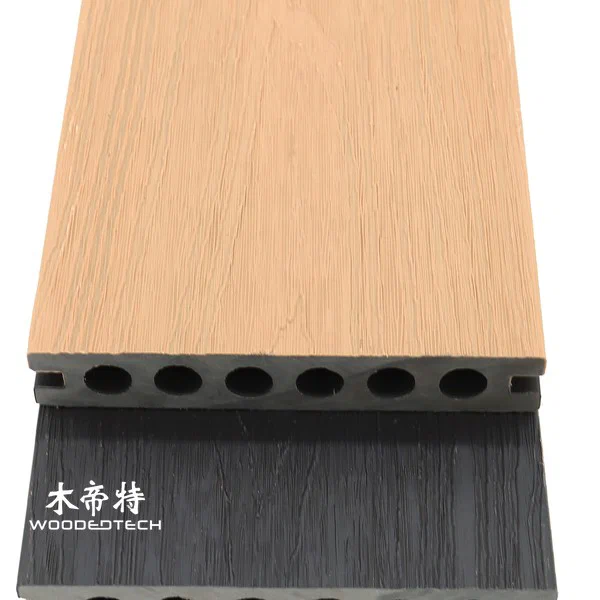
The quality of outdoor wood-plastic composite (WPC) products hinges on several key components, including wood powder, HDPE/PVC polymers, additives, pigments, and modifiers. Each of these elements plays a crucial role in enhancing the durability, weather resistance, and overall performance of WPC decking boards. Understanding their impact is essential for businesses looking to invest in high-quality products.
Key Components of WPC

Wood Powder
Wood powder serves as the primary filler in WPC, providing the natural aesthetic and tactile qualities associated with wood. The quality and processing of wood powder significantly influence the composite’s mechanical properties. Fine, uniformly sized wood powder can enhance the bonding with polymers, improving strength and durability. Conversely, poorly processed wood can lead to inconsistencies, making the product more susceptible to weathering and decay.
HDPE/PVC Polymers
The choice of polymer, whether HDPE (high-density polyethylene) or PVC (polyvinyl chloride), affects the composite’s structural integrity and moisture resistance. HDPE is known for its superior impact resistance and flexibility, while PVC offers enhanced rigidity and UV resistance. Manufacturers often blend these polymers to balance performance characteristics, ensuring that the final product withstands outdoor conditions.
Additives and Modifiers
Additives play a vital role in enhancing the performance of WPC products. Common additives include UV stabilizers, anti-fungal agents, and fire retardants. These substances help improve the material’s resistance to fading, mold, and fire, ensuring longevity. Modifiers, such as coupling agents, improve the interaction between wood fibers and plastics, leading to better mechanical properties and moisture resistance.
Pigments
Pigments add color and aesthetic appeal to WPC. However, not all pigments are created equal. High-quality pigments provide UV stability, preventing color fading over time. They also help enhance the product’s overall surface finish, making it more visually appealing while also contributing to its weather resistance.
Practical Factory Inspection Methods
To ensure the quality of materials used in WPC production, rigorous inspection methods are essential. Here are some effective practices:
- Raw Material Testing: Conduct tests on wood powder for moisture content and particle size distribution. Use a sieve analysis to ensure uniformity.
- Polymer Quality Assessment: Evaluate the physical properties of polymers, including tensile strength and elongation at break, using standardized test methods.
- Additive Efficacy: Test the effectiveness of additives through accelerated weathering tests, simulating long-term exposure to UV light and moisture.
- Color Consistency Check: Use spectrophotometry to measure color consistency and ensure that pigments meet specified standards.
Quality Standards
Adhering to recognized quality standards is crucial for maintaining product integrity. For WPC products, relevant standards include:
- ASTM D7032: This standard provides specifications for the performance of WPC decking, focusing on structural integrity and durability.
- ISO 9001: Implementing a quality management system under this standard ensures consistent quality and continuous improvement in processes.
- EN 15534: This European standard outlines the requirements for WPC products, including performance characteristics related to weather resistance and mechanical properties.
By adhering to these standards and employing thorough inspection methods, manufacturers can ensure that their WPC products meet the highest quality benchmarks, offering businesses reliable and durable solutions for outdoor applications. Investing in superior raw materials and rigorous quality control processes will ultimately lead to enhanced customer satisfaction and long-term success in the competitive outdoor WPC market.
Related Articles
 Plastic Wood Deck Floor Offers Low Maintenance And Natural Looking Outdoor Flooring Performance
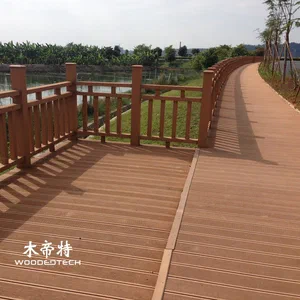 Optimizing Composite Decking Layout: Best Practices for Industrial Applications in 2023
 Waterproof Plastic Wood Provides Reliable Outdoor Performance In Different Weather Conditions
 Best WPC Decking Provides High Quality Outdoor Flooring Solutions for Global Markets
Related Products
 GD13820 M Shape Co Extruded Composite Deck Planks Feature a Special Profile Design for Distinctive Outdoor Decking Applications
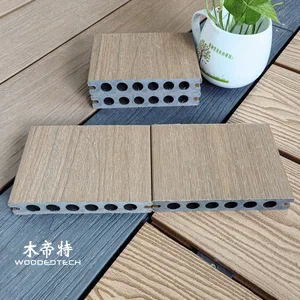 GD13823 Double Sided Flat Surface Co Extruded WPC Decking Features a Popular Width and Thickness with Round Hollow Structure
 GD13823-3 Composite Boards for Decking Are Available in Multiple Stock Colors with 3 Meter Lengths and Single Piece Delivery