
Enhancing Safety in Industrial Spaces: The Benefits of WPC Treppenstufen Rutschfest
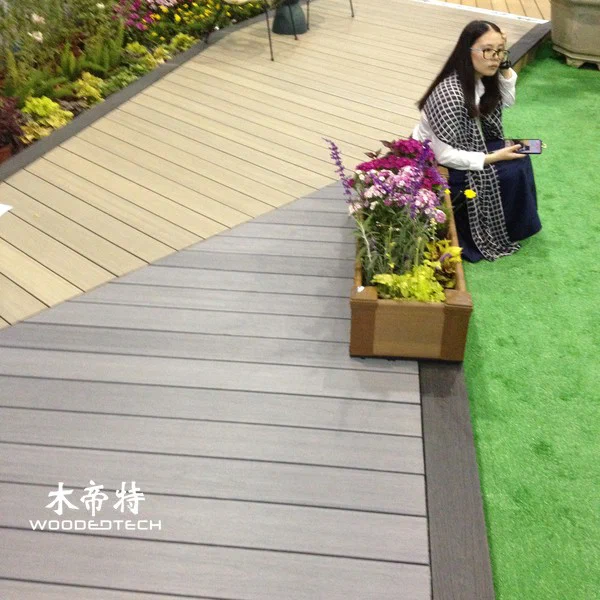
WPC (Wood Plastic Composite) materials are increasingly used by architects and landscape designers to create durable, low-maintenance outdoor environments. These materials combine the aesthetic appeal of wood with the resilience of plastic, making them ideal for a variety of applications, including flooring, cladding, and railings.
Benefits of WPC in Outdoor Spaces
WPC products offer a range of advantages for outdoor environments. They are resistant to moisture, insects, and rot, which makes them particularly suitable for areas exposed to the elements. This durability translates to a longer lifespan compared to traditional wood, reducing the need for frequent replacements. Additionally, WPC materials require minimal maintenance, saving time and costs for property owners.
Another key benefit of WPC is its slip resistance, especially in wet conditions. This characteristic is crucial in industrial spaces where safety is a priority. WPC stair treads, for instance, can provide a secure footing, minimizing the risk of accidents and ensuring compliance with safety regulations.
Project Considerations
When incorporating WPC products into a project, several considerations come into play:
- Location and Climate: Understanding the specific environmental conditions of the project site helps in selecting the appropriate type of WPC. For example, areas with high humidity may require fully capped WPC products to enhance moisture resistance.
- Foot Traffic: High-traffic areas, such as walkways and stairs, benefit from WPC materials designed for durability and slip resistance. Anti-slip features are essential for ensuring safety in these locations.
- Aesthetic Preferences: WPC products are available in various colors and textures, allowing designers to match the materials with the overall design theme of the space. This flexibility can enhance the visual appeal of outdoor areas.
Material Selection Advice
Choosing the right WPC products involves evaluating several factors:
Capped vs. Uncapped WPC: Capped WPC offers enhanced protection against fading, staining, and moisture, making it suitable for outdoor applications. Uncapped WPC, while generally more economical, may require more frequent maintenance.
Thickness and Density: Thicker and denser WPC products often provide better durability and slip resistance. For stair treads, a thicker profile can improve safety while also enhancing the overall strength of the installation.
Manufacturer Reputation: Selecting products from reputable manufacturers ensures quality and longevity. It’s important to review product specifications and warranties to understand the expected performance.
Environmental Impact: Many WPC products are made from recycled materials, making them an eco-friendly choice. Understanding the materials used in manufacturing can help align projects with sustainability goals.

Incorporating WPC materials into outdoor spaces offers a blend of durability, low maintenance, and aesthetic versatility. Architects and landscape designers can create safe, appealing environments that stand the test of time while minimizing environmental impact.
Related Articles
 Innovative Applications of WPC Wood Flooring in Industrial Settings: 2023 Insights
 Innovative Composite Deck Handrail Solutions for Enhanced Safety and Aesthetics in 2023
 Composite Garden Fence for Durable Privacy Protection and Attractive Outdoor Landscape Design
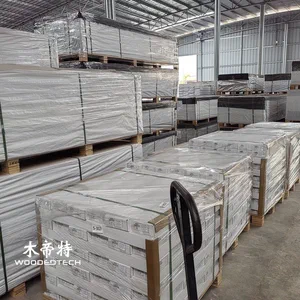 Best Practices for Composite Floor Deck Installation: A Comprehensive Guide for 2023
Related Products
 GD13823-3 Composite Boards for Decking Are Available in Multiple Stock Colors with 3 Meter Lengths and Single Piece Delivery
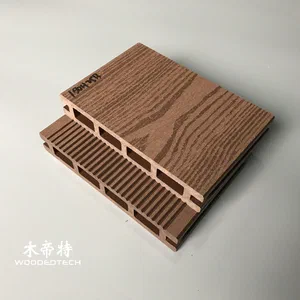 D15025-2 Classic Waterproof Insect Resistant Corrosion Resistant And Termite Resistant Composite Decking Types With Twenty Years Of Sales Experience
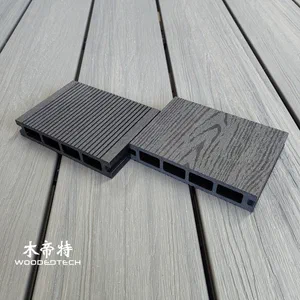 D14025-4 WPC Decking Boards Feature a Flat Wood Grain Surface with Black Ebony Heartwood Ring Grain for Outdoor Applications