
Enhancing Outdoor Spaces with Custom Composite Decks: A Comprehensive Guide for Businesses
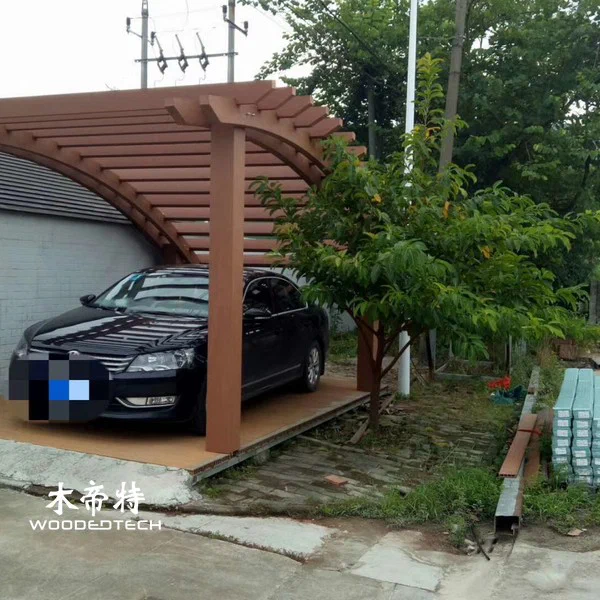
Modern design trends in outdoor composite products are transforming spaces into stylish, functional, and enduring environments. Businesses looking to enhance their offerings in composite decking, wall panels, fences, pergolas, gazebos, and landscape products can capitalize on these trends. By focusing on colors, textures, profiles, and modular designs, companies can significantly improve the aesthetic and practical aspects of outdoor spaces.
Color Innovations
The choice of color is vital in outdoor design, with natural tones gaining popularity as they blend seamlessly with the environment. Shades like warm browns, rich grays, and deep greens not only mimic the look of real wood but also evoke a sense of tranquility. Bold colors are also making their mark, allowing for eye-catching accents that can define spaces. Businesses should consider offering a diverse palette to cater to various styles, whether modern, rustic, or coastal.
Textural Diversity
Texture plays a crucial role in the overall feel of outdoor products. Advances in technology have led to the development of 3D embossed surfaces that replicate the look and feel of natural materials. These textures enhance the visual appeal while providing a non-slip surface, making them suitable for areas exposed to moisture. Incorporating various textures in composite decking and wall panels can create dynamic contrasts and visual interest that elevate any outdoor project.
Innovative Profiles
The profile of composite products is another area where modern design is making an impact. Sleek, streamlined profiles are favored for their contemporary look, while wider boards can create a more robust appearance. Custom profiles allow businesses to offer unique solutions tailored to specific design requirements, making it possible to achieve a bespoke look without the associated costs of traditional materials. This flexibility can appeal to architects and designers looking to differentiate their projects.
Modular Design Concepts
Modular designs are increasingly popular for their versatility and ease of installation. Products that come in interlocking or snap-together formats simplify the assembly process, allowing for quicker project completion. This is particularly appealing for DIY enthusiasts and contractors who value efficiency. Additionally, modularity enables the creation of customizable outdoor spaces that can adapt over time, accommodating changing needs and preferences.
Sustainability Considerations

As consumers become more environmentally conscious, the demand for sustainable products is on the rise. Composite materials, often made from recycled plastics and wood fibers, provide an eco-friendly alternative to traditional wood. Highlighting the sustainability aspect of composite products can attract a broader customer base, especially among businesses aiming to align with green initiatives. Additionally, low-maintenance features of composite materials reduce the need for chemicals and frequent upkeep, further supporting sustainable practices.
Enhanced Functionality
Modern composite outdoor products are designed not just for aesthetics but also for functionality. Features such as built-in drainage systems in decking, integrated lighting options, and multi-purpose furniture can enhance user experience. Outdoor living spaces are evolving to be extensions of the indoor environment, and businesses should focus on products that encourage this seamless transition. By offering multifunctional products, companies can meet the growing demand for versatile outdoor solutions.
The combination of modern colors, textures, innovative profiles, and modular designs is reshaping how outdoor spaces are conceived and utilized. Companies that embrace these design trends in their composite offerings will not only enhance their product lines but also contribute to the creation of beautiful, functional outdoor environments.
Related Articles
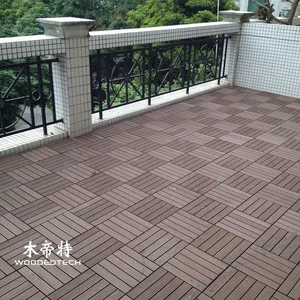 Innovative Applications of WPC Panels in Modern Industrial Design: Trends for 2023
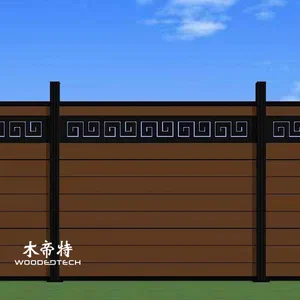 Innovative Composite Deck Designs: Enhancing Durability and Aesthetic Appeal in 2023
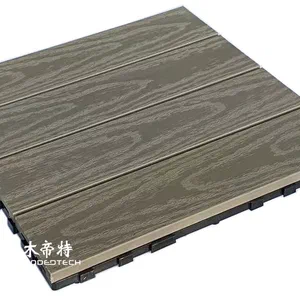 Enhancing Outdoor Spaces: The Advantages of WPC Decking Boards in 2023
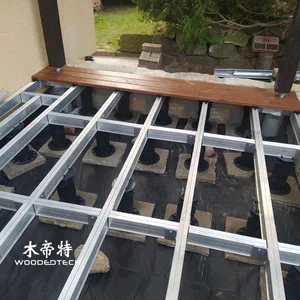 Exploring the Various Types of Composite Deck: A Comprehensive Guide for 2023
Related Products
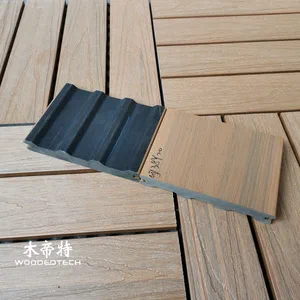 GD13820 M Shape Co Extruded Composite Deck Planks Feature a Special Profile Design for Distinctive Outdoor Decking Applications
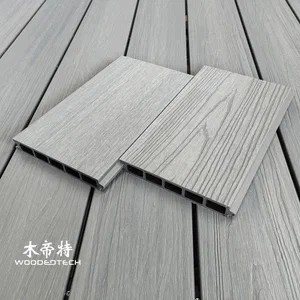 3DGL18024 Composite Decking Fence Features Premium Co Extruded 3D Embossed Antique Wood Grain Texture with Realistic Natural Wood Fibers
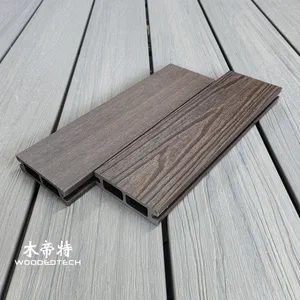 3DGL9024 Composite Decks and Railings Feature Premium Co Extruded 3D Embossed Rosewood Grain Texture with Realistic Natural Wood Fibers