
Enhancing Outdoor Spaces: The Benefits of WPC Fencing for Industrial Applications
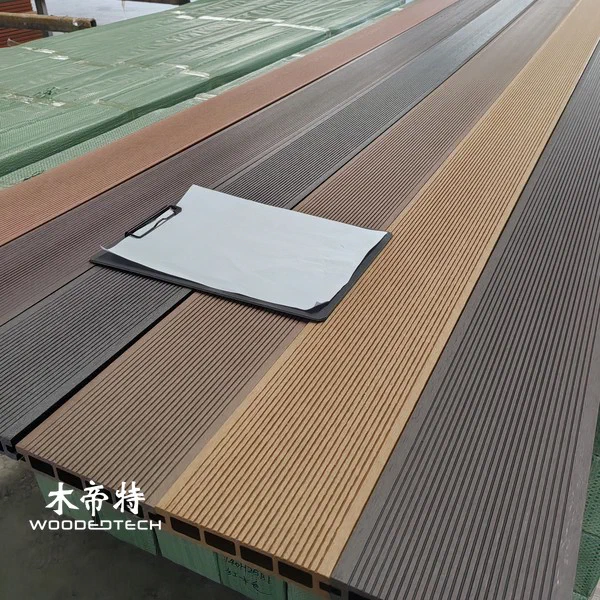
WPC (Wood Plastic Composite) fencing offers architects and landscape designers a versatile solution for creating durable and low-maintenance outdoor environments. By combining wood fibers with plastic, WPC products provide aesthetic appeal and resilience, making them ideal for industrial applications. This article explores how these materials can enhance outdoor spaces, along with key considerations for project planning and material selection.
Benefits of WPC Fencing
WPC fencing is known for its durability and low maintenance. Unlike traditional wood, it does not warp, crack, or splinter, thereby reducing long-term upkeep costs. This makes it particularly appealing for commercial settings where aesthetics must meet functionality. Additionally, WPC is resistant to pests and mold, ensuring a longer lifespan even in harsh weather conditions.
- Weather-resistant and UV-stabilized
- Low absorption of moisture
- Available in various colors and finishes
- Eco-friendly materials
Project Considerations
When integrating WPC fencing into a project, several factors should be considered. First, assess the specific needs of the environment, including exposure to elements such as sunlight, moisture, and temperature fluctuations. Understanding the intended use of the space and the level of foot traffic will also influence the choice of materials.
Another vital aspect is the aesthetic integration of WPC fencing with existing structures. Landscape designers often select colors and textures that complement the overall design theme, ensuring that the fencing enhances rather than detracts from the visual appeal.
Material Selection Advice
Choosing the right WPC product involves understanding the different types available. For instance, co-extruded WPC offers additional protection against weathering and fading, making it suitable for areas with extreme conditions. Capped WPC provides an extra layer of durability, ideal for high-traffic zones.
When selecting WPC materials, consider:

- Application type: fencing, decking, or wall cladding
- Color and finish options that align with design specifications
- Manufacturer reputation and warranty details
- Environmental certifications to ensure sustainability
Collaboration with manufacturers can also help tailor WPC solutions to specific project requirements, enabling bespoke designs that meet unique client needs.
Conclusion
Related Articles
 Evaluating Top Brands of Composite Decking for Sustainable Building Solutions
 Exploring WPC Plywood: The Future of Sustainable Building Materials in 2023
 Comparing WPC Massiv oder Hohlkammer: Key Factors for Industrial Applications in 2023
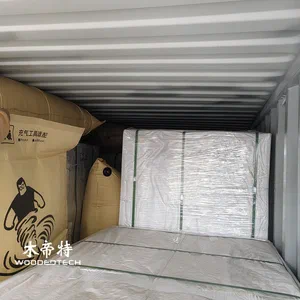 Exploring the Benefits of Plastic Wood Look Cladding for Modern Industrial Applications
Related Products
 GD13823-3 Composite Boards for Decking Are Available in Multiple Stock Colors with 3 Meter Lengths and Single Piece Delivery
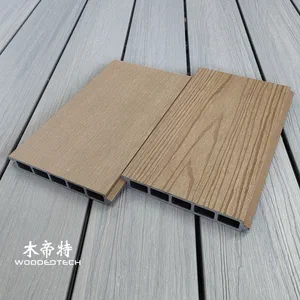 3DGL18024 WPC Longboard Fence Features Premium Co Extruded 3D Embossed Teak Wood Grain Texture with Realistic Natural Wood Fibers
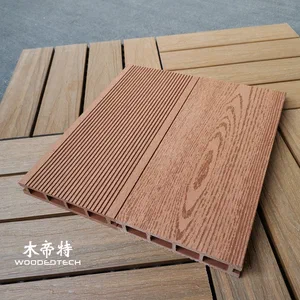 The Classic D14025-4 Red Wood WPC Wood Sheet Features a Timeless 2D Flat Wood Grain Design That Remains Popular After Twenty Years