
Enhancing Outdoor Spaces: The Benefits of Composite Garden Screens for Businesses in 2023
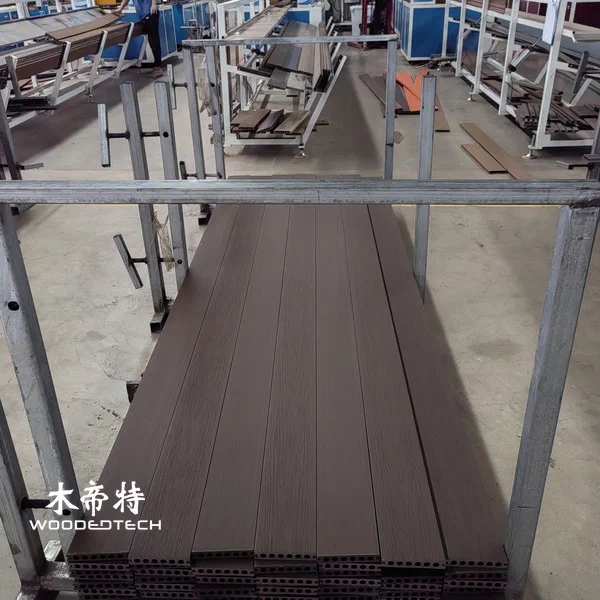
Architects and landscape designers increasingly turn to wood plastic composite (WPC) materials, particularly composite garden screens, to enhance outdoor spaces. These products offer a blend of durability and low maintenance, making them ideal for creating functional and aesthetically pleasing environments.
Benefits of WPC Products
WPC materials combine the best properties of wood and plastic, resulting in products that are resistant to rot, warping, and fading. This durability translates into lower lifecycle costs for businesses, as these materials require minimal upkeep compared to traditional wood. Composite garden screens provide privacy without compromising the visual appeal of outdoor areas.
Additionally, WPC products are eco-friendly, as they are often made from recycled materials, making them an attractive choice for businesses aiming to promote sustainability. They also come in a variety of colors and textures, allowing designers to create custom solutions that fit their project’s vision.
Project Considerations
When incorporating WPC materials into outdoor designs, several factors should be considered:
- Climate and Environment: Assess the local climate to select appropriate materials that can withstand weather conditions such as high humidity, UV exposure, and temperature fluctuations.
- Usage and Traffic: Consider how the space will be used. High-traffic areas may require more robust materials to handle wear over time.
- Design Aesthetics: WPC products are available in various styles, enabling designers to match them with the overall design concept, whether modern or traditional.
Material Selection Advice
Choosing the right WPC products involves evaluating various options based on specific project needs:
- Capped vs. Uncapped WPC: Capped composites offer superior resistance to moisture and stains, making them a better choice for outdoor applications. Uncapped composites may be more affordable but can deteriorate faster.
- Texture and Finish: Selecting the right surface texture can enhance slip resistance and contribute to the overall look of the installation. Textured finishes may also hide scratches or wear more effectively.
- Color and Design: WPC products come in multiple colors and finishes that can simulate the look of natural wood. Designers should select colors that complement other elements of the landscape and align with branding objectives.

Conclusion
The adoption of WPC materials, especially composite garden screens, is transforming outdoor spaces for businesses. With their durability, low maintenance requirements, and eco-friendly attributes, these products provide an excellent solution for architects and landscape designers looking to create lasting and beautiful environments.
Related Articles
 Exploring Composite Wall Panels Exterior: Benefits and Applications for 2023
 WPC Wall Panel Suppliers for Outdoor Building Projects Exterior Cladding and Architectural Applications
 Essential Guide to Exterior WPC Wall Panel Installation: Best Practices for 2023
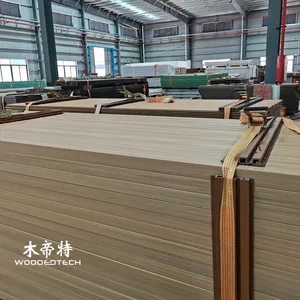 WPC Walls: Industrial Applications, Performance Benefits, and Material Selection Guide
Related Products
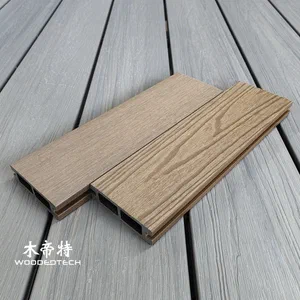 3DGL9024 Composite Fence Features Premium Co Extruded 3D Embossed Teak Wood Grain Texture with Realistic Natural Wood Fibers
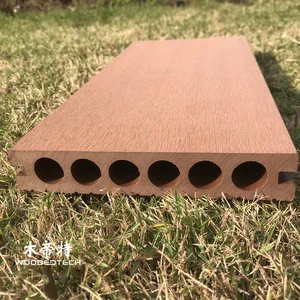 The D14025-5 Wood Composite Panels Feature a Classic Round Hole Design with Optional Embossed Wood Grain and Grooved Surfaces for Outdoor Durability
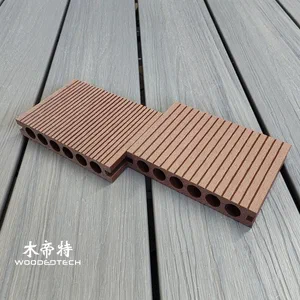 D14025-5 First Generation Large And Small Groove Redwood Color WPC Panel Material With Popular Outdoor Appearance