
Enhancing Outdoor Durability: Composite Decking UV Resistance Insights for 2023
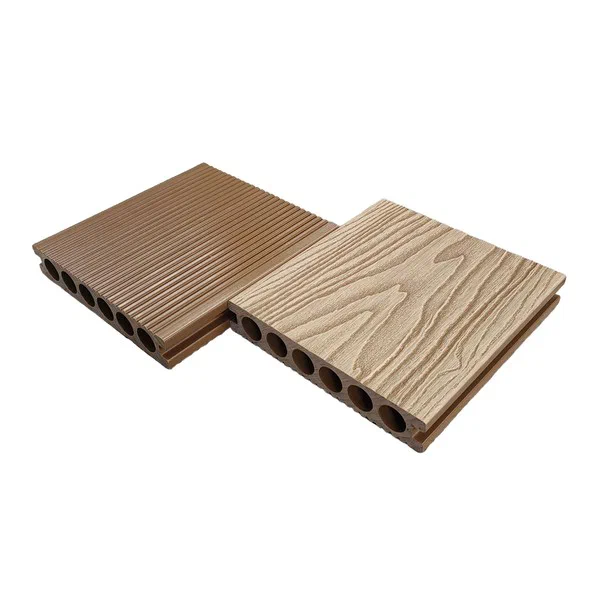
Outdoor wood plastic composites (WPC) have gained popularity due to their durability and low maintenance requirements. Key components such as wood powder, HDPE or PVC polymers, additives, pigments, and modifiers play a crucial role in determining the performance and longevity of these materials. This article explores how these elements influence durability, weather resistance, and overall performance in outdoor settings, alongside practical factory inspection methods and quality standards.
Key Components and Their Effects
Wood Powder
Wood powder serves as the primary filler in WPC, contributing to the material’s aesthetic appeal and texture. However, its quality significantly impacts the composite’s strength and durability. Fine, well-processed wood powder enhances bonding with polymers, improving dimensional stability and reducing warping. Conversely, low-quality wood powder can lead to inconsistencies and a decrease in the overall mechanical properties of the final product.
HDPE/PVC Polymers
The choice between HDPE and PVC polymers is fundamental in determining a WPC’s durability. HDPE is known for its excellent resistance to moisture, chemicals, and UV radiation, making it suitable for outdoor applications. PVC, on the other hand, offers good rigidity and strength. The polymer type affects the composite’s thermal expansion properties and its ability to withstand environmental stressors such as temperature fluctuations and UV exposure.
Additives
Additives are essential for enhancing the performance of WPCs. UV stabilizers protect against sun damage, while antioxidants prevent degradation from exposure to oxygen. Other additives such as flame retardants and biocides help improve safety and resistance to pests and fungi. The quality and type of additives used can significantly influence the longevity and safety of the final product.
Pigments and Color Stability
Pigments not only provide color but also play a role in UV resistance. High-quality pigments can improve color retention, preventing fading and maintaining aesthetic appeal over time. The right pigments can also enhance the thermal properties of WPCs, making them more suitable for extreme weather conditions.
Modifiers
Modifiers, including coupling agents and processing aids, improve the interfacial bonding between wood and polymer phases in WPC. This enhanced adhesion leads to better mechanical properties and improved durability. Modifiers can also make processing easier, influencing the efficiency of manufacturing processes.

Practical Factory Inspection Methods
To ensure high-quality WPC products, several inspection methods are essential during the manufacturing process:
- Raw Material Testing: Testing wood powder for moisture content, particle size distribution, and purity ensures that the inputs meet quality standards.
- Polymer Quality Checks: Assessing the polymer’s viscosity and thermal properties helps in determining its suitability for WPC production.
- Additive Efficacy Tests: Conducting stability tests on additives can gauge their effectiveness over time, ensuring they will provide the intended protection.
- Color Consistency Evaluation: Regular checks for color consistency across batches ensure uniformity and quality in the final products.
- Mechanical Property Testing: Performing tensile, flexural, and impact tests on finished WPC samples can validate their strength and durability.
Quality Standards
Compliance with industry standards is crucial for ensuring the quality and performance of WPC products. Various international and regional standards govern the testing and classification of WPC materials. These may include:
- ASTM D7032: This standard outlines the requirements for WPC decking and includes tests for mechanical properties, durability, and performance in weathering conditions.
- ISO 22157: This standard focuses on the testing of WPCs, assessing their physical and mechanical properties.
- EN 15534: A European standard that specifies the requirements for WPC products, including safety, performance, and environmental impact.
By adhering to these standards, manufacturers can ensure their products meet the necessary durability and performance criteria for outdoor applications.
The combination of high-quality raw materials, effective additives, and rigorous inspection processes leads to the production of WPC products that are not only visually appealing but also robust and suited for various outdoor environments. Continuous improvements in manufacturing practices and adherence to quality standards will further enhance the longevity and performance of these innovative composite materials.
Related Articles
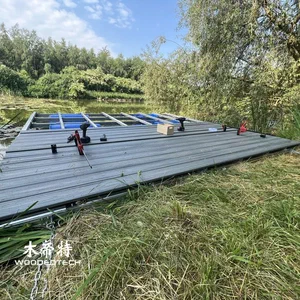 WPC Plywood for Outdoor Building Panels Furniture Components and Custom Architectural Applications
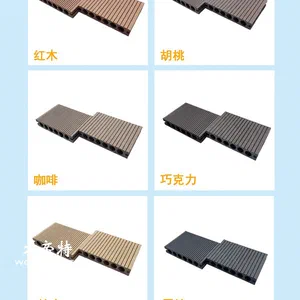 WPC Deck Flooring for Durable Outdoor Patios Gardens Balconies and Landscape Applications
 WPC Wooden Decking Combines Natural Wood Appearance With Modern Composite Material Advantages
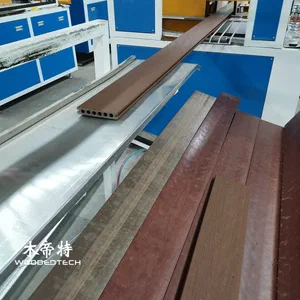 Plastic Wood Panels Exterior for Durable Outdoor Walls Cladding and Building Applications
Related Products
 GD13820 M Shape Co Extruded Composite Deck Planks Feature a Special Profile Design for Distinctive Outdoor Decking Applications
 GD13823 Double Sided Flat Surface Co Extruded WPC Decking Features a Popular Width and Thickness with Round Hollow Structure
 GD13823-3 Composite Boards for Decking Are Available in Multiple Stock Colors with 3 Meter Lengths and Single Piece Delivery