
Enhancing Industrial Spaces: The Benefits of Plastic Wood Panels in 2023
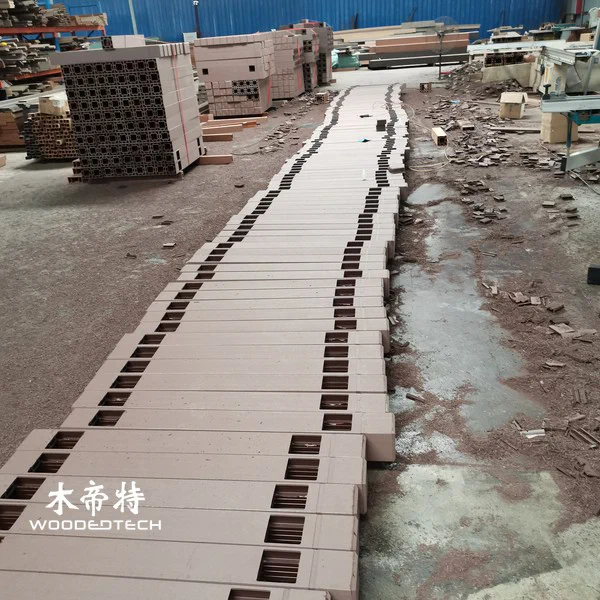
Modern design trends in outdoor spaces focus on enhancing aesthetics and functionality through the use of composite materials such as wood-plastic composites (WPC). Products like composite decking, wall panels, fences, pergolas, gazebos, and landscape elements are evolving to meet both style and sustainability demands. By utilizing innovative colors, textures, profiles, and modular designs, these products significantly improve outdoor environments.
Color Trends in Composite Products
Color plays a pivotal role in transforming outdoor spaces. WPC products are available in a variety of shades that mimic natural wood, allowing for a seamless blend with nature. In 2023, earthy tones like browns and greens are favored, as they evoke a sense of tranquility and connection to the outdoors. Additionally, bold colors are emerging for more contemporary designs, providing a striking contrast against natural landscapes. These color options not only enhance aesthetic appeal but also contribute to the overall mood of the space.
Texture and Finish Innovations
The texture of composite materials has seen substantial advancements. 3D embossed finishes are particularly popular, offering a realistic wood grain look while ensuring low maintenance. This texture not only enhances the visual appeal but also provides a slip-resistant surface, making it suitable for various outdoor settings. Smooth finishes are also in demand for a sleek, modern look. The choice of texture can influence the tactile experience of the space, further enriching the interaction between users and their surroundings.
Versatile Profiles for Customization
Composite products come in diverse profiles that allow for flexibility in design. Whether it’s for decking, fencing, or cladding, various design profiles facilitate creative applications in outdoor spaces. Customizable options enable designers to create unique layouts that cater to specific aesthetic preferences and functional needs. This versatility helps in adapting spaces to fit the desired use, whether it be for relaxation, entertainment, or professional settings.
Modular Designs for Easy Installation

Modular designs are gaining traction due to their ease of installation and adaptability. Composite decking tiles, for example, can be easily assembled and disassembled, allowing for quick modifications to outdoor layouts. This feature is especially beneficial in commercial environments where spaces may need to be reconfigured frequently. Modular systems also promote sustainable practices, as they reduce waste and allow for component replacement without the need for complete overhauls.
Sustainable and Low-Maintenance Solutions
Sustainability remains a critical factor in product design. WPC products are made from recycled materials, which reduces environmental impact while providing long-lasting durability. These materials are resistant to rot, decay, and insect damage, making them ideal for outdoor use. Furthermore, their low-maintenance nature means less time spent on upkeep, allowing businesses and homeowners to enjoy their spaces without the constant worry of deterioration.
Enhancing Functional Spaces
The integration of composite materials into outdoor design not only enhances aesthetics but also improves functionality. Features such as built-in lighting in pergolas or integrated storage in benches add to the usability of outdoor areas. These functional elements can transform an ordinary space into a versatile environment suited for gatherings, relaxation, or professional engagements.
As the demand for stylish and sustainable outdoor solutions grows, the use of wood-plastic composites continues to rise. By embracing modern design trends in color, texture, profile, and modularity, designers can create captivating outdoor environments that serve both aesthetic and functional purposes.
Related Articles
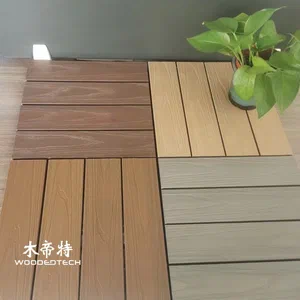 Optimizing Outdoor Spaces: The Benefits of Composite Planks for Decks in 2023
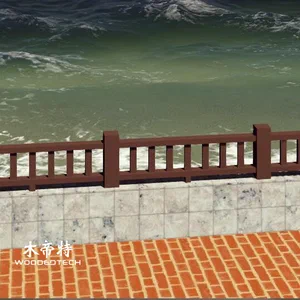 Innovations in Composite Decking and Fencing: Enhancing Outdoor Spaces in 2024
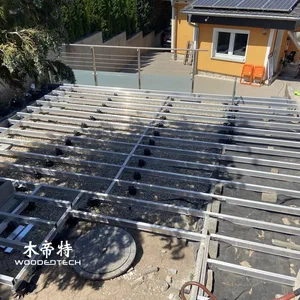 Enhancing Durability and Aesthetics: Composite Decking Edging Trim Solutions for 2023
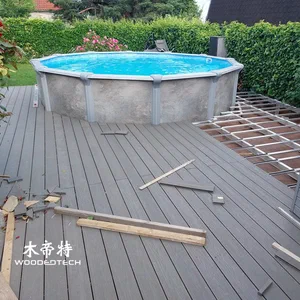 Exploring WPC Cladding Texture: Innovations and Applications for 2023
Related Products
 GD13820 M Shape Co Extruded Composite Deck Planks Feature a Special Profile Design for Distinctive Outdoor Decking Applications
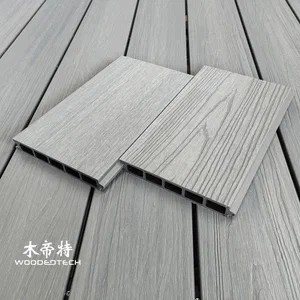 3DGL18024 Composite Decking Fence Features Premium Co Extruded 3D Embossed Antique Wood Grain Texture with Realistic Natural Wood Fibers
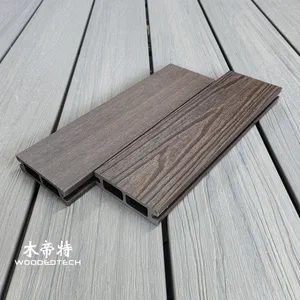 3DGL9024 Composite Decks and Railings Feature Premium Co Extruded 3D Embossed Rosewood Grain Texture with Realistic Natural Wood Fibers