
Enhancing Industrial Perimeters: The Advantages of Composite Fencing in 2023
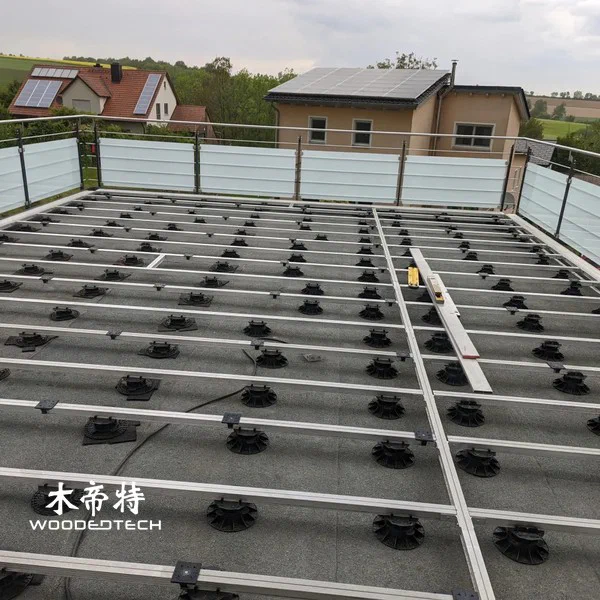
Architects and landscape designers increasingly incorporate Wood Plastic Composite (WPC) materials into their outdoor projects due to their durability and low maintenance requirements. These materials enhance the aesthetic appeal and functionality of outdoor spaces, particularly in industrial settings where resilience and longevity are essential.
Benefits of WPC in Outdoor Environments
WPC products offer several advantages that make them an ideal choice for outdoor environments. Their resistance to weather conditions, such as moisture, UV rays, and temperature fluctuations, ensures that they maintain their appearance and structural integrity over time. Unlike traditional wood, WPC does not splinter, warp, or require regular sealing and staining, significantly reducing maintenance efforts.
- Resistant to rot and decay
- Non-slip surface options available
- Available in various colors and textures
- Eco-friendly, often made from recycled materials
These characteristics make WPC a practical solution for various outdoor applications, including fencing, decking, and cladding, particularly in industrial perimeters.
Project Considerations
When selecting WPC products for a project, architects and designers must consider several factors to ensure optimal performance and aesthetics.
Location: The geographical setting impacts the choice of material. Areas with high humidity or extreme temperatures may require specific WPC formulations designed to withstand these conditions.
Usage: Understanding the intended use of the space helps determine the appropriate type of WPC. For example, products with anti-slip surfaces are ideal for walkways and poolside areas.
Design Aesthetics: WPC comes in a variety of colors and finishes. Designers can select options that complement the surrounding architecture and landscape, enhancing the overall visual appeal.
Budget: WPC products vary in price. While some may have a higher upfront cost, their longevity and reduced maintenance can lead to cost savings over time.
Material Selection Advice
Choosing the right WPC product involves evaluating both the functional and aesthetic requirements of the project. When selecting materials, consider the following:

- Capped vs. Uncapped WPC: Capped WPC products have a protective layer that enhances their durability against moisture and staining, making them suitable for high-traffic areas.
- Texture and Finish: Options like embossed or grooved surfaces provide different looks and functionalities. A textured surface can add visual interest while enhancing slip resistance.
- Environmental Impact: Many WPC products are made from recycled materials, offering sustainability benefits. Verify the manufacturer’s commitment to eco-friendly practices.
Enhancing Industrial Perimeters
WPC fencing is particularly beneficial for enhancing industrial perimeters. It offers a modern aesthetic while providing security and privacy. The durability of WPC ensures that the fencing remains intact in harsh environments, reducing the need for repairs or replacements.
Moreover, using WPC for perimeter fencing can help mitigate noise and improve the visual environment. The variety of design options available allows architects to create barriers that not only serve functional purposes but also contribute positively to the landscape.
The integration of WPC in outdoor design is a forward-thinking approach that aligns well with contemporary architectural trends. By focusing on durability, low maintenance, and aesthetic appeal, architects and landscape designers can create outdoor spaces that meet the demands of both function and beauty.
Related Articles
 Exploring Composite Deck Tiles at Lowes: A Comprehensive Guide for Businesses in 2023
 Exploring Composite Wall Panels Exterior: Benefits and Applications for 2023
 Innovative Applications of Composite Deck Boards for Modern Industrial Projects
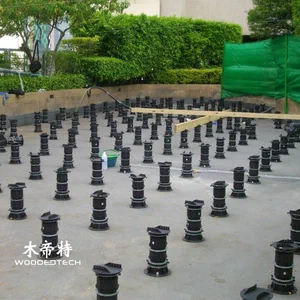 Innovative Applications of WPC Vlonderplanken in Modern Industrial Landscaping
Related Products
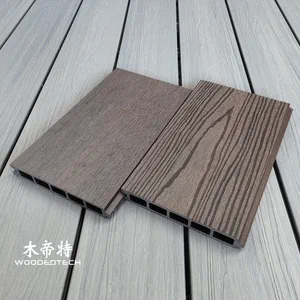 3DGL18024 Composite Fence Panels Feature Premium Co Extruded 3D Embossed Rosewood Grain Texture with Realistic Natural Wood Fibers
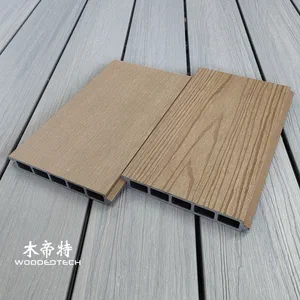 3DGL18024 WPC Longboard Fence Features Premium Co Extruded 3D Embossed Teak Wood Grain Texture with Realistic Natural Wood Fibers
 wood polymer composite fence becomes more stable and durable with aluminum post support systems