
Enhancing Industrial Lighting Solutions with WPC Fortled: A 2023 Overview
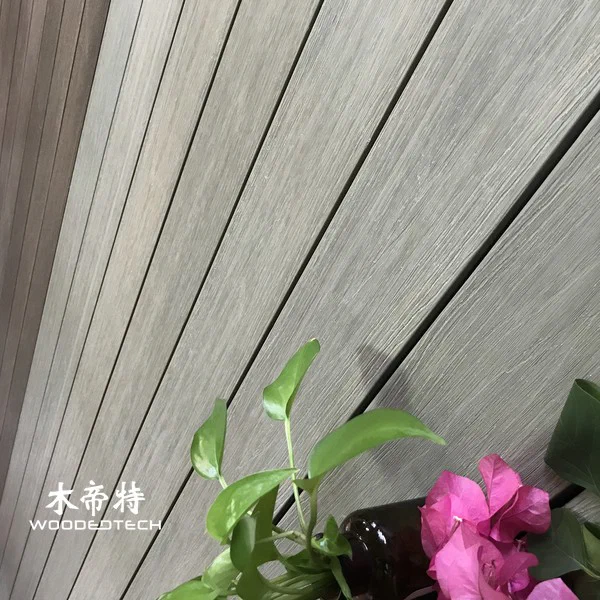
Modern design trends in outdoor spaces focus on enhancing aesthetics and functionality using innovative materials like wood plastic composite (WPC). This overview highlights how composite decking, wall panels, fences, pergolas, and other landscape products leverage colors, textures, profiles, and modular designs to create inviting outdoor environments.
Color Trends
The palette for outdoor spaces has expanded significantly, moving beyond traditional browns and greens to include a variety of colors that can complement any landscape. Neutral tones are popular for their versatility, while bold colors like deep blues and rich grays add a contemporary flair. These hues can be applied to composite decking and wall panels, allowing homeowners to express their personal style while maintaining a cohesive look throughout their outdoor spaces.
Texture and Finish
Texture plays a crucial role in the tactile experience of outdoor products. WPC offers various finishes that mimic natural wood while providing superior durability. Textured surfaces can enhance slip resistance, making them ideal for decking and walkways. The introduction of 3D embossed finishes adds depth and visual interest, allowing for a more sophisticated look that elevates the overall design of outdoor areas.
Innovative Profiles
The design of profiles for composite materials has evolved to include options that cater to aesthetic preferences and practical needs. Slim profiles for decking allow for seamless transitions between indoor and outdoor spaces, while wider panels can create a more substantial presence. Additionally, modular designs make installation easier and quicker, allowing homeowners and designers to customize layouts without extensive modifications.
Modular Design Solutions
Modular designs are increasingly favored for their flexibility and ease of use. These systems allow for quick assembly and reconfiguration, making them suitable for a variety of outdoor applications, from pergolas to garden planters. This adaptability supports dynamic outdoor living spaces that can evolve with changing needs or seasonal requirements. Designers can create unique outdoor environments tailored to individual lifestyles while ensuring efficient use of materials.
Integration of Natural Elements

Incorporating natural elements into composite products enhances their appeal. For instance, WPC can be designed to include integrated planters or seating areas that blend seamlessly with the surrounding landscape. This integration encourages a harmonious relationship between built structures and nature, which is a key consideration in modern outdoor design.
Sustainability Considerations
Sustainable design is at the forefront of many product innovations. WPC is made from recycled materials, offering an eco-friendly alternative to traditional wood products. This focus on sustainability resonates with environmentally conscious consumers looking to minimize their ecological footprint while enjoying beautiful outdoor spaces.
The combination of modern colors, innovative textures, versatile profiles, modular designs, and sustainability creates a compelling case for WPC products in outdoor design. These elements not only enhance the visual appeal of outdoor areas but also improve their functionality and longevity, providing lasting value for homeowners and businesses alike.
Related Articles
Related Products
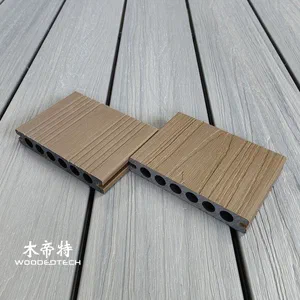 GD13823-3 Teak TK Co Extruded Decking Is a Popular Choice from Composite Decking Suppliers for Outdoor Flooring Projects
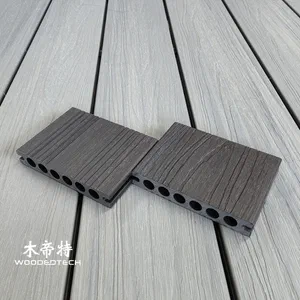 GD13823-3 Walnut WN Co Extruded Decking Features a Dark Rich Color That Helps Resist Visible Dirt and Stains
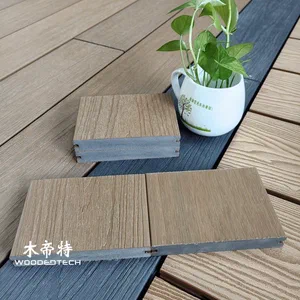 The GD14020S Composite Decking on Sale Features a Solid Core Structure Designed to Withstand Extreme Outdoor Temperature Changes and Freezing Conditions