
Enhancing Industrial Designs with Durable Plastic Wood Texture Solutions: 2023 Insights
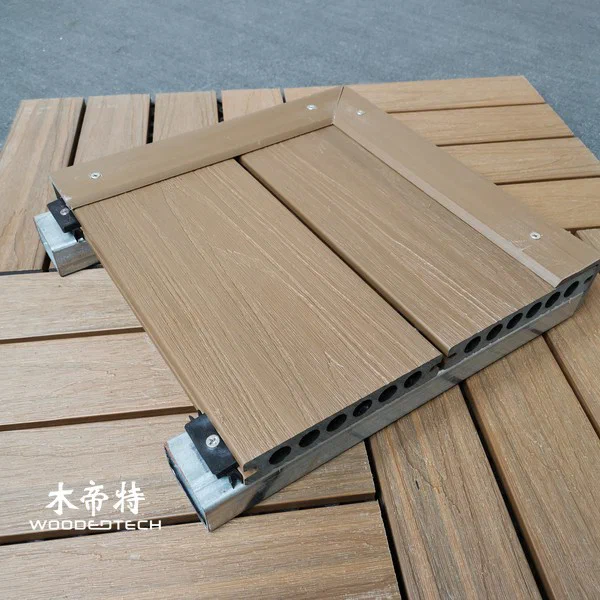
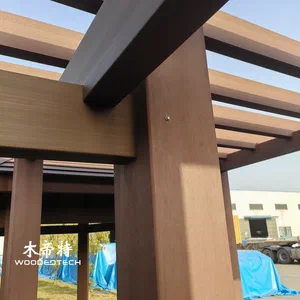
Designing high-performance wood plastic composites (WPCs) for outdoor applications like decking, wall cladding, fencing, pergolas, and landscape products involves careful consideration of various factors. The key is to achieve the right balance between wood fiber content, plastic ratio, additives, cost control, and product lifespan.
Wood Fiber Content and Plastic Ratio
The choice of wood fiber content is crucial in determining the mechanical properties and durability of WPCs. Higher wood content generally enhances aesthetics and provides a more natural appearance, but it may compromise the material’s strength and moisture resistance. For outdoor products, a typical range is between 30% to 60% wood fiber. The plastic component, usually polyethylene or polypropylene, plays a vital role in providing water resistance and flexibility.
A balanced plastic ratio ensures that the composite maintains its structural integrity while benefiting from the natural look and feel of wood. For instance, a formulation with 50% wood fiber and 50% plastic can yield an optimal combination of strength and weather resistance, making it suitable for decking and cladding applications.
Additives for Performance Enhancement

Additives are essential in tailoring the performance characteristics of WPCs. Common additives include UV stabilizers, anti-fungal agents, and colorants.
- UV stabilizers help to prevent fading and degradation caused by sunlight.
- Anti-fungal agents protect against mold and mildew, crucial for outdoor applications.
- Colorants can enhance aesthetic appeal, offering a variety of shades to suit different design preferences.
Incorporating these additives can significantly extend the product lifespan, ensuring that outdoor WPCs maintain their appearance and functionality over time.
Cost Control Strategies
While designing high-performance WPCs, keeping an eye on costs is essential. The choice of materials greatly influences overall production costs. Utilizing recycled wood fibers and plastics not only reduces expenses but also promotes sustainability. Moreover, optimizing the manufacturing process can lead to cost savings. Techniques like co-extrusion allow for the creation of WPCs with a protective outer layer, enhancing durability without adding significant costs.
Cost control does not mean sacrificing quality. By conducting thorough market research and selecting the right suppliers, manufacturers can strike a balance between quality and affordability.
Product Lifespan Considerations
The longevity of outdoor WPC products is paramount for both manufacturers and consumers. Factors influencing lifespan include:
- Environmental exposure: Products must withstand varying weather conditions, including rain, sun, and temperature fluctuations.
- Maintenance requirements: Low-maintenance solutions are preferred. WPCs that require minimal upkeep tend to be more appealing in the market.
- Performance characteristics: Ensuring that the composite can resist warping, splintering, and fading is critical for longevity.
By focusing on these aspects during the formulation development process, manufacturers can produce WPCs that not only meet but exceed market expectations for durability and performance.
Conclusion
The design of high-performance outdoor wood plastic composites is a multifaceted process. By balancing wood fiber content, plastic ratios, and additives while maintaining cost control, manufacturers can create durable and aesthetically pleasing products suitable for a variety of applications. As industry demands evolve, continuous innovation and adaptation will be key to staying competitive in the WPC market.
Related Articles
Related Products
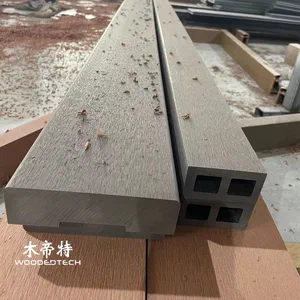
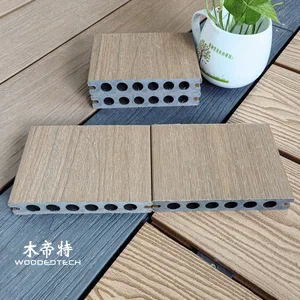 GD13823 Double Sided Flat Surface Co Extruded WPC Decking Features a Popular Width and Thickness with Round Hollow Structure
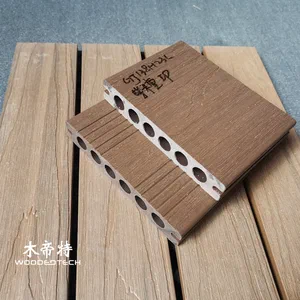 GD13823-3 Composite Boards for Decking Are Available in Multiple Stock Colors with 3 Meter Lengths and Single Piece Delivery
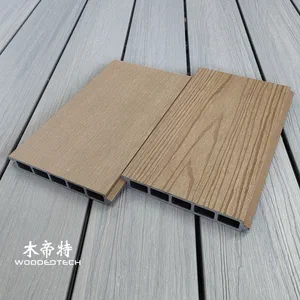 3DGL18024 WPC Longboard Fence Features Premium Co Extruded 3D Embossed Teak Wood Grain Texture with Realistic Natural Wood Fibers