
Enhancing Communication in the Workplace: The Benefits of WPC Letter Boards for Businesses
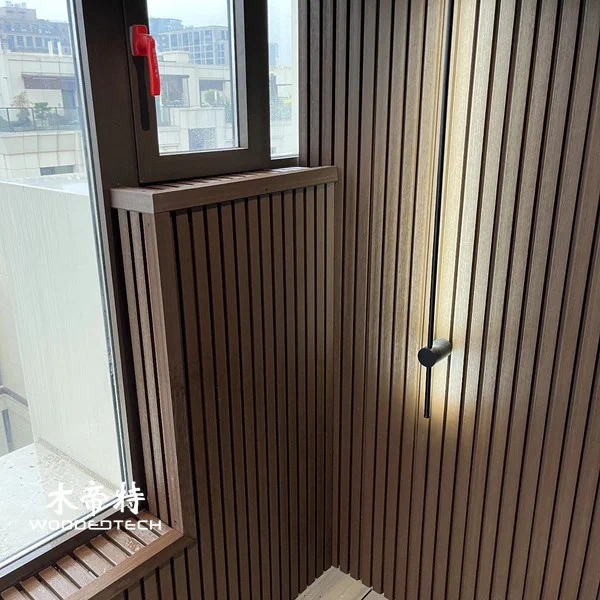
Architects and landscape designers increasingly turn to wood plastic composite (WPC) materials to enhance outdoor environments. WPC products offer the durability and low maintenance that modern designs require, allowing professionals to create spaces that are not only functional but also aesthetically pleasing. This article discusses how these materials are utilized in the landscape design process, along with key considerations for project success.
Advantages of WPC in Landscape Design
WPC materials combine the strength of wood with the resilience of plastic, making them an ideal choice for outdoor applications. They resist rot, warping, and insect damage, which are common issues in traditional wood products. Additionally, WPC is designed to withstand various weather conditions, ensuring longevity and reduced replacement costs.
- Low maintenance: WPC requires minimal upkeep compared to wood, as it does not need to be stained or sealed regularly.
- Eco-friendly: Many WPC products are made from recycled materials, contributing to sustainable design practices.
- Versatile design: WPC is available in various colors and textures, allowing for creative expression in outdoor spaces.
Project Considerations
When integrating WPC into landscape designs, several factors should be taken into account. Understanding the specific needs of the project is essential for selecting the right materials and ensuring optimal performance.

- Climate and Environment: Consider the local climate conditions. WPC can handle moisture and temperature changes better than traditional wood, but regional factors may influence specific product choices.
- Usage and Traffic: Evaluate the expected foot traffic and usage of the area. High-traffic zones may require thicker or more durable WPC options to prevent wear and tear.
- Aesthetic Goals: The appearance of the WPC should align with the overall design vision. Many products mimic the look of natural wood while providing the advantages of composite materials.
Material Selection Advice
Selecting the right WPC products involves a balance of functionality, aesthetics, and cost. Here are key points to keep in mind when choosing WPC for outdoor projects:
- Quality Levels: Different brands and products offer varying levels of quality. Look for options that specify durability ratings and warranty details.
- Finish Options: Consider whether a textured or smooth finish is more appropriate for the project’s design. Textured surfaces can enhance slip resistance, which is crucial for safety in wet conditions.
- Color and Style: Choose colors that complement the surrounding landscape and architecture. Many WPC products come in various shades, allowing for cohesive design integration.
Implementation Techniques
Proper installation of WPC materials is crucial to maximize their benefits. Engaging experienced contractors familiar with WPC can ensure that the materials are installed correctly to maintain structural integrity and appearance.
- Installation Guidelines: Follow manufacturer recommendations for spacing and fastening to prevent issues such as warping or moisture retention. Proper ventilation and drainage are also important.
- Cleaning and Maintenance: While WPC is low maintenance, occasional cleaning is necessary to preserve its appearance. Use mild detergents and avoid harsh chemicals that could damage the surface.
Incorporating WPC materials into landscape design not only enhances the longevity of outdoor spaces but also aligns with contemporary trends in sustainability and aesthetics. By carefully considering project requirements and selecting appropriate materials, architects and landscape designers can create beautiful, functional environments that withstand the test of time.
Related Articles
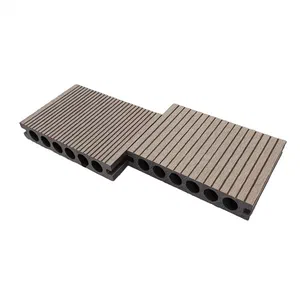 The Benefits of Composite Wood Decking for Industrial Applications in 2023
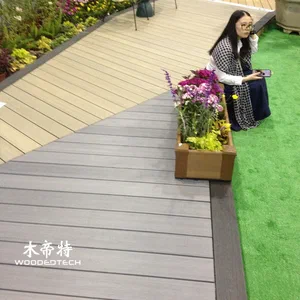 Enhancing Safety in Industrial Spaces: The Benefits of WPC Treppenstufen Rutschfest
 Innovative Applications of WPC Wood Flooring in Industrial Settings: 2023 Insights
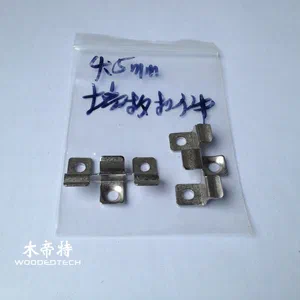 Best Practices for Wood Plastic Composite Installation: A Guide for Industry Professionals
Related Products
 GD13823-3 Composite Boards for Decking Are Available in Multiple Stock Colors with 3 Meter Lengths and Single Piece Delivery
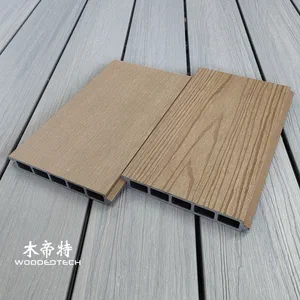 3DGL18024 WPC Longboard Fence Features Premium Co Extruded 3D Embossed Teak Wood Grain Texture with Realistic Natural Wood Fibers
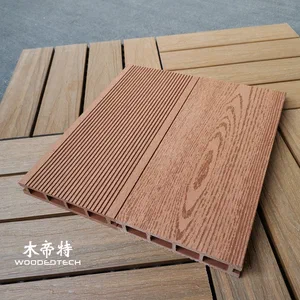 The Classic D14025-4 Red Wood WPC Wood Sheet Features a Timeless 2D Flat Wood Grain Design That Remains Popular After Twenty Years