
Enhancing Commercial Spaces with Composite Deck Trim Boards: A 2023 Guide

Composite decking and related outdoor products have seen significant evolution, driven by modern design trends that enhance both aesthetics and functionality. These innovations are pivotal for commercial spaces looking to make a lasting impression while providing durability and ease of maintenance.
Color and Texture Innovations
One of the most notable trends in composite decking and wall panels is the variety of colors and textures available. Manufacturers now offer an extensive palette, from rich, natural wood tones to bold, contemporary shades. This allows designers to create custom looks that complement their brand and environment. Textured finishes, such as embossed or brushed surfaces, not only provide visual interest but also enhance slip resistance, making them ideal for high-traffic areas.
Profiles and Modular Designs

The evolution of profiles in composite materials has led to modular designs that can be easily customized and installed. These profiles allow for creative layouts, enabling designers to craft unique outdoor spaces tailored to specific needs. For instance, interlocking tiles and snap-together systems simplify installation and maintenance, which is particularly beneficial for commercial applications where time and budget constraints are a consideration.
Sustainable Materials
Sustainability is a key focus in modern design trends. Many composite decking products are made from recycled materials, contributing to eco-friendly initiatives. This not only appeals to environmentally conscious consumers but also enhances the overall marketability of commercial spaces. Using sustainable materials can significantly reduce the ecological footprint of a project while still providing high-quality, attractive outdoor solutions.
Enhanced Durability and Low Maintenance
Durability is critical for outdoor products, especially in commercial settings where they are exposed to the elements. Modern composite materials are engineered to withstand harsh weather conditions, resist fading, and require minimal upkeep. This is achieved through advanced manufacturing techniques like co-extrusion, which creates a protective layer around the core material. This durability means reduced costs over time, making composite options an attractive choice for businesses.
Versatile Applications
The versatility of composite materials extends beyond decking to include fences, pergolas, gazebos, and landscape products. Each of these elements can be designed to match or complement the decking, creating a cohesive outdoor environment. For example, a sleek composite pergola can provide shade while enhancing the overall aesthetic of a commercial space. Similarly, composite fencing can offer privacy without compromising on style, making it suitable for various applications, from restaurants to retail environments.
Conclusion
Incorporating modern design trends in composite decking and outdoor products can significantly enhance commercial spaces. By focusing on color, texture, profile innovation, sustainability, and durability, designers can create inviting, functional, and aesthetically pleasing environments. These advancements not only improve outdoor spaces but also provide long-term value and satisfaction for businesses and their customers.
Related Articles
 Composite Deck Plans Help Create Functional And Beautiful Outdoor Living Spaces
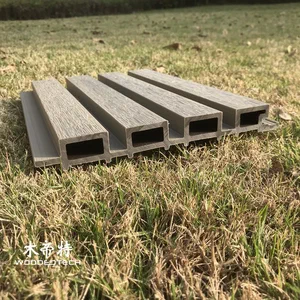 The Future of Outdoor Spaces: Exploring Innovative Composite Decking Materials for 2024
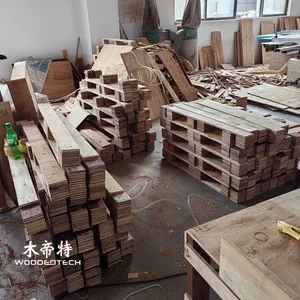 Innovative Deck Ideas with Composite Decking: Transforming Outdoor Spaces in 2023
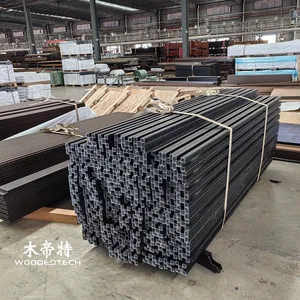 Innovative Composite Deck Patio Ideas for Modern Industrial Spaces in 2023
Related Products
 GD13820 M Shape Co Extruded Composite Deck Planks Feature a Special Profile Design for Distinctive Outdoor Decking Applications
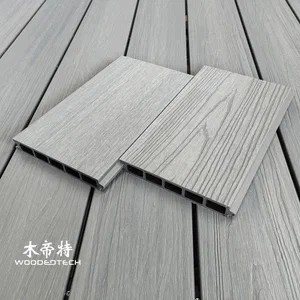 3DGL18024 Composite Decking Fence Features Premium Co Extruded 3D Embossed Antique Wood Grain Texture with Realistic Natural Wood Fibers
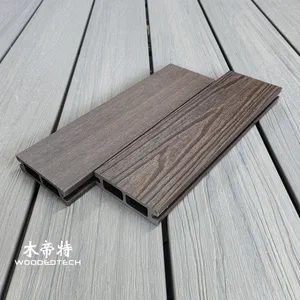 3DGL9024 Composite Decks and Railings Feature Premium Co Extruded 3D Embossed Rosewood Grain Texture with Realistic Natural Wood Fibers