
Enhancing Architectural Aesthetics: Composite Cladding Around Windows in 2023
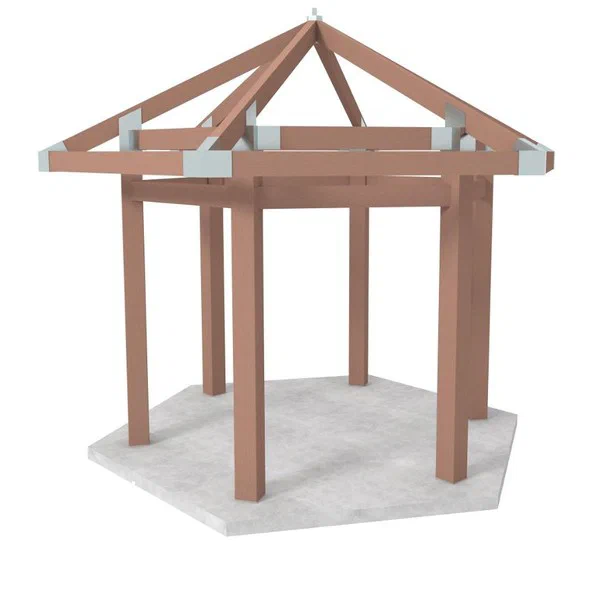
The integration of composite cladding around windows is becoming a key feature in modern architecture, enhancing both aesthetic appeal and functionality. As we dive into the design trends for 2023, we observe how colors, textures, profiles, and modular designs of composite materials elevate outdoor spaces, creating a seamless transition between indoor and outdoor environments.
Color Trends
This year, a shift towards natural hues is evident. Earthy tones such as soft browns, deep greens, and muted grays are popular, reflecting a desire for harmony with nature. These colors allow composite cladding to blend effortlessly with the surrounding landscape, providing a warm and inviting look. Additionally, bold accents in colors like navy or burnt orange are being used to create focal points, drawing attention to architectural features and highlighting window frames.
Textural Variety
Texture plays a crucial role in modern composite cladding design. 3D embossed finishes are gaining traction, offering a tactile quality that enhances visual interest. These textures mimic natural materials, such as wood or stone, while maintaining the durability and low maintenance associated with composites. The incorporation of varied textures creates depth and dimension, inviting touch and enhancing the overall aesthetic of a building.
Innovative Profiles
The profiles of composite cladding are evolving to meet both aesthetic and functional demands. Slim, sleek profiles are being favored for their contemporary look, while wider, more robust options provide a sense of strength and stability. Custom profiles allow for creative design solutions, enabling architects to create unique window surrounds that stand out. These profiles also facilitate better water drainage and ventilation, contributing to the longevity of the installation.
Modular Designs
Modular design is revolutionizing the application of composite cladding around windows. Pre-fabricated panels and interlocking systems streamline the installation process, reducing labor costs and time on-site. This approach not only simplifies construction but also allows for more precise alignment and a polished finish. The versatility of modular designs means they can be adapted to various architectural styles, from traditional to ultra-modern, making them a practical choice for diverse projects.
Enhancing Outdoor Spaces
Composite cladding around windows significantly enhances outdoor spaces by creating a cohesive look that extends the living area. This integration encourages outdoor living, as the boundaries between indoor and outdoor environments blur. By using the same materials for decking, fencing, and other outdoor elements, homeowners can achieve a unified design that is both functional and visually appealing. The durability of composite materials also ensures that these elements withstand the elements, maintaining their beauty over time.

Sustainability Considerations
As sustainability continues to be a priority for designers and homeowners alike, composite materials are increasingly recognized for their eco-friendly attributes. Many composites are made from recycled materials and are fully recyclable themselves. This aligns with the growing trend of environmentally responsible design, allowing architects to create beautiful, sustainable buildings without compromising on style or performance.
The modern trends in composite cladding around windows reflect a broader shift towards thoughtful, sustainable, and aesthetically pleasing design. By focusing on color, texture, profile, and modularity, designers can create outdoor spaces that not only enhance architectural aesthetics but also enrich the overall living experience.
Related Articles
 wood wall panel plastic combines decorative wood effects with moisture resistant outdoor performance
 Discover the Leading WPC Wall Panels Factory: Quality Solutions for Your Business Needs
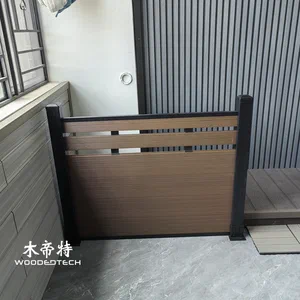 Innovative Applications of Plastic Wood Wall Panels in Modern Industrial Design
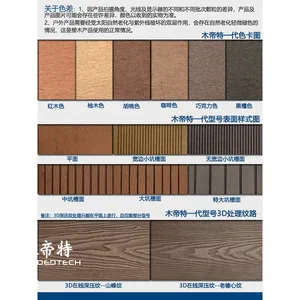 Enhancing Outdoor Spaces: The Benefits of Composite Cladding in 2023
Related Products
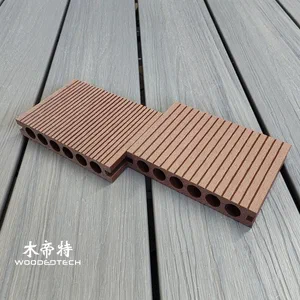 D14025-5 First Generation Large And Small Groove Redwood Color WPC Panel Material With Popular Outdoor Appearance
 B14011 WPC Paneling Sheets Feature Double Flat Surfaces with Heat Pressed Wood Grain Designs for Outdoor Styles
 Q17618wpc wall panels exterior with G3 wood grain surface are popular outdoor WPC wall panels for modern exterior decoration