
Effective Solutions for Composite Deck Hole Filler: Enhance Durability in 2023
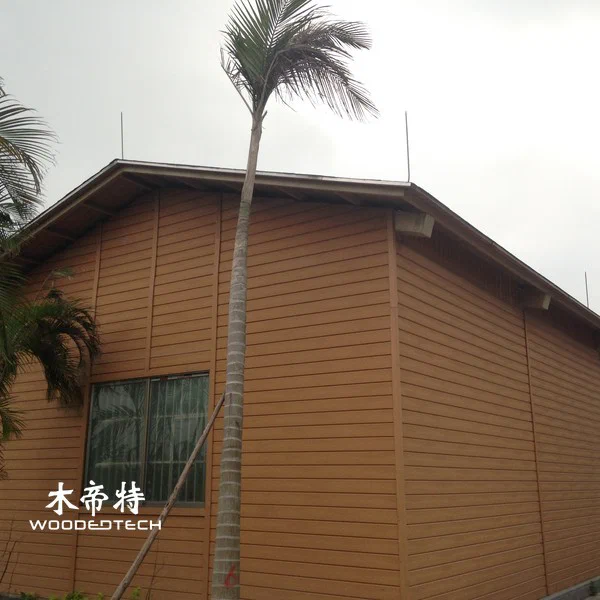
The composition of wood plastic composite (WPC) products plays a vital role in determining their durability, weather resistance, and overall performance. Key ingredients such as wood powder, HDPE or PVC polymers, additives, pigments, and modifiers must be carefully selected and controlled to ensure high-quality outdoor WPC products. This article explores how these components impact the quality of WPC products and outlines effective factory inspection methods and quality standards.
Key Components and Their Effects
Wood powder serves as the primary filler in WPC, providing structural integrity and contributing to the material’s aesthetic appeal. The type, size, and quality of the wood powder significantly influence the final product’s strength and rigidity. Higher-quality wood powder, with a consistent particle size, enhances the bonding with polymers, leading to improved mechanical properties.
HDPE (High-Density Polyethylene) and PVC (Polyvinyl Chloride) act as the matrix materials that bind the wood powder. HDPE is known for its excellent impact resistance and outdoor durability, making it suitable for applications like decking and fencing. PVC, while offering better weather resistance, can sometimes be less durable under mechanical stress. The choice between these polymers should align with the intended use of the WPC product.
Additives such as UV stabilizers and anti-fungal agents are crucial for enhancing the longevity of WPC products. UV stabilizers protect against sun damage and color fading, while anti-fungal agents prevent mold and mildew growth, ensuring that the products maintain their appearance over time. The proper formulation of these additives can make a significant difference in the product’s lifespan.
Pigments are essential for achieving the desired color and aesthetics. However, it’s vital to use high-quality pigments that ensure colorfastness and resistance to fading under ultraviolet light. Low-quality pigments can lead to uneven coloration and rapid degradation of the product’s visual appeal.
Modifiers, including coupling agents and impact modifiers, can enhance the compatibility between the wood and the polymer matrix. These substances improve the adhesion and performance of the composite, allowing for greater flexibility and impact resistance.

Factory Inspection Methods
Implementing rigorous inspection methods during the manufacturing process is essential to maintain product quality. Here are effective practices that can be adopted:
Raw Material Testing: Conduct thorough quality checks on incoming wood powder and polymers. Use techniques such as particle size analysis for wood powder and melt flow index tests for polymers to ensure they meet specified standards.
Additive Verification: Ensure that all additives and pigments are tested for their efficacy and compatibility with the base materials. This can involve assessing their performance under accelerated aging conditions to predict long-term behavior.
Mechanical Testing: Perform mechanical tests on the final WPC products, including tensile strength, flexural strength, and impact resistance. These tests help verify that the composite meets performance specifications for outdoor applications.
Weathering Tests: Subject samples to accelerated weathering tests, simulating prolonged exposure to UV light, moisture, and temperature fluctuations. This helps predict how well the product will perform in real-world conditions.
Quality Standards
Establishing quality standards is crucial for ensuring the reliability of outdoor WPC products. Adherence to international standards, such as ASTM and ISO, provides a framework for evaluating performance. Key performance indicators include:
- Durability: Products should withstand mechanical stress and environmental conditions without significant degradation.
- Weather Resistance: Resistance to moisture, UV light, and temperature variations should be quantified to ensure longevity.
- Aesthetic Quality: Consistent color and texture should be maintained to meet customer expectations.
Regular audits and reviews of production processes can help identify areas for improvement and ensure compliance with established standards.
The careful selection and quality control of wood powder, polymers, additives, pigments, and modifiers greatly influence the durability and performance of outdoor WPC products. By implementing thorough inspection methods and adhering to stringent quality standards, manufacturers can produce superior WPC solutions that meet the demands of modern outdoor applications.
Related Articles

Related Products
 GD13820 M Shape Co Extruded Composite Deck Planks Feature a Special Profile Design for Distinctive Outdoor Decking Applications
 GD13823 Double Sided Flat Surface Co Extruded WPC Decking Features a Popular Width and Thickness with Round Hollow Structure
 GD13823-3 Composite Boards for Decking Are Available in Multiple Stock Colors with 3 Meter Lengths and Single Piece Delivery