
Effective Composite Deck Power Wash Techniques for Industrial Applications in 2023
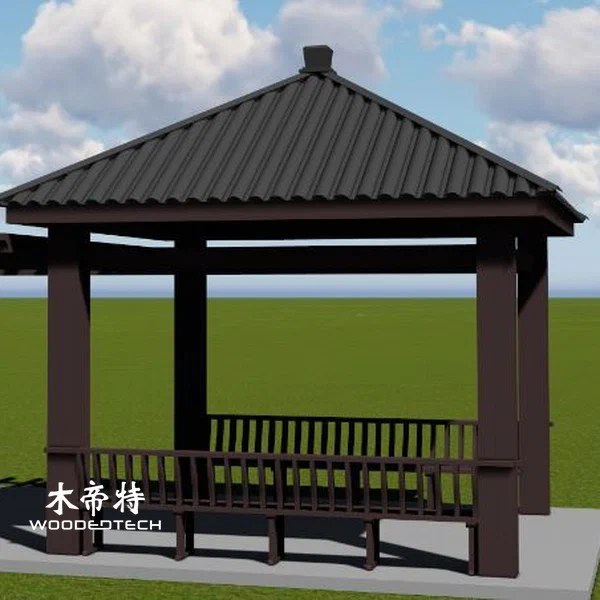
The outdoor WPC (Wood Plastic Composite) extrusion process involves several key steps that ensure high-quality composite materials suitable for various applications. This process includes material mixing, pelletizing, extrusion temperature control, mold design, cooling calibration, surface treatment, and addressing common production challenges.
Material Mixing

The first step in the WPC extrusion process is the mixing of wood fibers and plastic. Typically, a blend of recycled wood and high-density polyethylene (HDPE) or polypropylene is used. The proportions of wood to plastic can vary depending on the desired properties of the final product. Additives such as UV stabilizers, colorants, and antioxidants are also incorporated to enhance performance and aesthetics. The mixing is performed in a high-shear mixer to ensure a homogeneous blend, which is crucial for the consistency of the final product.
Pelletizing
Once the materials are mixed, they are fed into a pelletizing machine. This machine converts the mixture into small pellets that can be easily handled and fed into the extruder. The pelletizing process involves heating the mixture and forcing it through a die to create uniform pellets. Proper pellet size and density are important for achieving optimal flow during extrusion, influencing the overall quality of the finished product.
Extrusion Temperature Control
Temperature control during the extrusion process is vital for achieving the right material properties. The extruder consists of multiple zones, each with adjustable temperatures. The typical processing temperature for WPC ranges from 160°C to 220°C, depending on the type of plastic used and the specific formulation. Maintaining the correct temperature is essential to prevent thermal degradation of the materials, which can lead to discoloration and loss of mechanical properties.
Mold Design
The design of the mold significantly impacts the final product’s quality and performance. Molds are typically made from steel for durability and precision. Important considerations in mold design include the desired profile of the WPC product, cooling channels for efficient cooling, and features that minimize warping or distortion. The mold must also accommodate the expansion of the material as it heats, ensuring a perfect fit once cooled.
Cooling Calibration
After extrusion, the WPC product must be cooled to maintain its shape and structural integrity. This process often involves a water bath or air cooling system. Cooling calibration is crucial to avoid warping and ensure uniform thickness throughout the product. Adjustments may be needed based on the ambient temperature and humidity to achieve optimal cooling rates.
Surface Treatment
To enhance the appearance and performance of WPC products, surface treatments may be applied. These can include sanding, coating, or texturing processes. A common technique is to use a wood grain texture to mimic the look of natural wood, while coatings can improve UV resistance and reduce the likelihood of fading. Surface treatments not only enhance aesthetics but also contribute to the overall durability of the product.
Common Production Problems
Several issues can arise during the WPC extrusion process. These may include:
- Surface defects: Such as scratches or inconsistent textures, often caused by improper mold design or inadequate cooling.
- Material degradation: Occurring due to excessive heat or prolonged processing times, leading to weak or discolored products.
- Inconsistent pellet size: Which can affect flow rates and result in uneven extrusion.
- Warping: Often a result of uneven cooling or incorrect mold design, impacting the final product’s dimensional stability.
By addressing these challenges and optimizing each stage of the process, manufacturers can produce high-quality outdoor WPC products that meet market demands.
Related Articles
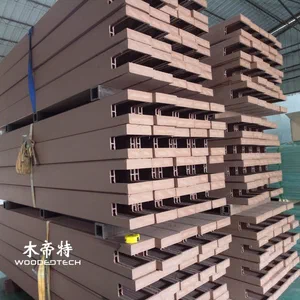 Manufacturing Techniques for Polymer Matrix Composites (PMCs): A Guide
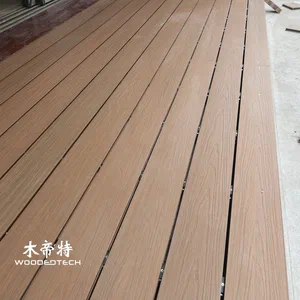 Elegant Plastic Wood Porch Ideas to Enhance Your Outdoor Living Space
 Key Considerations for Choosing Plastic Extrusion Profiles in 2023: A Comprehensive Guide
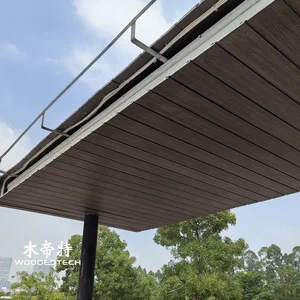 Best Practices for Installing Composite Decking on Stairs: A Comprehensive Guide for 2023
Related Products
 GD13820 M Shape Co Extruded Composite Deck Planks Feature a Special Profile Design for Distinctive Outdoor Decking Applications
 GD13823-3 Composite Boards for Decking Are Available in Multiple Stock Colors with 3 Meter Lengths and Single Piece Delivery
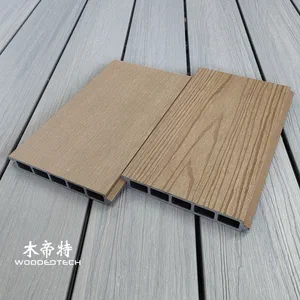 3DGL18024 WPC Longboard Fence Features Premium Co Extruded 3D Embossed Teak Wood Grain Texture with Realistic Natural Wood Fibers