
Eco WPC Fence Solutions: Sustainable Materials for Modern Industrial Applications
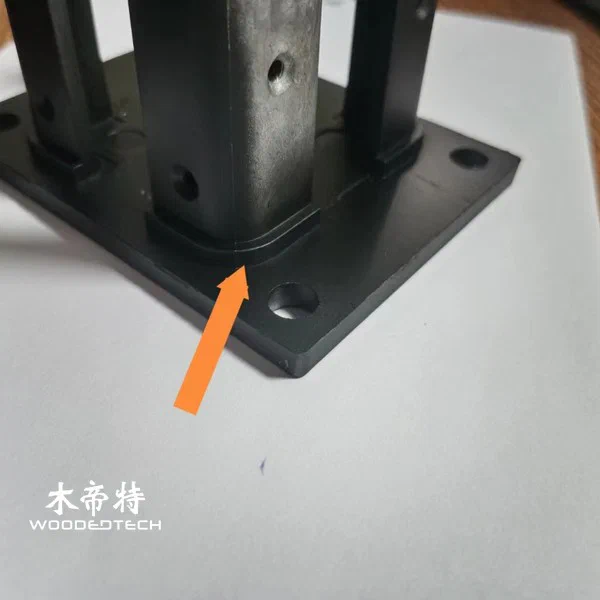
Outdoor WPC fencing offers a practical and environmentally responsible alternative to traditional wood and conventional plastic fencing. Made from a combination of wood fibers and recycled polymers, wood plastic composite (WPC) helps reduce waste, conserve natural timber resources, and deliver long-lasting performance in demanding outdoor environments. For modern industrial facilities, commercial properties, and large-scale infrastructure projects, eco WPC fence solutions combine sustainable material choices with durability and reduced maintenance requirements.
1. Recycled Materials Reduce Environmental Impact
One of the main environmental advantages of outdoor WPC fencing is its use of recycled raw materials. Many WPC products incorporate recycled plastics, such as polyethylene, together with recovered wood fibers from sawmills, woodworking operations, and other wood-processing activities.
By reusing these materials, manufacturers can reduce the volume of waste sent to landfills and create new building products from resources that might otherwise be discarded. This approach supports more efficient material use and helps reduce dependence on virgin plastic and newly harvested timber.
For industrial buyers managing large construction or renovation projects, choosing WPC fencing with verified recycled content can support corporate sustainability objectives. However, recycled content varies between manufacturers and product grades. Buyers should request material specifications and supporting documentation to understand the actual composition of the fencing they purchase.
2. Lower Wood Consumption Helps Protect Forest Resources
Traditional timber fencing relies on continuous supplies of natural wood. Large industrial sites, warehouses, logistics centers, and commercial developments may require extensive perimeter fencing, making timber consumption a significant consideration.
WPC fencing reduces the amount of natural wood needed by combining wood fibers with recycled polymers. Although wood remains part of the composite material, the manufacturing process uses it more efficiently than solid timber construction.
Reduced demand for virgin timber can help ease pressure on forest resources, particularly when manufacturers source wood fibers from responsibly managed or recovered materials. It also provides an alternative for projects seeking to balance natural aesthetics with responsible resource consumption.
Another advantage is design flexibility. WPC fence panels can reproduce the appearance of natural wood while offering consistent dimensions, colors, and surface finishes. This makes them suitable for industrial facilities that require a professional appearance without relying entirely on traditional timber products.

3. Long-Term Durability Supports Sustainable Construction
Environmental performance is not determined by raw materials alone. A product’s service life also matters because frequent replacement consumes additional materials, energy, transportation resources, and labor.
Outdoor WPC fencing is designed to withstand common environmental challenges, including moisture exposure, temperature changes, sunlight, and everyday outdoor wear. Unlike untreated timber, quality WPC products do not require routine preservative treatments to protect against moisture-related deterioration. They are also less susceptible to problems such as splintering and insect damage.
For industrial applications, these properties are particularly valuable. Factory boundaries, distribution centers, commercial compounds, and outdoor storage areas often require fencing that remains functional under continuous exposure to changing weather conditions.
UV-resistant formulations and protective co-extrusion layers can further improve resistance to fading, staining, and surface deterioration. The actual performance depends on the product formulation, manufacturing quality, installation method, and local climate. Selecting products tested for the intended application helps extend their useful service life and reduces unnecessary replacement.
4. Low Maintenance Means Fewer Resources Over Time
Traditional wood fencing often requires regular painting, staining, sealing, and protective treatments. These activities involve additional labor, water, coatings, and maintenance materials throughout the product’s lifetime.
WPC fencing generally requires much less routine attention. Most surfaces can be cleaned with water and mild detergent, depending on the manufacturer’s maintenance recommendations. There is typically no need for regular wood staining or preservative applications.
For industrial property owners, this translates into practical operational benefits. Large perimeter installations can be expensive to inspect and maintain, especially when fencing extends around factories, warehouses, business parks, or infrastructure facilities.
Reducing maintenance frequency can lower long-term operating costs while also limiting the consumption of paints, chemical treatments, and replacement components. This makes WPC fencing an attractive option for businesses seeking materials that support both operational efficiency and environmental responsibility.
5. Suitable for Modern Industrial and Commercial Applications
Eco WPC fence systems offer flexibility across a wide range of outdoor environments. Their wood-like appearance and contemporary finishes make them suitable for projects where appearance and practical performance are equally important.
Common applications include:
- Factory and manufacturing facility boundaries.
- Warehouse and logistics center perimeter fencing.
- Commercial property and business park enclosures.
- Industrial equipment screening and privacy barriers.
- Outdoor storage areas and utility facilities.
- Landscape boundaries in commercial developments.
WPC fence panels can also be combined with aluminum posts and structural framing to create modern fencing systems. This combination offers additional structural support and design flexibility, particularly for large installations requiring consistent panel alignment.
For international construction projects, buyers should consider panel dimensions, structural requirements, wind resistance, UV exposure, fire performance, and applicable local building standards before selecting a system.
6. Choosing WPC Fencing for Long-Term Sustainability
Not all WPC fencing products offer the same environmental benefits. Material composition, recycled content, manufacturing processes, expected service life, and end-of-life options all influence the overall sustainability profile.
Industrial buyers should evaluate suppliers based on transparent material specifications, quality-control procedures, relevant product testing, and documented environmental claims. It is also worth checking whether manufacturers offer recyclable production waste management and take-back programs.
WPC is not automatically biodegradable, and the combination of wood fibers and polymers can make end-of-life recycling more complicated than recycling either material separately. Responsible sourcing and appropriate disposal arrangements should therefore form part of the purchasing decision.
For modern industrial developments, eco WPC fence solutions provide a balanced approach to material efficiency, reduced timber consumption, durability, and lower maintenance demands. By selecting well-engineered products with verified recycled content and reliable performance, businesses can invest in outdoor fencing that supports practical site requirements while contributing to more responsible construction practices.
Related Articles
 WPC Cladding Wall Solutions Provide Decorative and Protective Exterior Building Surfaces
 Recycled Plastic Wood Decking Offers an Eco Friendly Choice for Sustainable Outdoor Flooring Projects
 composite shed cladding provides attractive protection and improved appearance for outdoor storage buildings
 wpc cladding meaning explains the features and applications of wood plastic composite exterior wall systems
Related Products
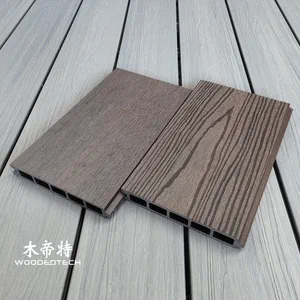 3DGL18024 Composite Fence Panels Feature Premium Co Extruded 3D Embossed Rosewood Grain Texture with Realistic Natural Wood Fibers
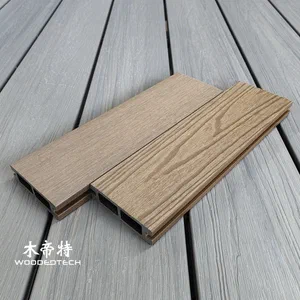 3DGL9024 Composite Fence Features Premium Co Extruded 3D Embossed Teak Wood Grain Texture with Realistic Natural Wood Fibers
 B1409.5 Siding WPC Exterior Boards Provide Waterproof Insect Resistant and Durable Outdoor Wall Solutions