
Eco-Friendly Recycled Plastic Wood for Sustainable Outdoor Engineering
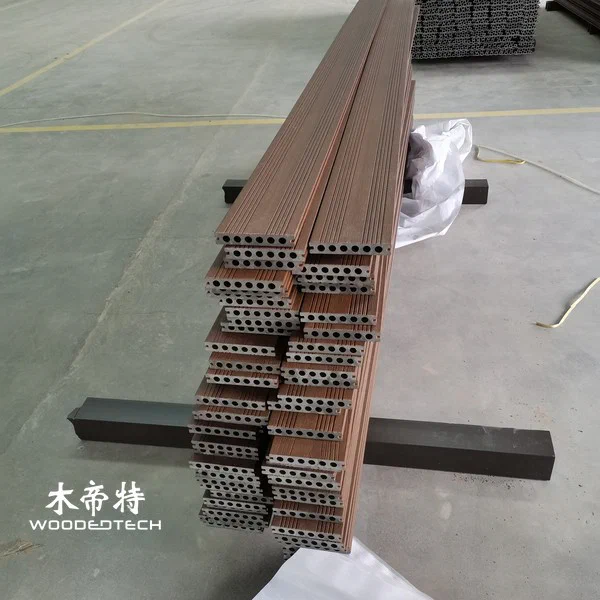
Recycled plastic wood is a practical material choice for sustainable outdoor engineering, combining the look of timber with stronger weather resistance and lower maintenance. For B2B buyers, it supports long service life in decks, walkways, fencing, and exterior structures while helping reduce waste and reliance on virgin wood.
Why recycled plastic wood fits outdoor projects
Made from recycled plastic wood and wood fiber composites, this material is engineered for demanding outdoor use. It resists moisture, rot, insect damage, and frequent cleaning cycles better than traditional timber, which makes it attractive for municipal works, commercial landscapes, resorts, and infrastructure projects where durability and predictable upkeep matter.
It also helps procurement teams meet sustainability targets. By using recycled content and extending product life, recycled plastic wood supports circular material strategies without sacrificing appearance. Many project owners prefer it for applications where natural wood look is important but performance must remain stable across seasons.
Typical engineering applications

- boardwalks and pedestrian decks
- outdoor flooring and terrace systems
- fencing and privacy screens
- cladding for service buildings and site enclosures
- benches, planters, and site furniture
For engineering teams, the key advantage is design flexibility. Profiles can be specified for load-bearing needs, slip resistance, hidden fastening, and consistent color matching across large sites. That makes it easier to standardize materials across multiple project phases or locations.
Procurement and performance considerations
When sourcing recycled plastic wood, buyers should check density, dimensional stability, UV resistance, and installation compatibility. In industrial projects, the right fastening system and substructure are just as important as the board itself. Reputable suppliers can also provide customization for color, surface texture, and profile size to meet project specs.
Compared with traditional timber, the material often lowers lifecycle cost because it needs less sealing, repainting, and replacement. For public and commercial outdoor works, that can translate into fewer shutdowns, less maintenance labor, and more reliable asset performance over time.
Choosing the right supplier
A strong supplier should offer consistent batch quality, technical data sheets, and proven export experience. For buyers handling large orders, OEM support, stable lead times, and factory-direct pricing can make a major difference, especially when the material is part of a broader sustainability or branding program.
FAQ
Q: What is recycled plastic wood used for in outdoor engineering? A: It is commonly used for decking, fencing, cladding, walkways, and outdoor furniture. It is selected for durability and lower maintenance in exposed environments.
Q: Is recycled plastic wood better than natural timber for outdoor projects? A: In many commercial applications, yes. It typically offers better moisture resistance, longer service life, and more stable appearance with less upkeep.
Q: Can recycled plastic wood be customized for project requirements? A: Yes. Many suppliers can adjust color, surface finish, dimensions, and profiles to match engineering and design specifications.
Related Articles

Related Products
 B1409.5 Siding WPC Exterior Boards Provide Waterproof Insect Resistant and Durable Outdoor Wall Solutions
 F4030 wpc exterior solid decorative square strips provide versatile outdoor decoration and landscaping solutions
 D14025-3 cheapest composite decking with classic redwood color provides reliable outdoor flooring performance proven over time